
Sushi in Korea: The Ultimate Guide to Korean Sushi Sets
Table of Contents
16 items
When You Need a Break from Korean Food While Traveling
When you're traveling in Korea, there comes a point — usually a few days in — where the meals start to blur together. Kimchi stew, grilled pork belly, bibimbap, tteokbokki. They're all delicious, but after eating them back to back, you start craving something different.
That's when there's one surprisingly great option: Japanese food in Korea.
You might be thinking, "Why would I eat Japanese food in Korea?" But for Koreans, Japanese food is already part of everyday life. Ramen, tonkatsu, sushi, udon — you'll find these in practically every neighborhood. Korea and Japan are less than a two-hour flight apart, so food culture has naturally flowed between the two countries for a long time. As a result, the quality of Japanese food in Korea is genuinely impressive.
Today, I want to talk specifically about sushi. I went with a friend to a Korean sushi set restaurant, and here's everything we experienced.
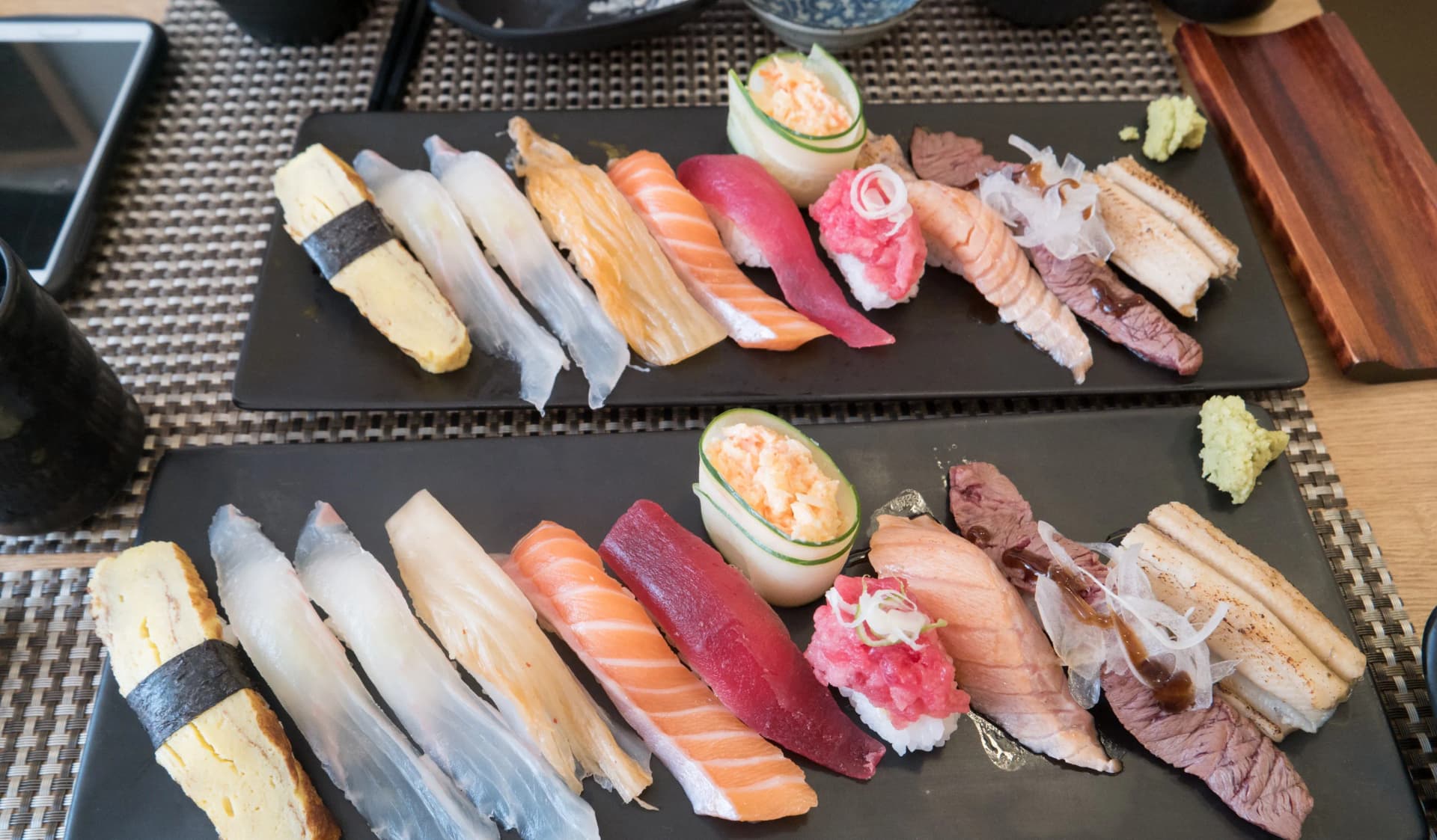
This is what came out at a Korean sushi set restaurant. Salmon, tuna, flounder, eel, beef, tamago — all these different kinds of sushi lined up on a single plate. Korea has a strong culture of enjoying raw fish, similar to Japan, so the seafood freshness tends to be excellent. That's why there are so many places serving high-quality sushi here.
I've had sushi in Japan before, and of course it was fantastic — it's the birthplace of sushi, after all. But in terms of bang for your buck, Korea was more generous. To get the same variety and amount in Japan, the price would've been noticeably higher. The taste isn't 100% identical, but Korean sushi is surprisingly close to what you'd get in Japan.
And then there are the items you'd never find in Japan. Beef sushi and white kimchi sushi are uniquely Korean menu items, and the way they're naturally mixed in with the traditional stuff is part of what makes eating sushi in Korea so fun. I'll get into those in more detail later.
Types of Sushi Restaurants in Korea and What They Cost
Before picking a sushi spot in Korea, there are a few things worth knowing. Korean sushi restaurants generally fall into three categories, and each one has a completely different price range and vibe.
The first is omakase. It's a Japanese word meaning "I'll leave it to you," where the chef creates a course based on the day's freshest ingredients and serves each piece one by one. In Korea, omakase typically runs from about $50 to $150 or more per person. It's the kind of place you go for a special occasion or when you want a truly premium sushi experience.
The second is conveyor belt sushi. Plates of sushi travel around on a belt, and you grab whatever catches your eye. Prices vary by plate color, and you can usually eat until you're stuffed for about $10 to $18 per person.
The third is a sushi set restaurant. You order a set, and multiple types of sushi arrive together on one plate, along with side dishes like miso soup, salad, udon, tempura, and dessert served course-style. These typically run about $14 to $25 per person.
The place I went to today was this third type — a sushi set restaurant. It was about $18 per person, so $36 for the two of us. Honestly, that's not exactly cheap. Considering a typical meal in Korea costs about $7 to $11, it's definitely on the pricier side. For the same amount, you could hit up a sushi buffet and eat as much as you want. But once you see everything that comes with the set, you start to understand why it costs what it does.
Korea Sushi Restaurant Price Guide
🍣 Omakase
The chef curates a course and serves each piece one at a time. It's upscale, and many places require reservations. About $50–$150+ per person
🔄 Conveyor Belt Sushi
Grab whatever plates you want as they pass by on the belt. Each plate is priced by color. It's casual and budget-friendly. About $10–$18 per person
🍱 Sushi Set Restaurant
A variety of sushi arrives on one plate, along with miso soup, udon, tempura, and dessert served course-style. You get to try a wide range of flavors all in one sitting. About $14–$25 per person
What Comes Before the Sushi Even Arrives
When you sit down, the sushi doesn't come right away. The side dishes start arriving one by one first.
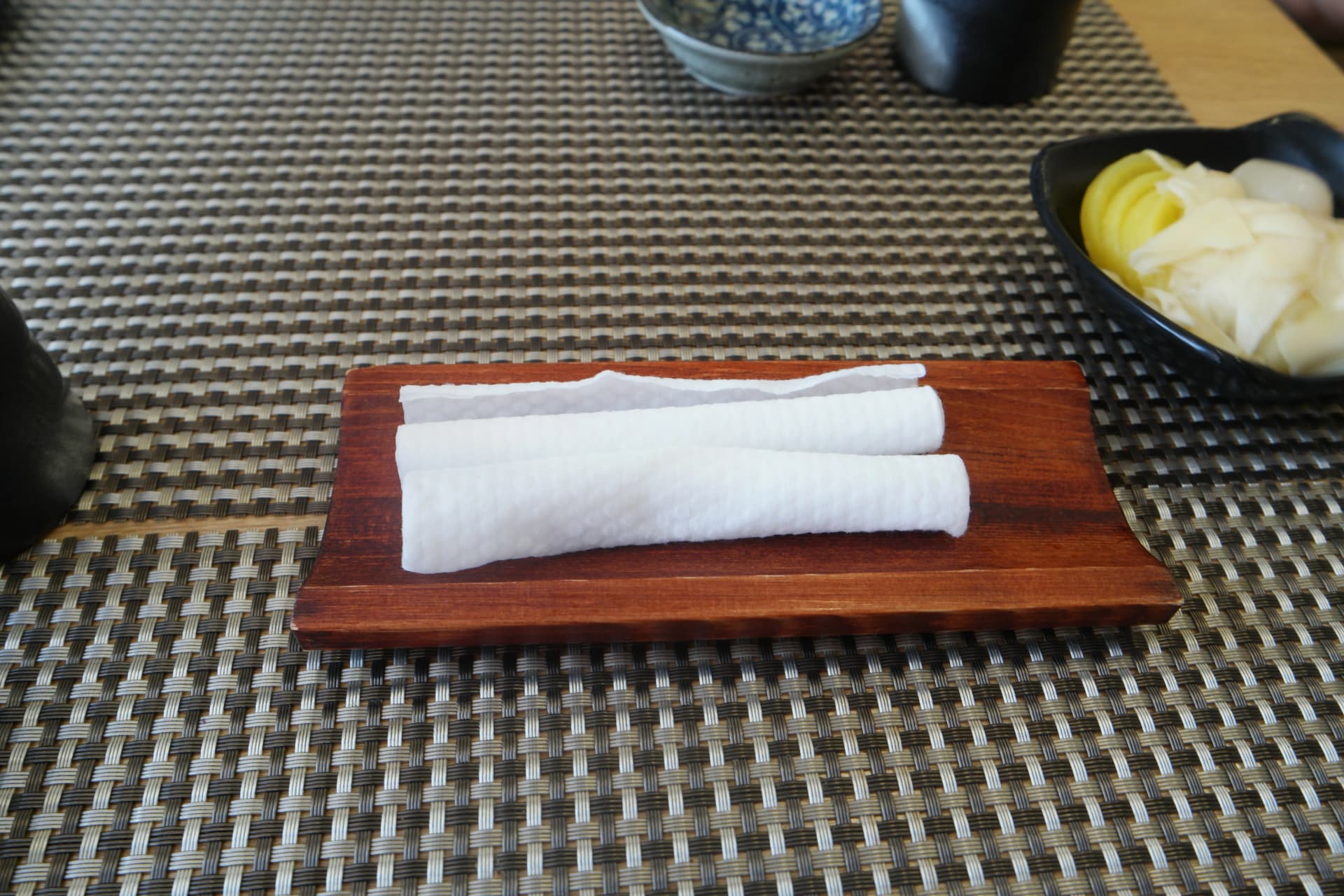
The very first thing you get is a warm hand towel. Sushi can be eaten with chopsticks, but it's also perfectly fine to eat it with your hands — that's why they give you a towel to clean up before the meal.
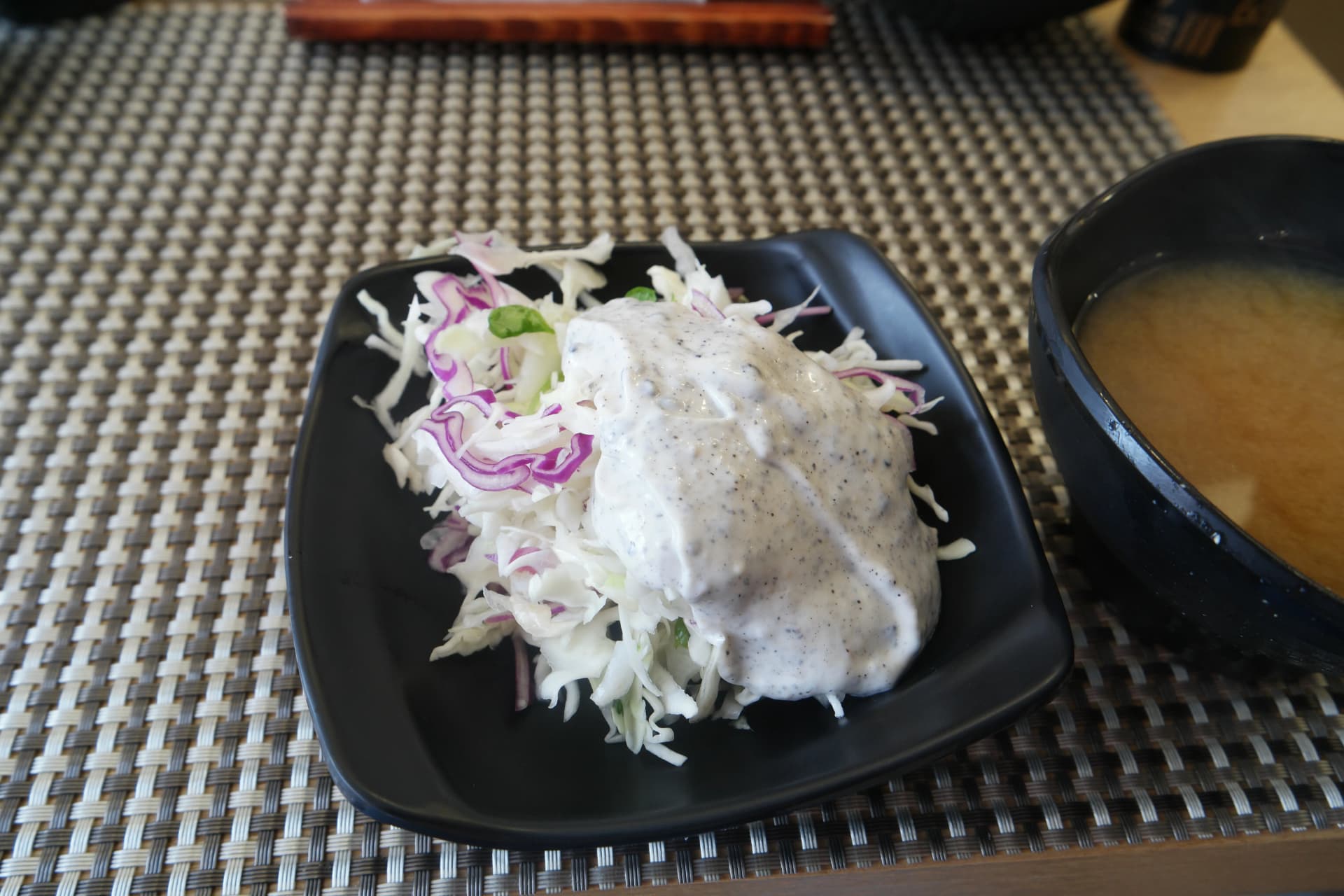
Next comes a cabbage salad. It's a simple dish with a creamy dressing on top, and it's basically there to lightly wake up your palate before the main event.
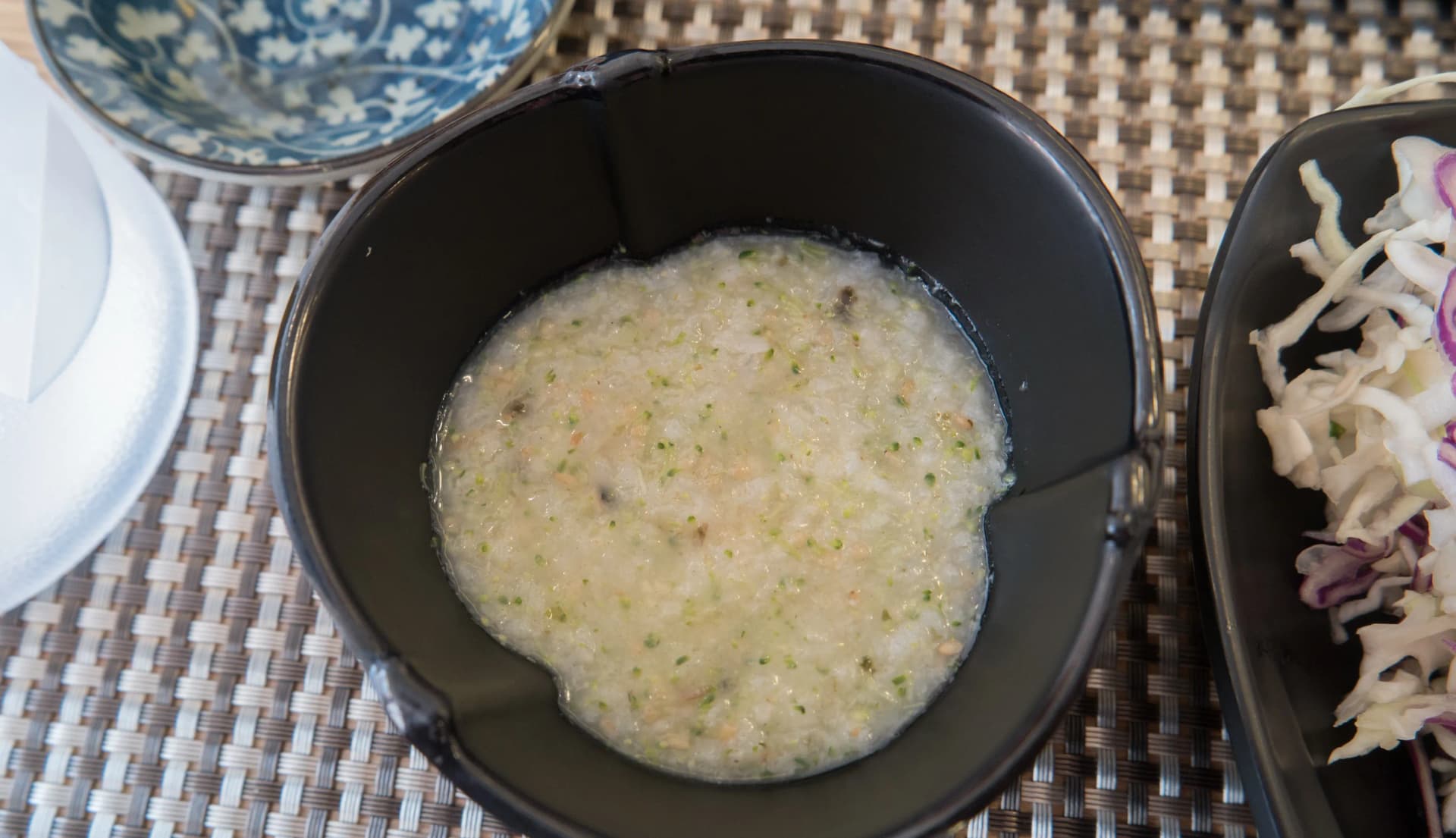
And then there's this — abalone porridge. It might sound odd to get porridge at a sushi restaurant, but quite a few Korean sushi set places serve it as a side dish. Since sushi is fundamentally a cold food, starting with a warm porridge helps settle your stomach first, making it easier to digest and actually helping you taste the fish better.
What is abalone porridge?
It's a Korean-style rice porridge made by finely chopping abalone, sautéing it in sesame oil, then slowly simmering it with rice. It has a subtle ocean aroma and a smooth, nutty flavor.
In Korea, it's traditionally known as a nourishing dish for when you're feeling sick or low on energy. At sushi restaurants, it serves to warm up your stomach before the cold raw fish arrives.
If you ordered abalone porridge on its own, it would typically cost about $7–$11, so getting it included in the sushi set is a pretty solid deal.
Korean Doenjang-guk vs Japanese Miso Soup
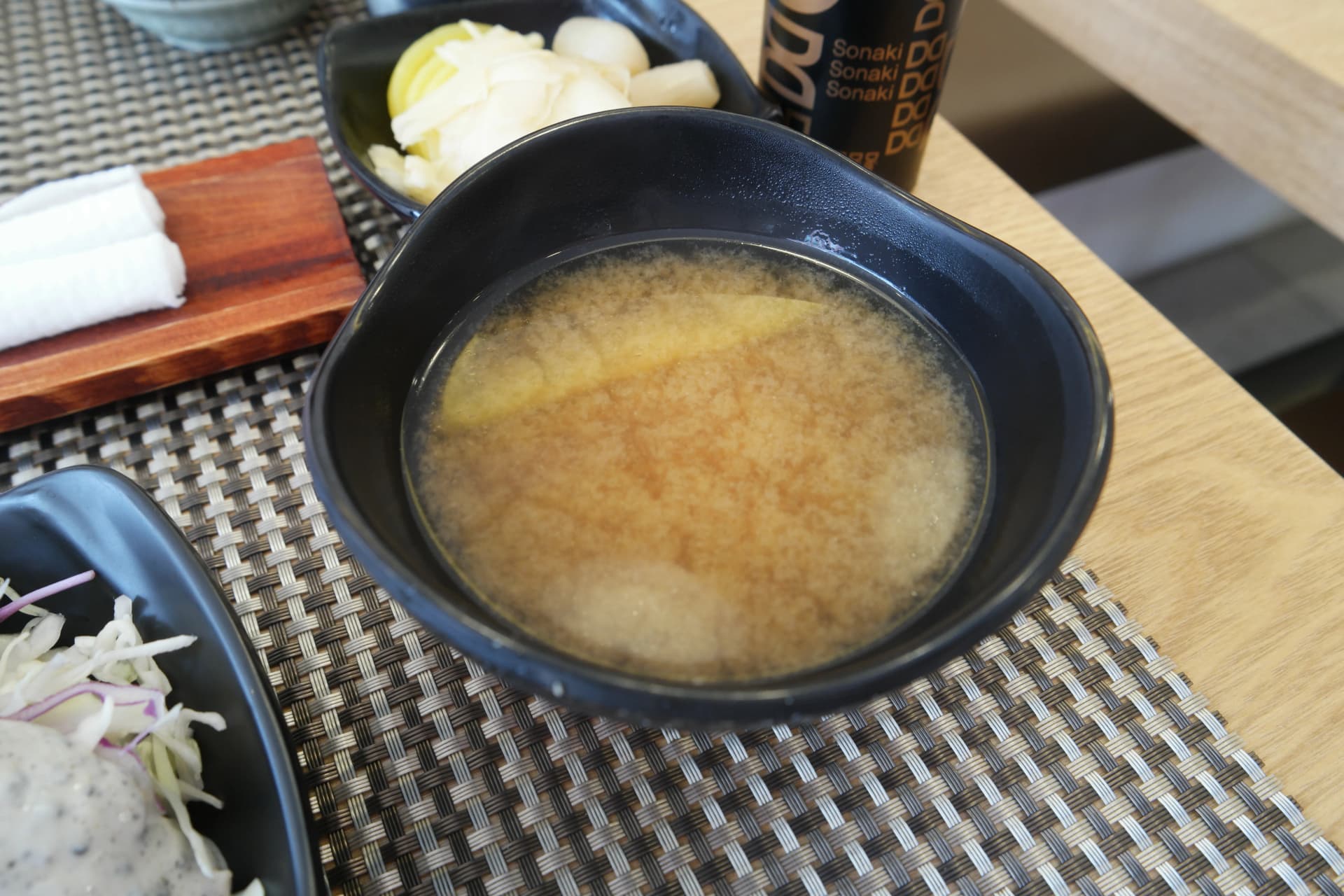
And this is miso soup — Japanese-style soybean paste soup. Korea has its own version called doenjang-guk, but even though they're both soybean-based soups, they taste quite different.
Korean Doenjang-guk vs Japanese Miso Soup — What's the Difference?
The names sound similar, but the flavors are quite different. The biggest difference comes from the paste itself.
🇰🇷 Korean Doenjang-guk
Uses doenjang, a fermented soybean paste. It's fermented for a long time, giving it a deep, bold flavor. It's loaded with chunky ingredients — tofu, zucchini, potato, green onions — and the longer it simmers, the richer it gets.
🇯🇵 Japanese Miso Soup
Uses miso, made by fermenting soybeans with rice koji. The fermentation period is shorter, so the flavor is milder and smoother. There's less stuff floating in it, and the ingredients are thinly sliced. Overcooking actually muddies the flavor, so the miso is stirred into warm broth and served right away.
The Full Table Setup Before the Sushi Arrives
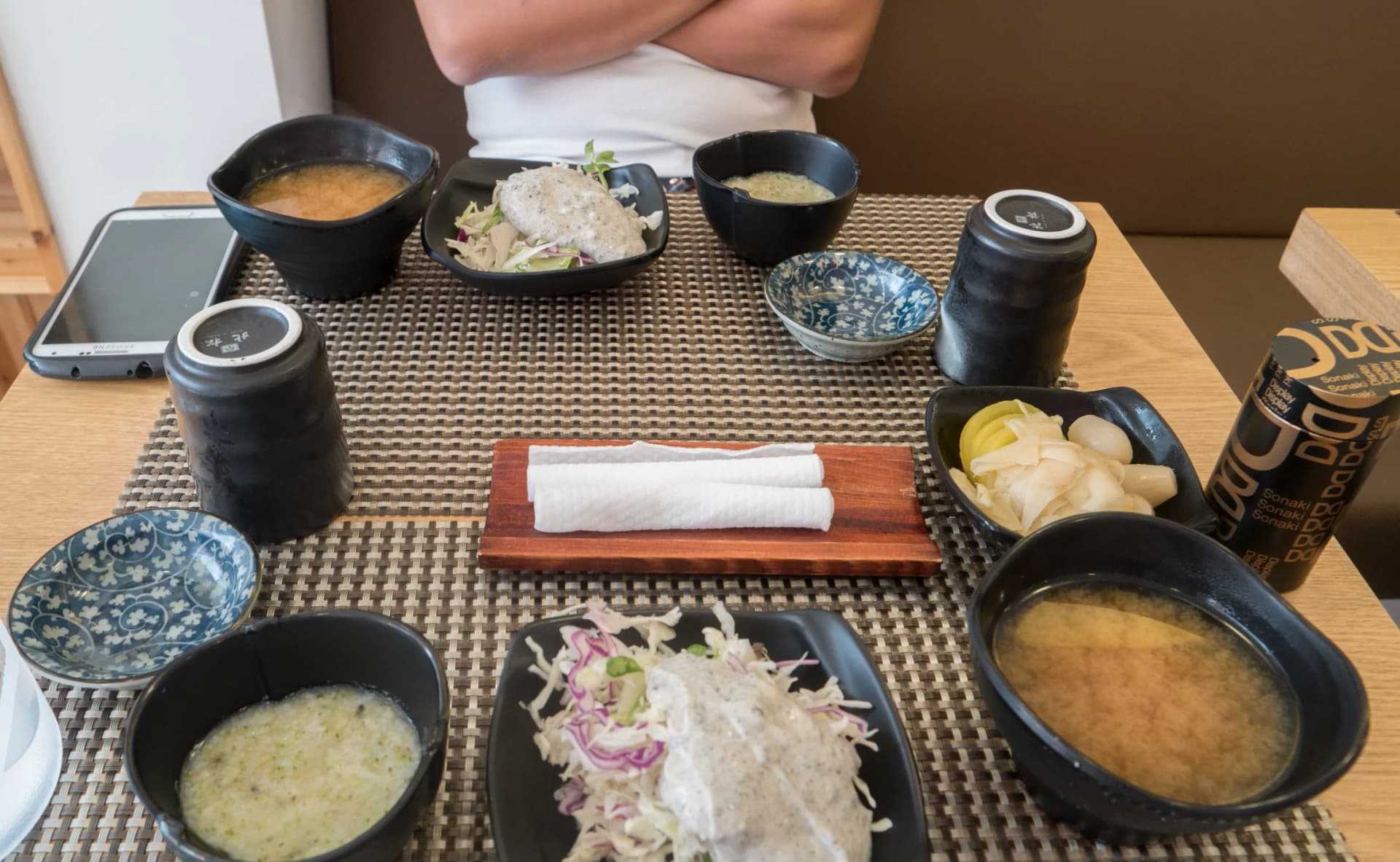
Once everything is set up, the table already looks pretty impressive. Hand towels, salad, abalone porridge, miso soup, and gari (pickled ginger that you eat between pieces of sushi) — all laid out neatly for two. The sushi hasn't even arrived yet, and this spread alone starts to make the $18 price tag make a lot more sense.
The Sushi Set Revealed — This Is How Much You Get
And then the sushi arrived.
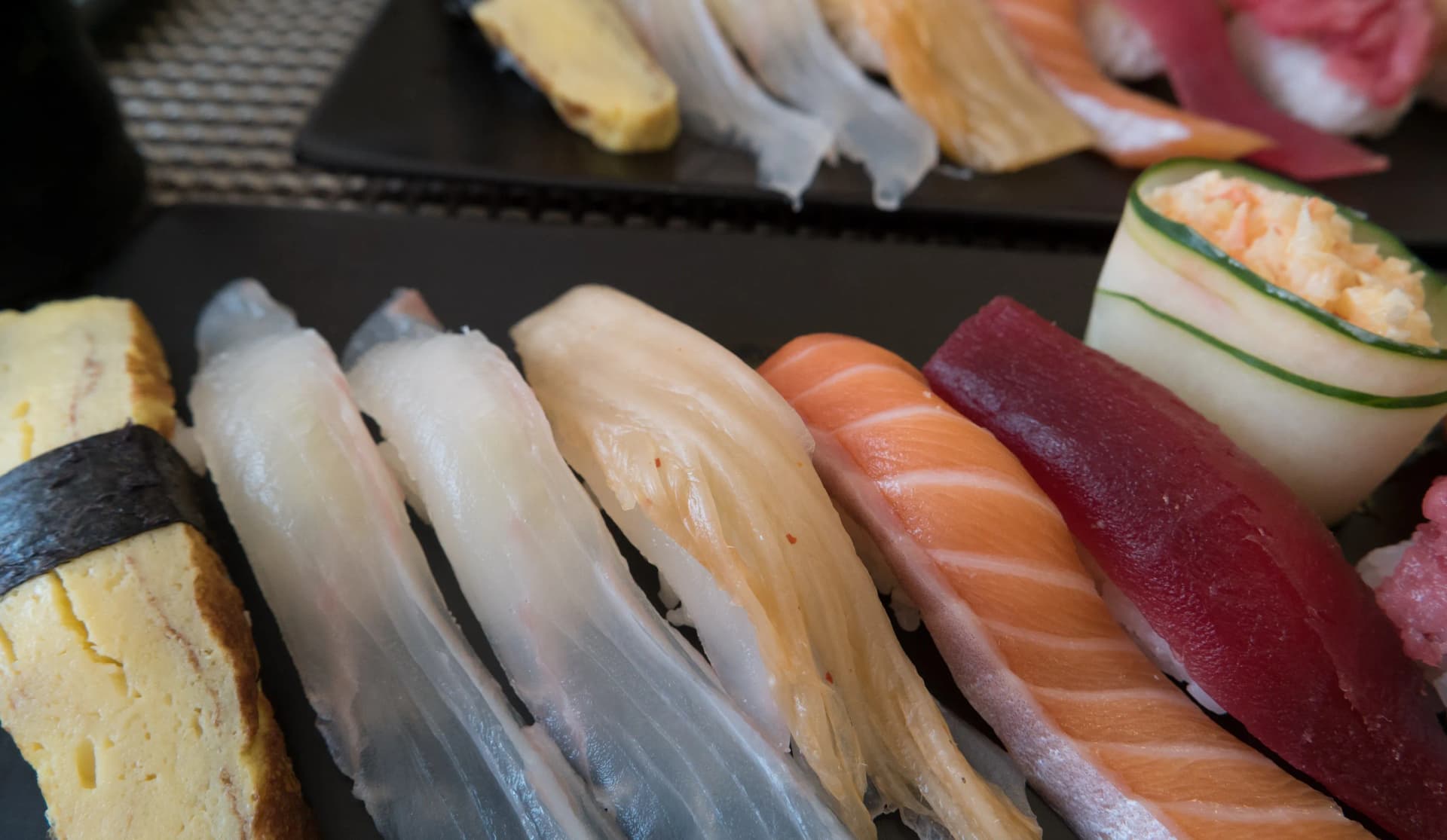
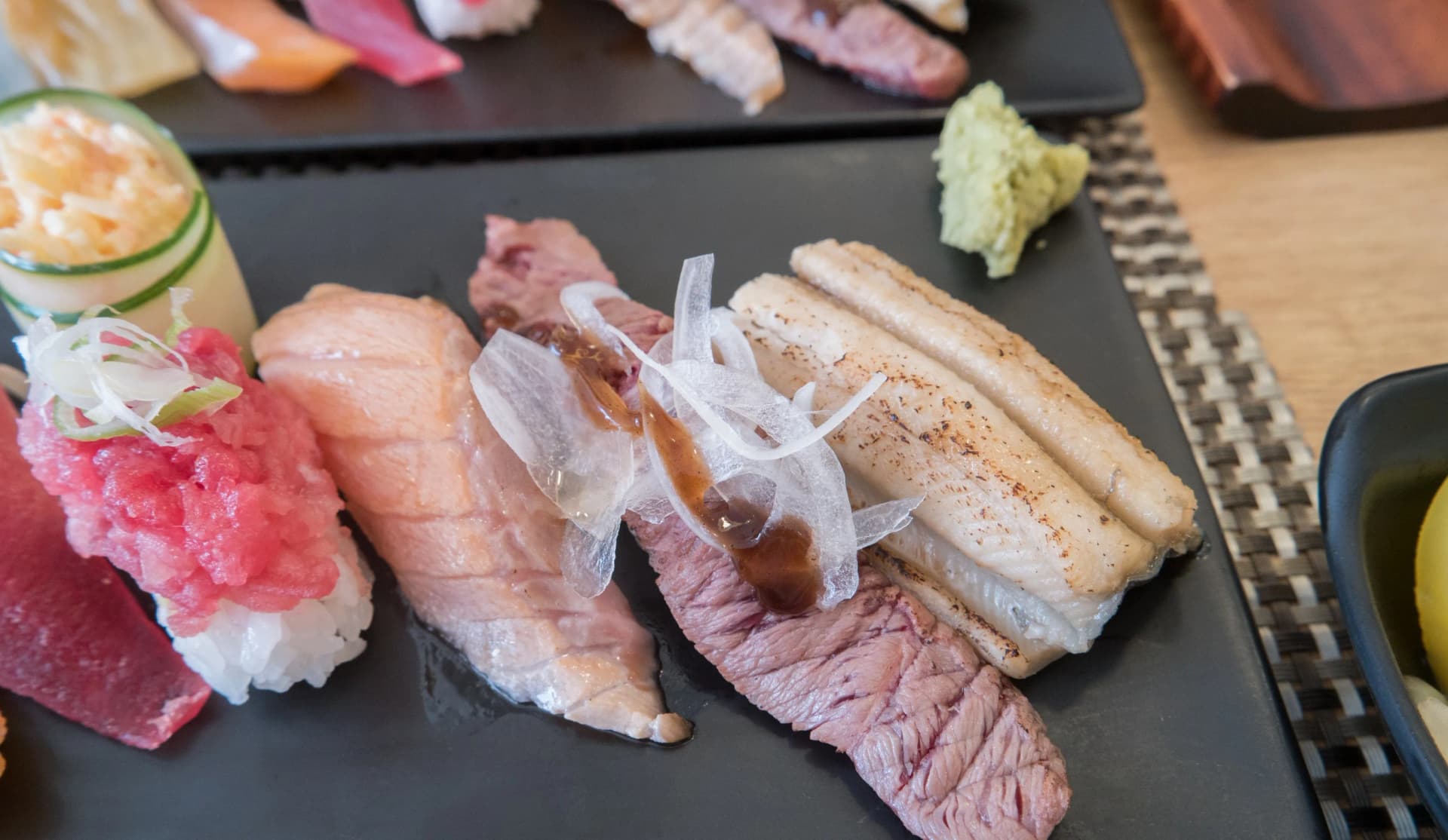
On a single plate: tamago, flounder, salmon, tuna, negitoro, cucumber roll, aburi salmon, beef, eel, and white kimchi — all right there. With so many kinds to choose from, you almost don't know where to start, and that's part of the fun of a set like this. My friend went straight for the beef sushi, while I started with the flounder. Even when you order the same set, everyone eats it in a different order.
Going through every single piece would take forever, so let me just highlight the ones that really stood out.
Sushi You Can Only Find in Korea — Beef Sushi
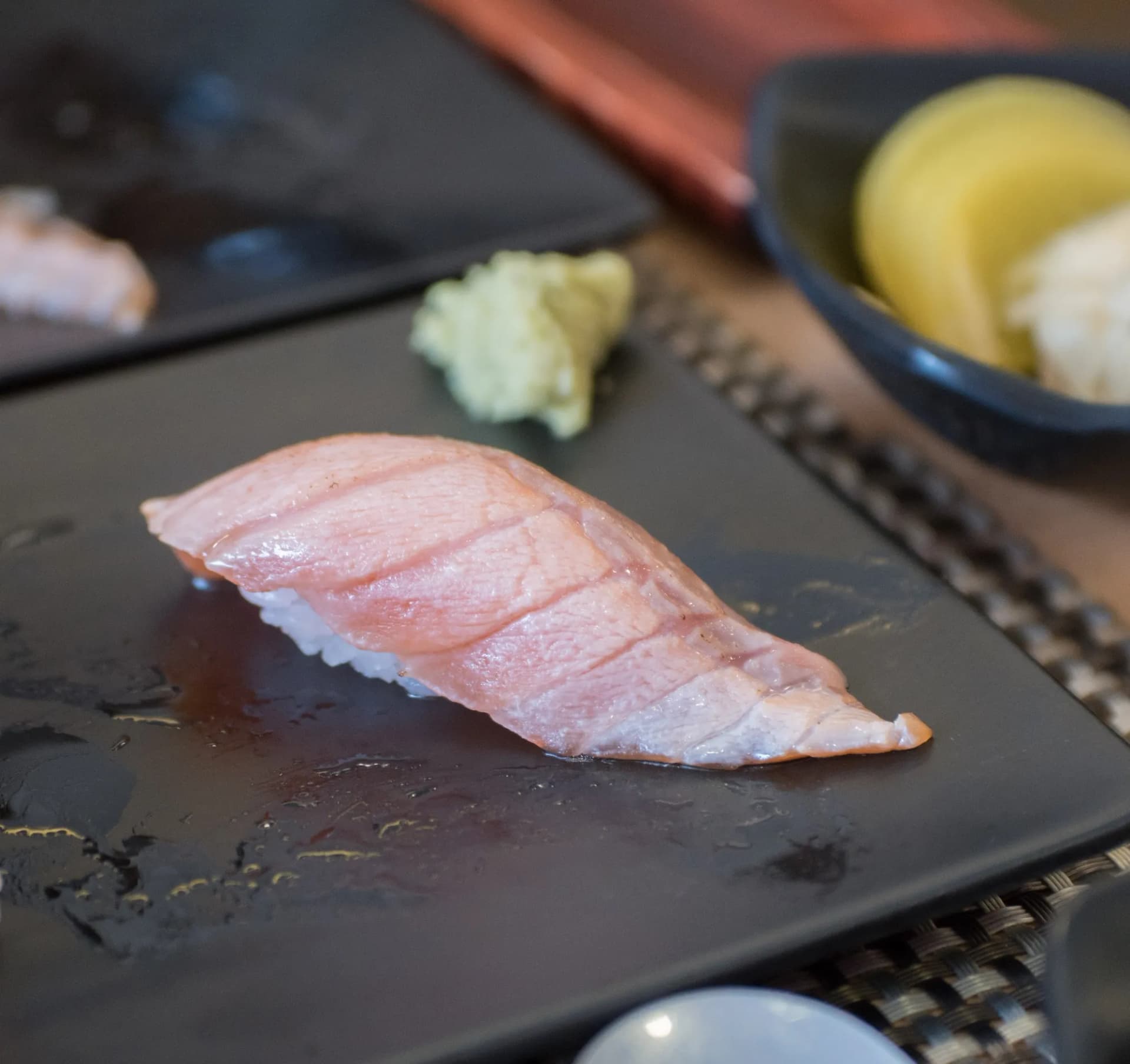
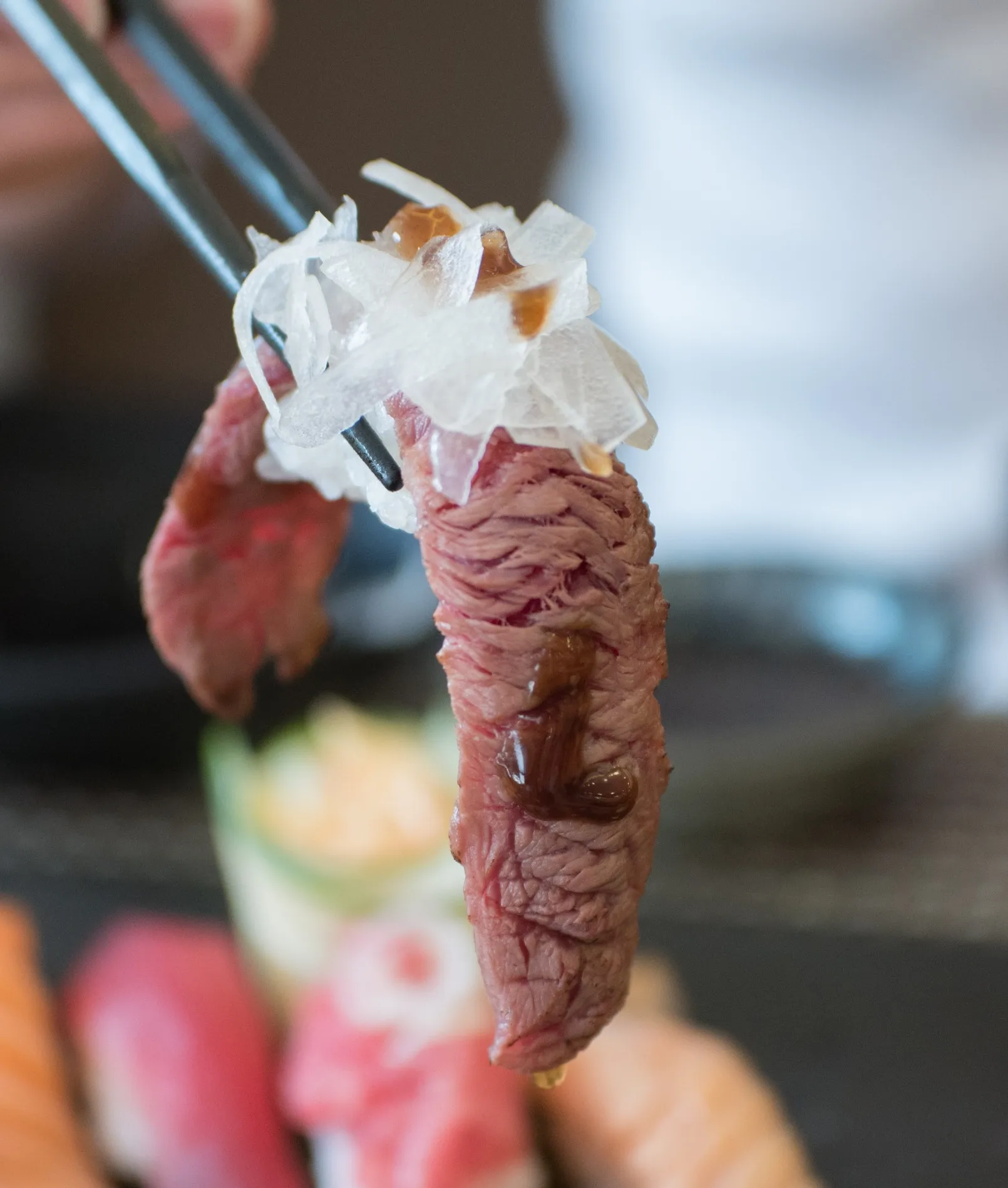
The first thing I want to talk about is the beef sushi. This is something you'd be hard-pressed to find at a Japanese sushi restaurant — it's a uniquely Korean sushi menu item.
It's made with Hanwoo, Korea's premium native beef, thinly sliced and placed on top of rice, then lightly torched on the outside. When you put it in your mouth, the fat melts from your body heat and just dissolves on your tongue. If you look at the photo, the meat is so much bigger than the rice ball that it hangs over on both sides — even a single piece feels like a satisfying portion.
Korea has a culture of eating raw beef. There's a traditional dish called yukhoe, which is raw beef seasoned and served fresh, and as an extension of that tradition, putting beef on top of sushi rice became a natural evolution. In Japan, sushi is almost entirely centered around seafood, but in Korea, beef sushi sits on the menu like it's always belonged there. My friend grabbed this one first, and by the end of the meal, she said it was the best thing on the plate.
Same Salmon, Totally Different Flavors — Aburi vs Raw
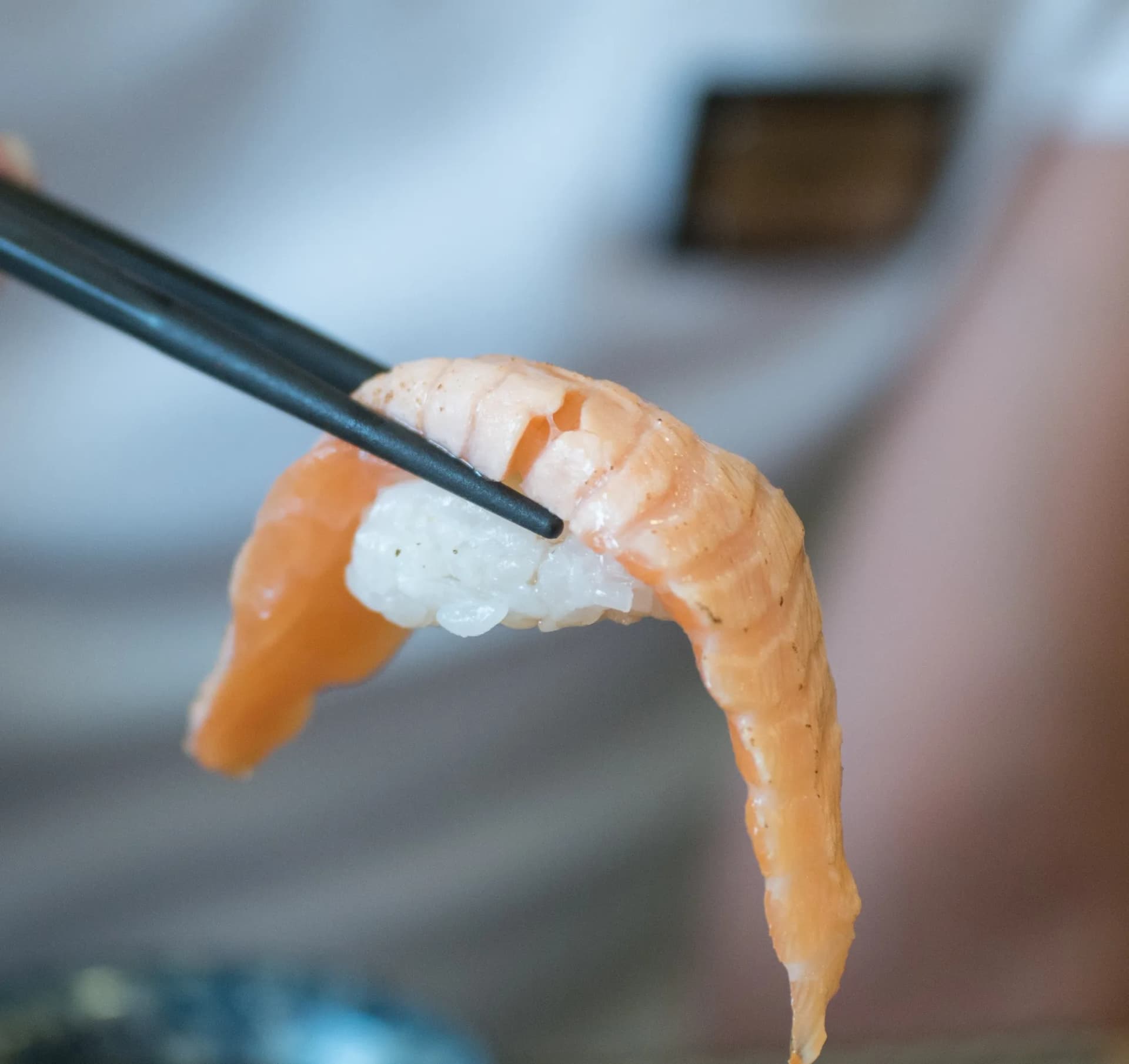
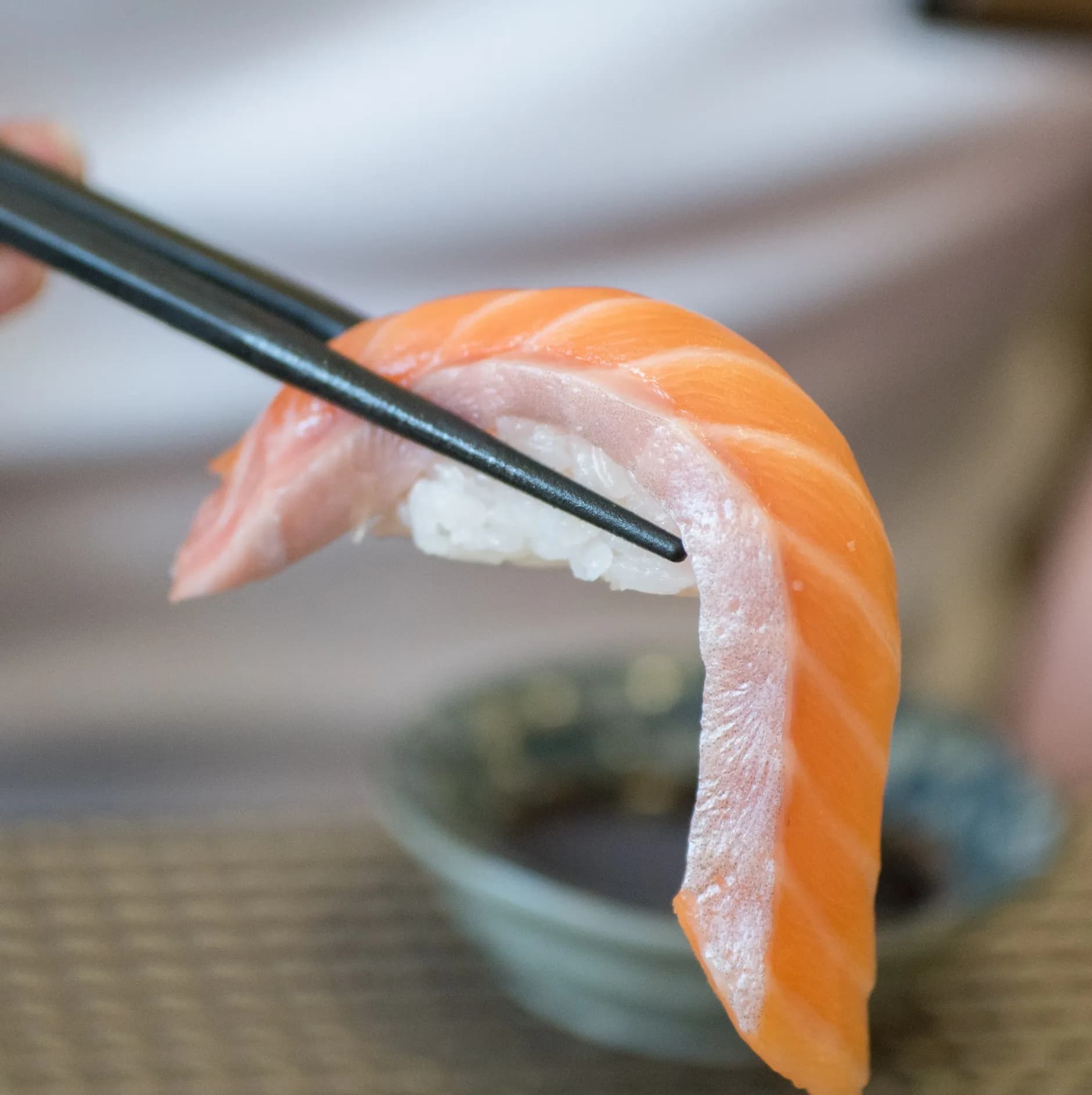
Next up is salmon, and here's the fun part — the same fish showed up in two completely different forms. One was aburi salmon, lightly torched on the outside, and the other was completely raw, untouched by heat.
The aburi salmon has those torch marks on the surface that give it a toasty, savory aroma. The outside is slightly cooked while the inside stays fresh and raw. The raw salmon, on the other hand, hits you first with its cool, silky texture, and as you chew, the natural oils spread across your palate with a rich, subtly sweet flavor.
It's the same fish, but two completely different taste experiences — and that's what makes sushi so fascinating. Including the same ingredient prepared two different ways in one set was a really thoughtful touch. If you ask me which one was better, it honestly comes down to personal preference, but I liked the aburi version more.
Another Korean-Only Sushi — White Kimchi Sushi
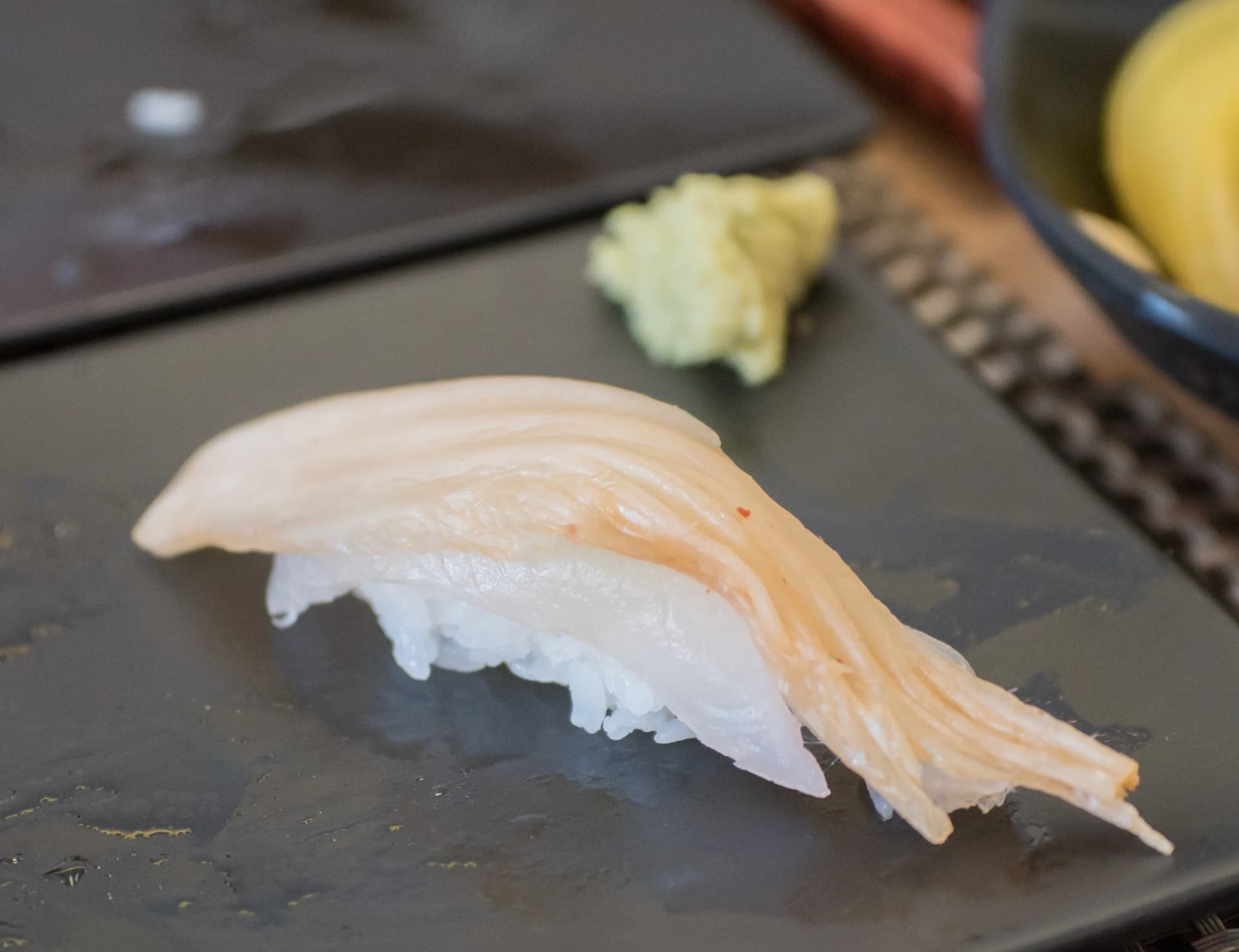
This is white kimchi sushi. It doesn't exist in Japan — it's another menu item you can only find at Korean sushi restaurants.
Baek-kimchi (white kimchi) is a type of Korean kimchi, but it's different from the spicy red kimchi most people picture. It's made without chili flakes, so it's not spicy at all — instead, it has a refreshing, slightly tangy and cool flavor. Sliced thin and placed on top of sushi rice, it serves an amazing purpose: after eating several pieces of rich, oily fish sushi, your mouth can start to feel heavy. Pop one of these in, and it cleanses your palate completely. It plays a similar role to gari (pickled ginger), but the flavor goes in a totally different direction.
If you're eating sushi in Korea, definitely give this one a try. It's a sushi you literally cannot get anywhere else in the world.
For Those Who Are Nervous About Raw Fish — Eel Sushi
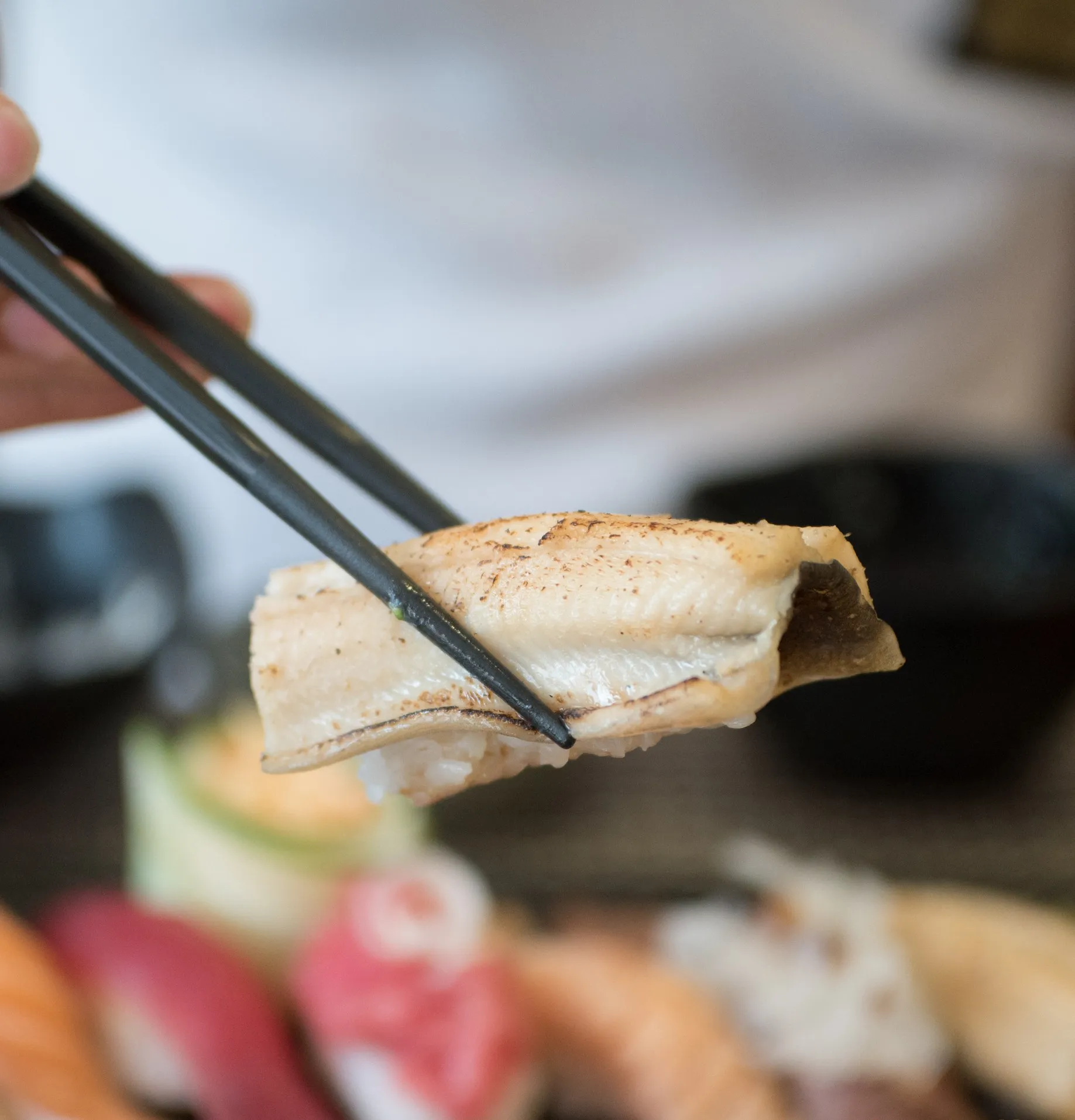
This is eel sushi, and if I had to recommend just one piece to someone who's not big on raw fish, this would be it.
When most people think of eel sushi, they imagine it drenched in a sweet soy glaze. But this one came without any sauce — just the eel, lightly torched on the surface. The skin side has a slight crispness to it, while the flesh is incredibly tender and falls apart easily. Without the sauce, you can really taste the eel itself — clean, mild, and nutty. There's just enough natural oil that each bite gets richer as you chew, but it never feels greasy. There's almost no fishy smell either, which is why even sushi first-timers or people who are uncomfortable with raw fish often say they can handle eel sushi just fine.
Flounder, Tamago — A Quick Look at the Rest
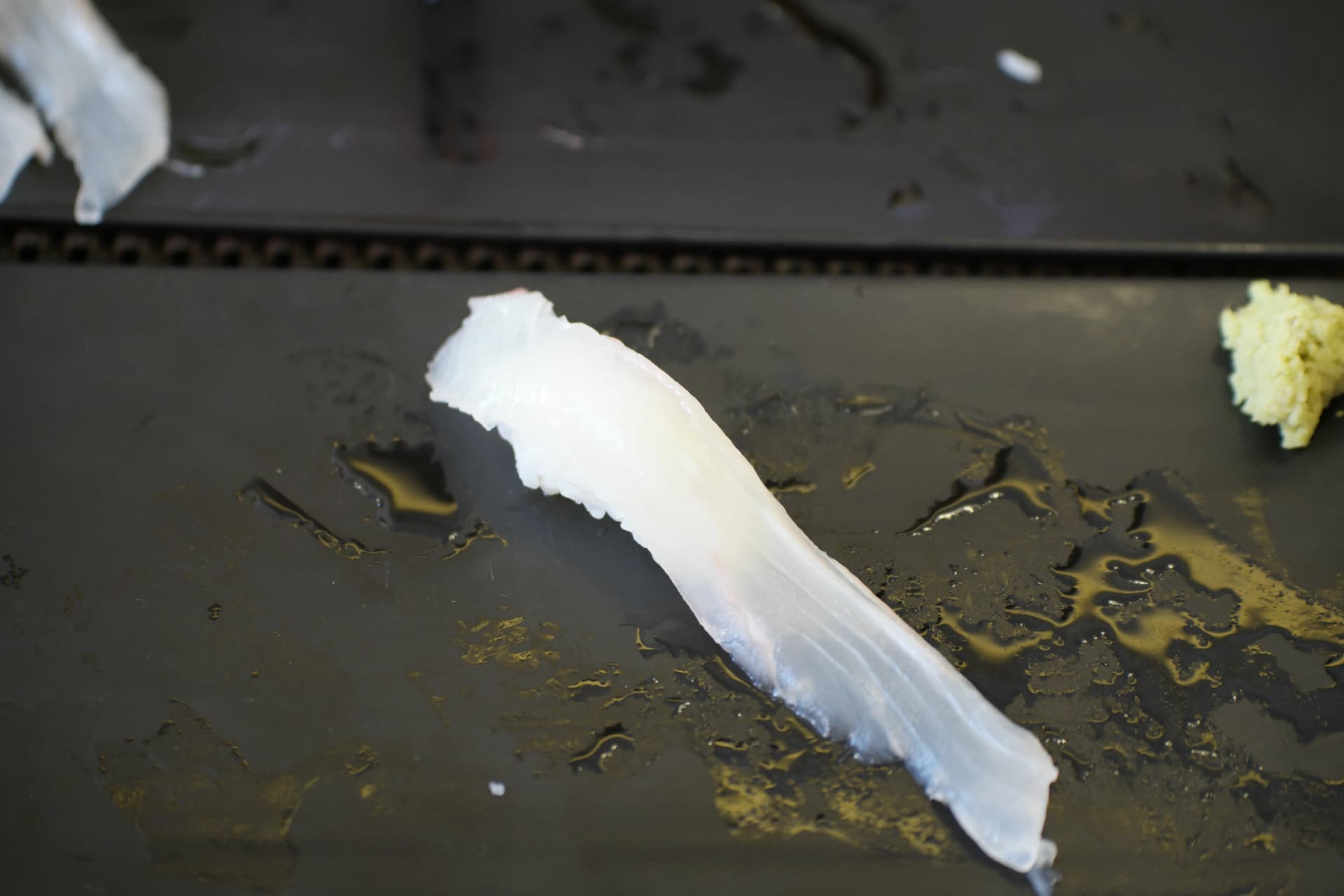
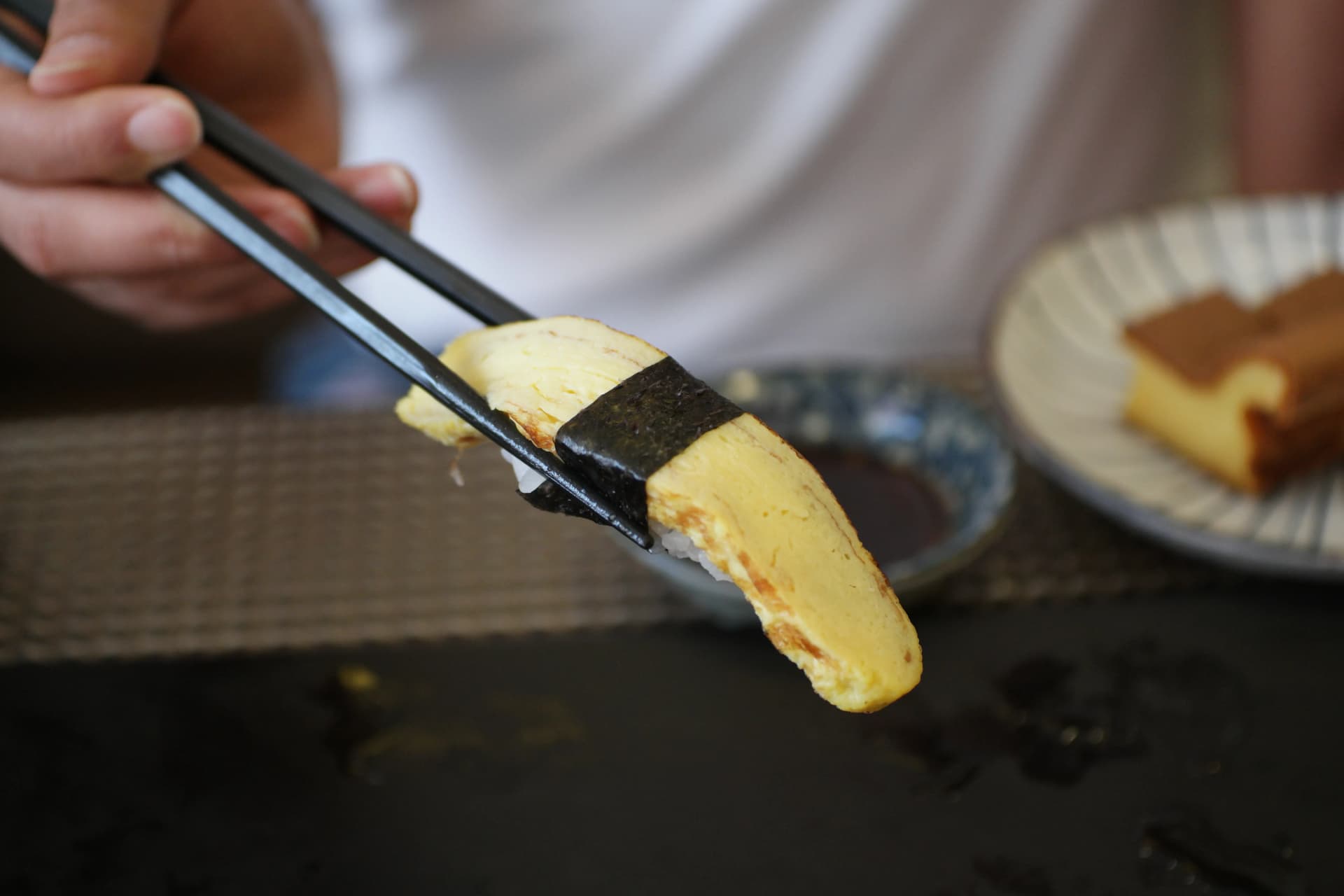
Let me quickly run through the rest. Flounder has this white, almost translucent flesh, and unlike the oily richness of salmon or tuna, it's light and clean-tasting. It has a satisfying chewy texture, so alternating between the soft salmon and the springy flounder creates a nice contrast. Add a tiny bit of wasabi and the flounder's mildness pairs beautifully with that sharp, sinus-clearing kick.
Tamago is a Japanese-style rolled omelet placed on rice and wrapped with a strip of seaweed. The egg is mixed with sugar and dashi (broth), then folded into thin layers and grilled. It's gently sweet with a moist, fluffy texture. It's especially popular with people who find raw fish intimidating, and kids tend to love it too.
The Full Sushi Set Lineup — All of This in One Sitting
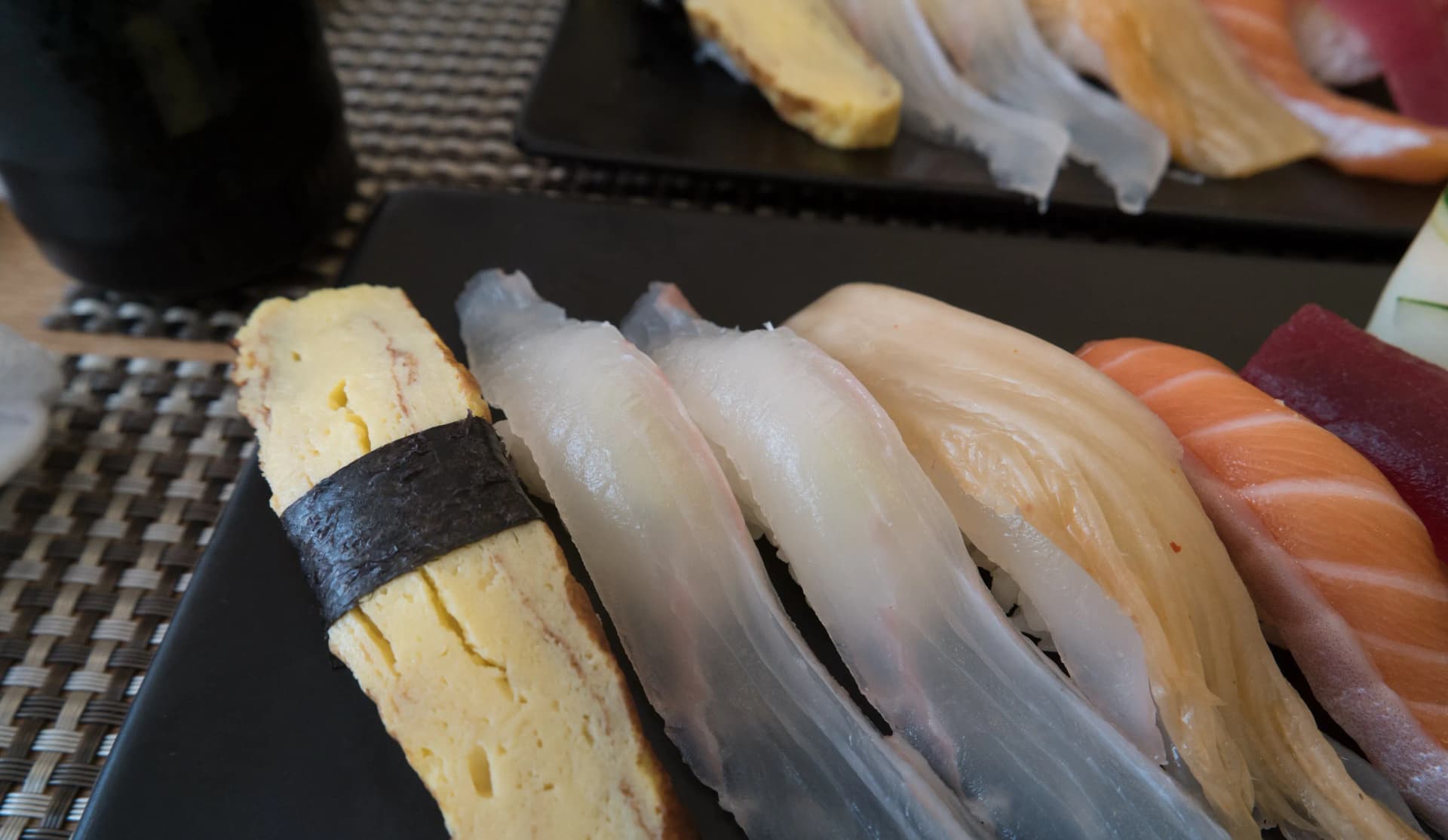
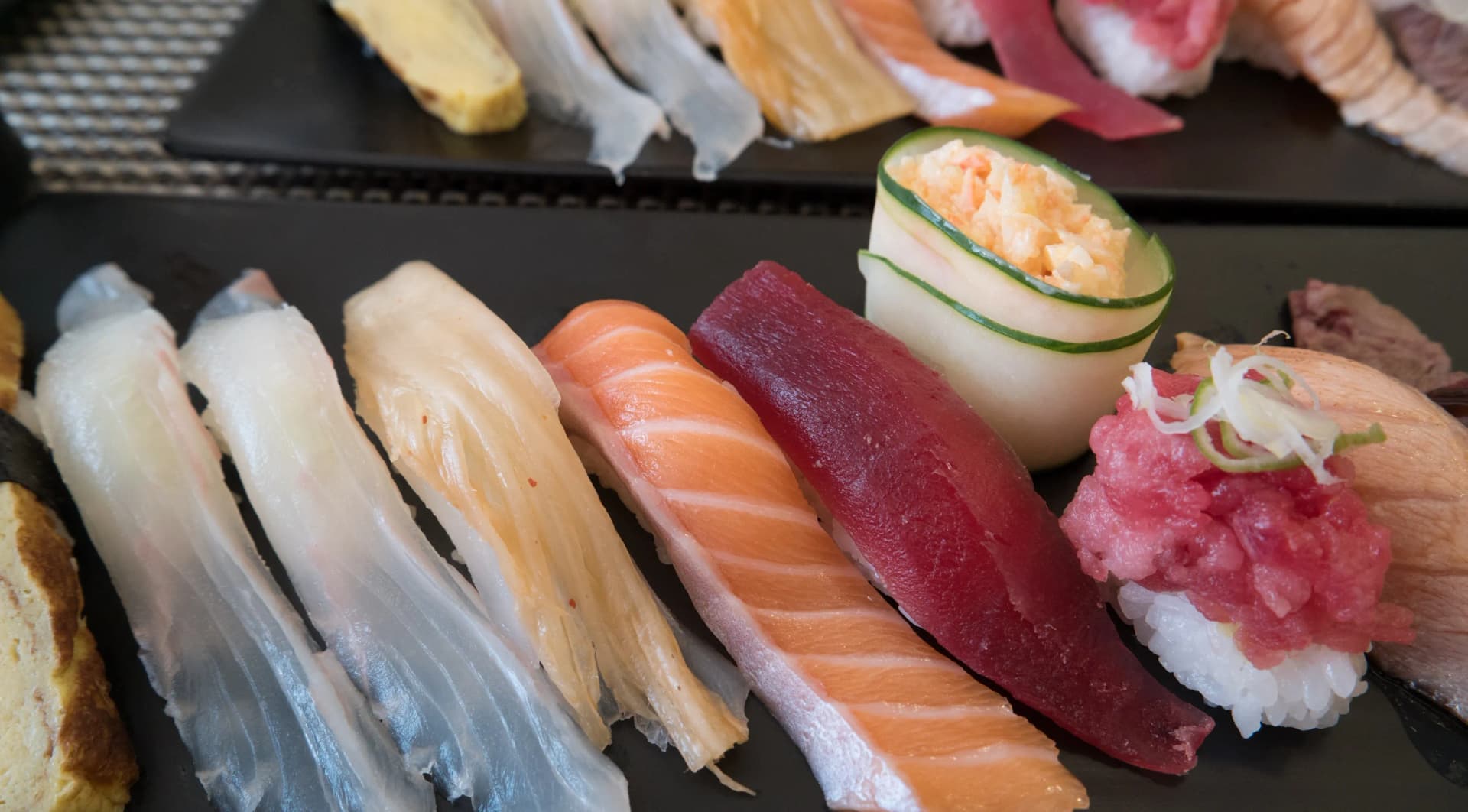
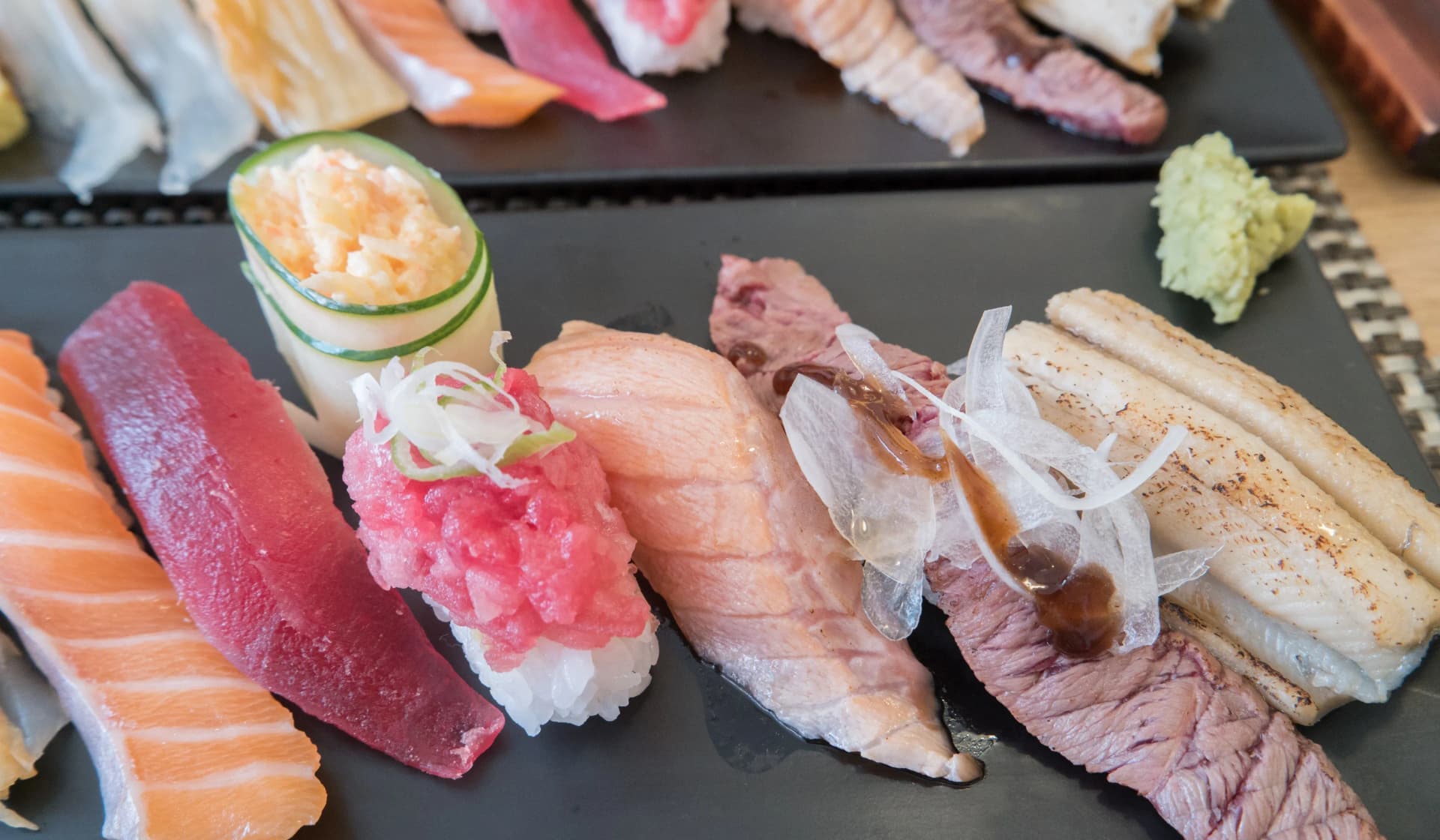
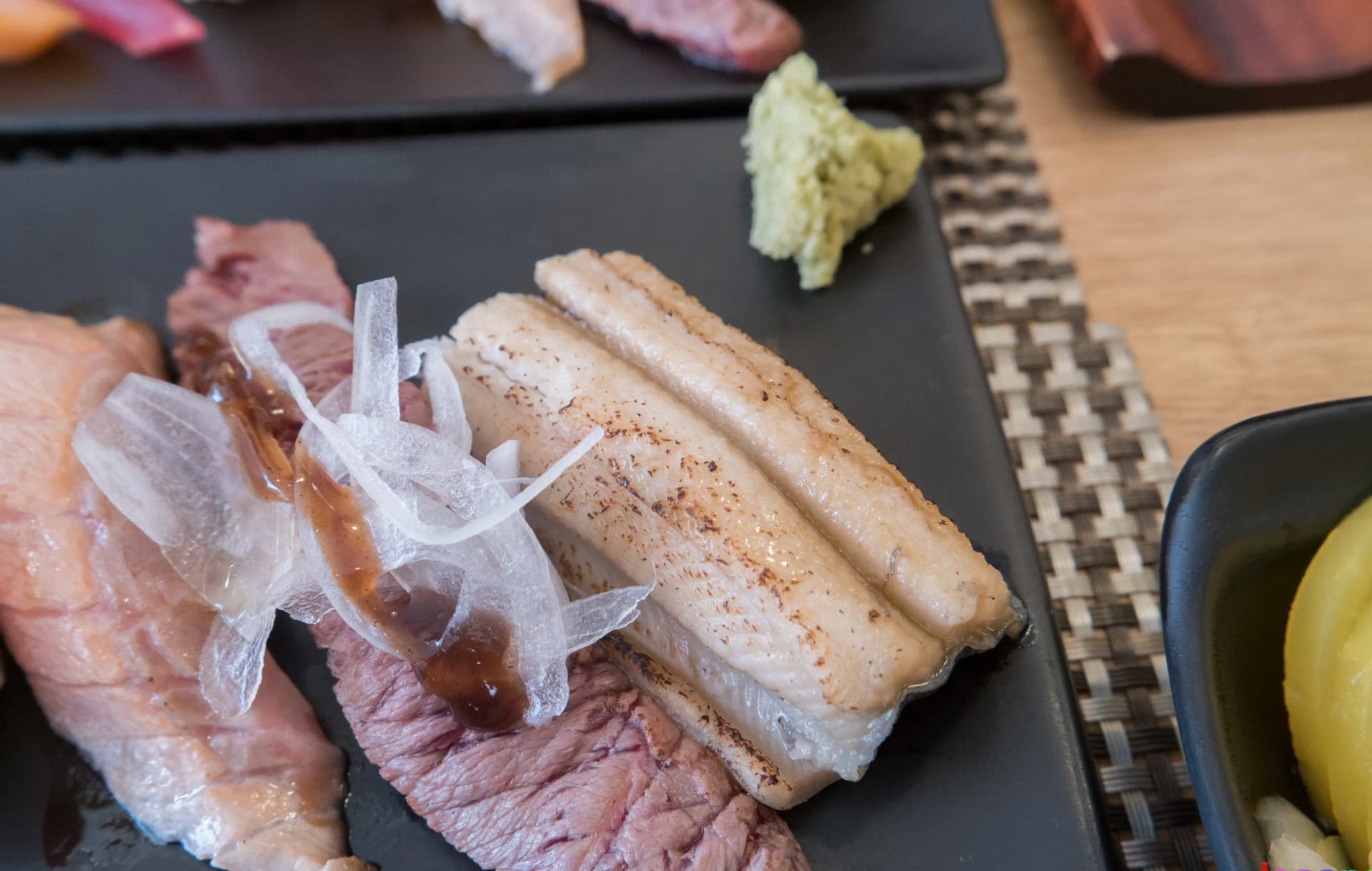
Looking at the full set laid out, you've got the clean subtlety of white fish, the rich fattiness of salmon and tuna, the smoky aroma of torched aburi, the melt-on-your-tongue texture of beef, the tenderness of eel, the refreshing bite of white kimchi, and the comforting sweetness of tamago — all experienced in a single sitting. The variety and the portions are both generous, so whether you're a sushi newbie or someone who eats it regularly, a set like this is enough to leave you satisfied.
But I'll be honest — there was one thing that bugged me. The rice. Good sushi is all about the balance between fish and rice, and on a few pieces, the rice ball was packed a bit too big, so you'd taste the rice before the fish. Most pieces had a great ratio, but a few missed the mark. At the $18 price point, it's something you can overlook, but if you're particular about these things, just know it going in.
Mini Udon, Tempura, and Castella — The Rest of the Set
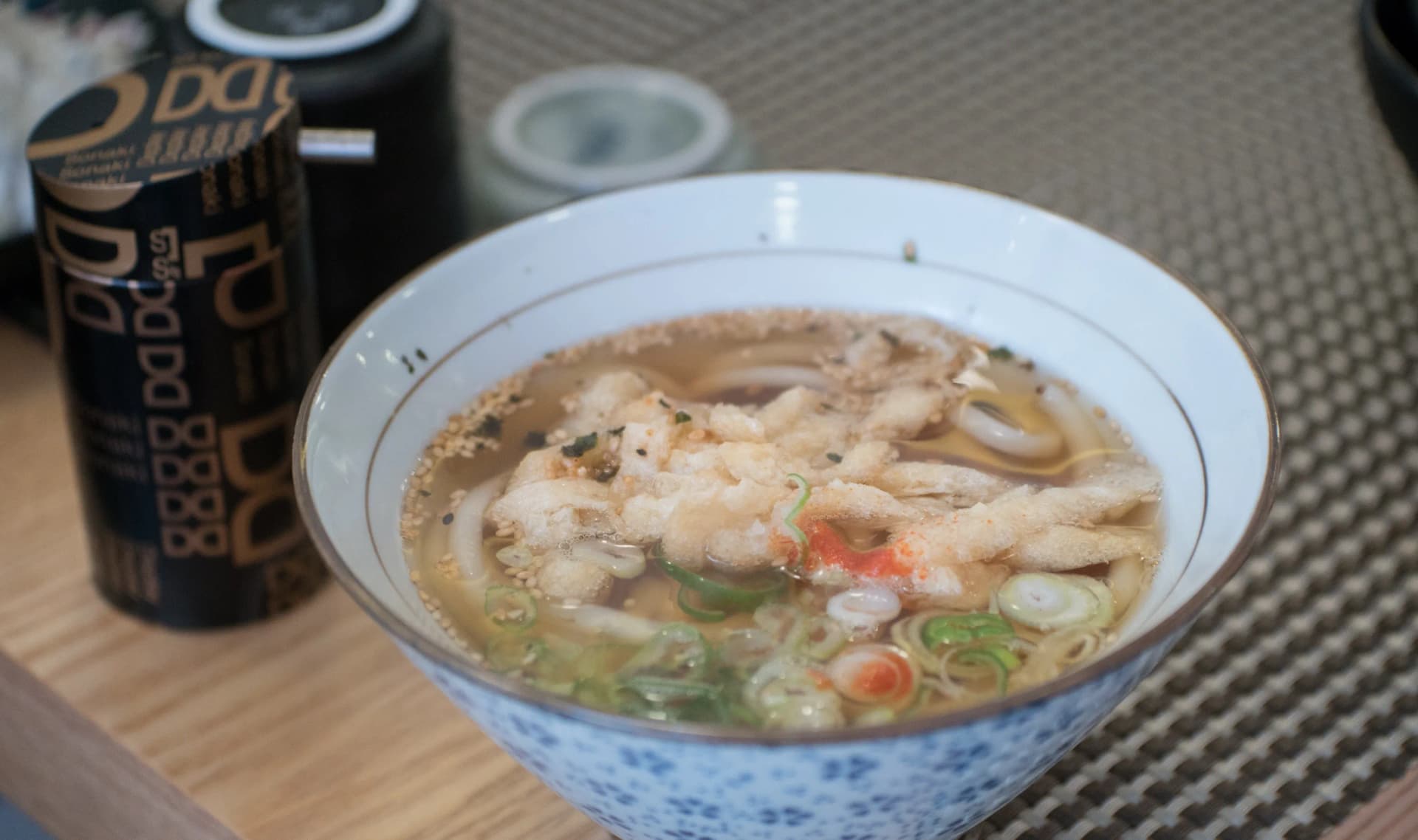
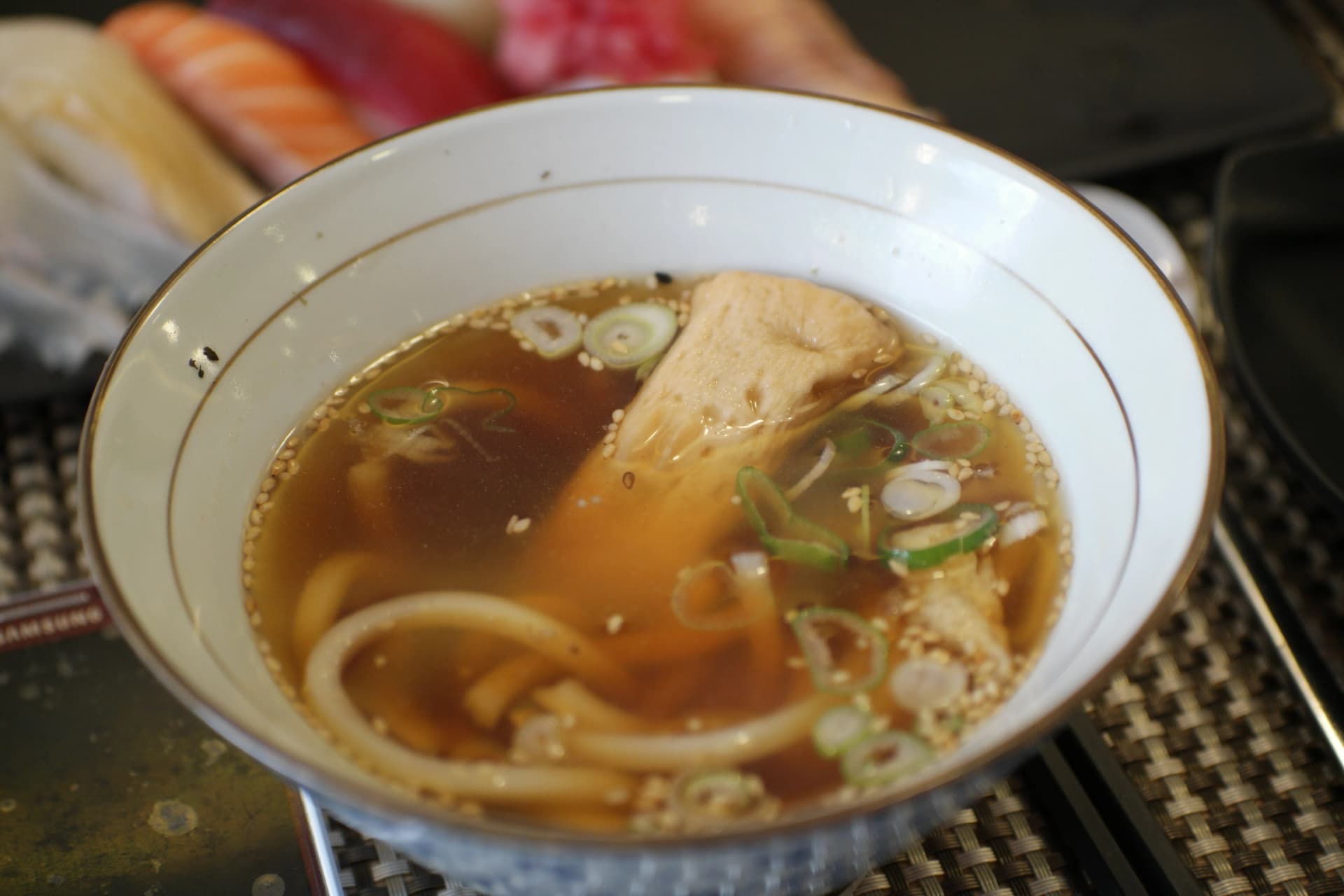
After the sushi, mini udon bowls came out. One had tempura on top, the other had fried tofu skin. And I mean genuinely mini — you finish them in just a few bites. But the warm broth between bites of cold sushi does a great job of warming your stomach, and the timing felt just right. It's not about the portion; it's about the flow of the meal.
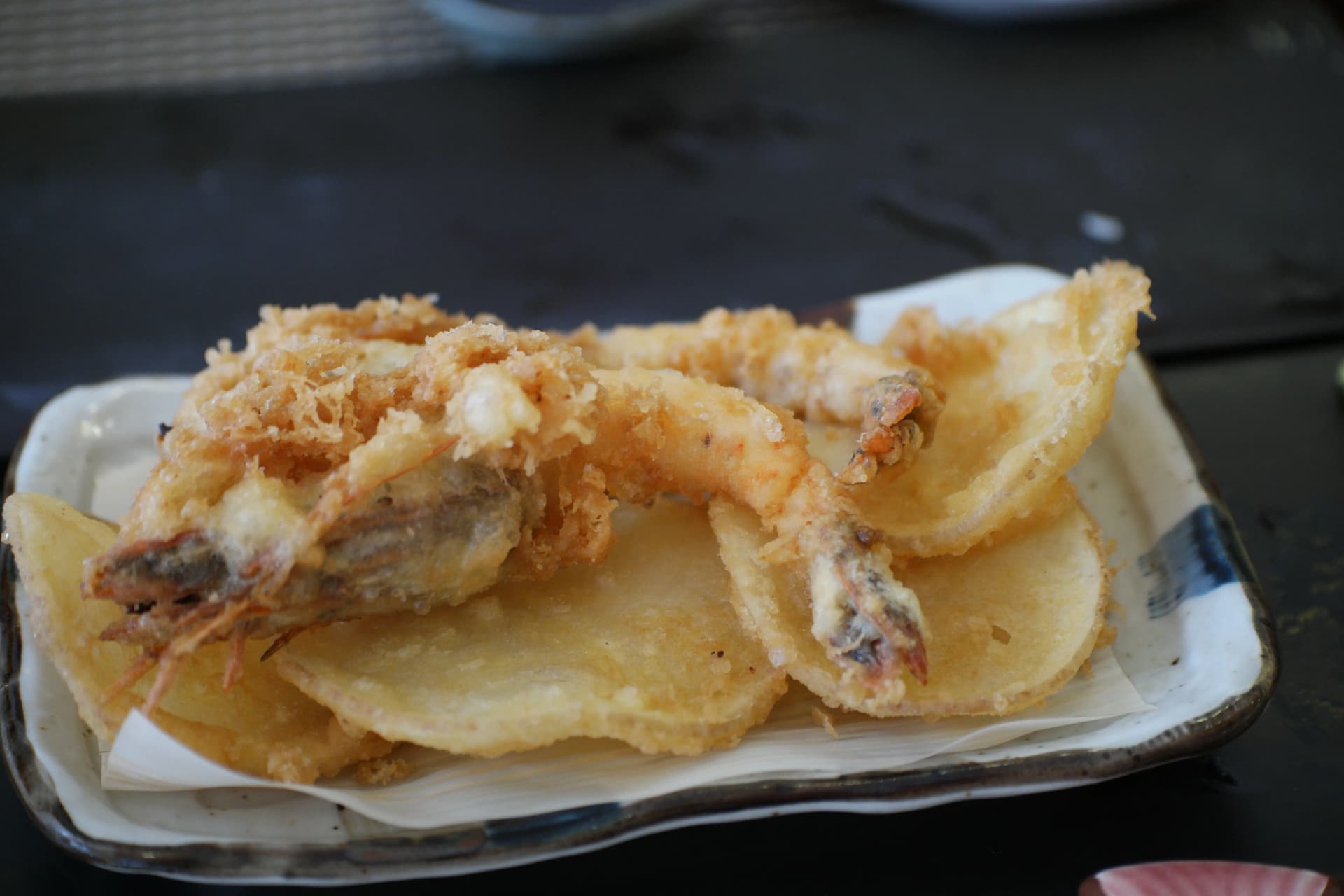
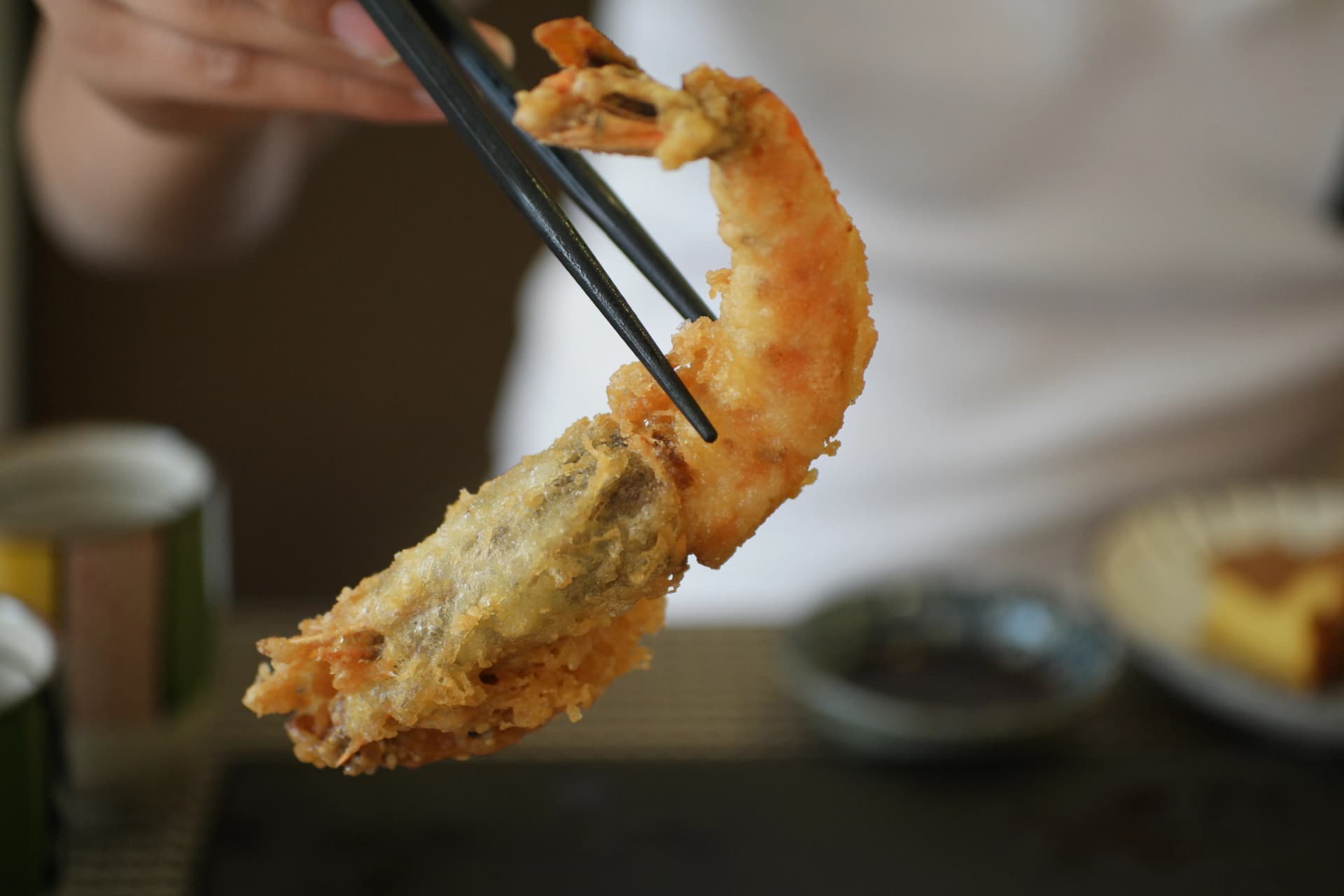
Tempura was also included in the set. Shrimp tempura, sweet potato tempura, and a small piece of fish tempura all came on one plate, and the shrimp was surprisingly big. The coating was crispy and the shrimp inside still had a bouncy, snappy bite. After eating sushi and udon, there's always a moment where you start craving something fried — and that's exactly when this shows up.
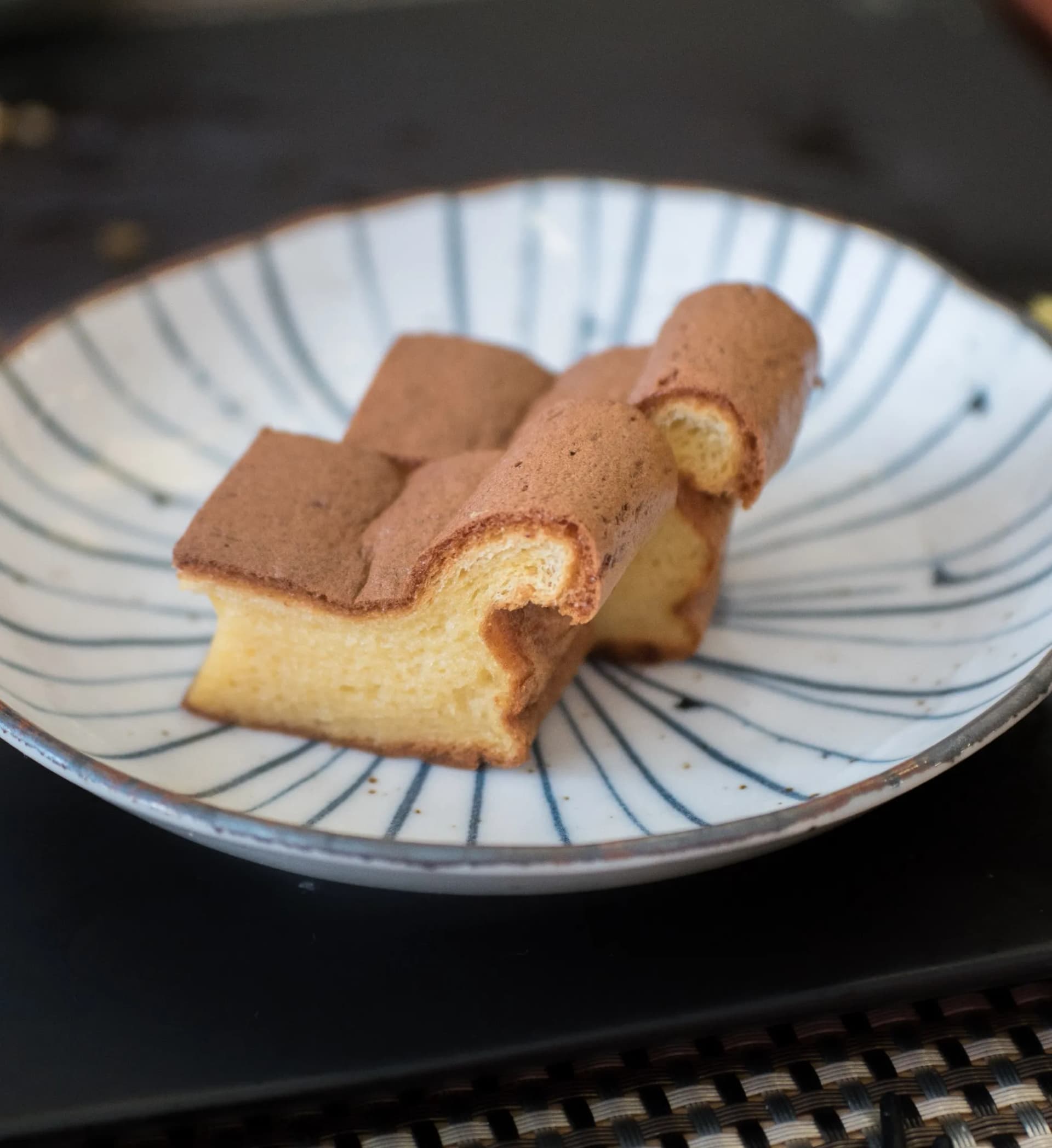
The final dessert was castella — a Japanese-style sponge cake. The outside is baked to a golden brown and the inside is soft and fluffy yellow. It's sweet but not overwhelmingly so, which made it the perfect palate cleanser after all that fish. Quite a few Korean sushi restaurants serve castella as a closing dessert just like this.
How to Eat Sushi — Just Know These Basics If It's Your First Time
Some of you might be trying sushi for the very first time, so let me quickly go over the basics of how to eat it.
How to Eat Sushi — Good Things to Know
🤚 It's totally fine to eat with your hands
Sushi was originally meant to be eaten by hand. If chopsticks feel awkward, just use your fingers — there's nothing weird about it. That's exactly why they give you a hand towel before the meal.
🐟 Dip the fish side into soy sauce
When dipping sushi in soy sauce, flip it so the fish faces down and lightly dip that side. If you dip the rice side, it soaks up way too much soy sauce, making it salty, and the rice can fall apart.
🫚 Eat gari (pickled ginger) between pieces
That pale pink pickled ginger sitting next to your sushi is called gari. You don't put it on top of your sushi — you eat a small piece between different types of sushi to cleanse your palate. It helps you fully taste the next piece.
🌶️ Wasabi is usually already inside
Most sushi already has a small amount of wasabi tucked between the rice and the fish. If you want more, you can dab a little on top of the fish. If you can't handle spice at all, just say "wasabi bbae-juseyo" (no wasabi, please) when you order.
👄 Eat each piece in one bite
Sushi is meant to be eaten in one bite. If you split it in half, the rice scatters and the fish separates, throwing off the whole balance of flavors. If your mouth is too small for one bite, two bites is still acceptable.
Useful Korean Phrases for Sushi Restaurants
Even if you don't speak Korean, you'll be fine. Just show the phrases below on your screen to the staff.
Don't speak Korean? No problem. Just show this screen to the staff.
추천 메뉴가 뭐예요?
What do you recommend?
🔊 choo-cheon meh-nyu-ga mwo-yeh-yo?
와사비 빼주세요
No wasabi, please
🔊 wa-sa-bi bbae-joo-seh-yo
간장 더 주세요
More soy sauce, please
🔊 gan-jang duh joo-seh-yo
이거 하나 더 주문할게요
I'd like to order one more of this
🔊 ee-guh ha-na duh joo-moon-hal-geh-yo
화장실 어디예요?
Where is the restroom?
🔊 hwah-jahng-shil uh-dee-yeh-yo?
계산이요
Check, please
🔊 gye-sahn-ee-yo
A Sushi Meal During Your Korea Trip Is Totally Worth It
Eating Japanese food in Korea is more than just a palate cleanser — it's a whole different experience. Even though it's sushi, there are uniquely Korean items like beef sushi and white kimchi sushi naturally mixed in, giving it a twist you won't find in Japan itself.
There's no rule that says you have to eat Korean food every single meal during your trip. In fact, slipping in a different cuisine like this can actually make the Korean food you eat the next day feel fresh and exciting all over again. So if you're traveling Korea and your taste buds are starting to hit a wall, try adding a sushi meal into the mix. The $18 might feel a little steep at first, but once you see everything that comes with it, you'll change your mind.
This post was originally published on https://hi-jsb.blog.