
Ultimate King Crab Feast in Korea – A Premium Seafood Experience
Table of Contents
12 items
A Premium Seafood Experience Most Koreans Save for Special Occasions
If you're visiting Korea, there's one dish I really hope you get to try at least once — king crab. Honestly, even for Koreans, king crab isn't something you can just casually order on a weeknight. It's the kind of meal people save for company dinners or birthday celebrations because the price tag is no joke. I recently got lucky enough to have the chance to try it, and yeah, the bill was definitely steep. But if you've got a little extra room in your travel budget, this premium seafood experience is absolutely worth the splurge. Let me walk you through the whole thing.
What You See the Moment You Walk Into a King Crab Restaurant
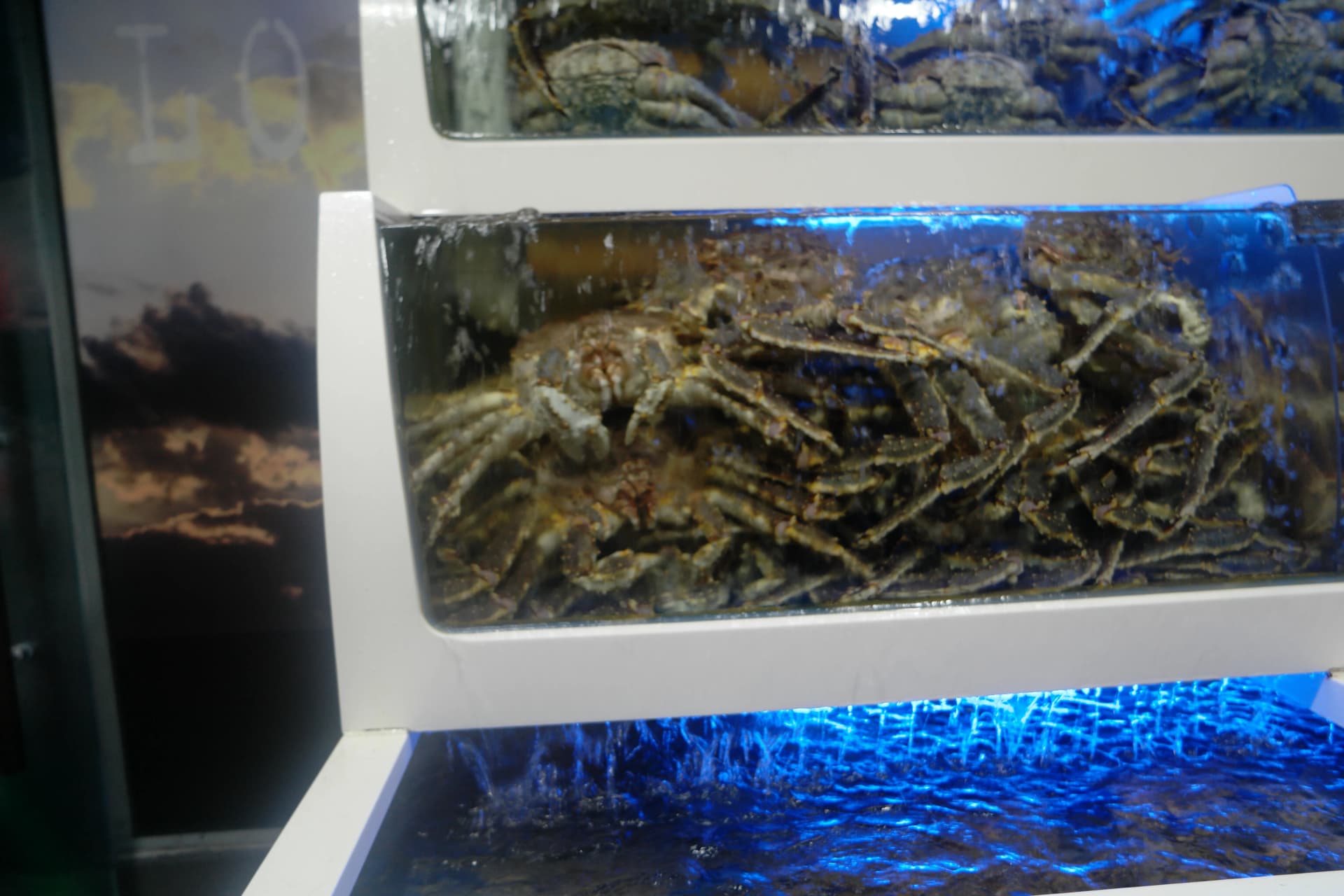
When you step into a Korean king crab spot, the first thing that hits you is this massive aquarium right at the entrance. Under blue lights, enormous king crabs are packed in tight — the visual alone is pretty striking. In Korea, they keep the crabs alive like this and pull them out fresh the moment you order. Since freshness is everything when it comes to king crab, just seeing this scene instantly gets your expectations sky-high. I'd like to take this moment to express both my gratitude and my sincere apologies to the king crab that sacrificed itself for today's meal…
The Table Setup and Side Dishes
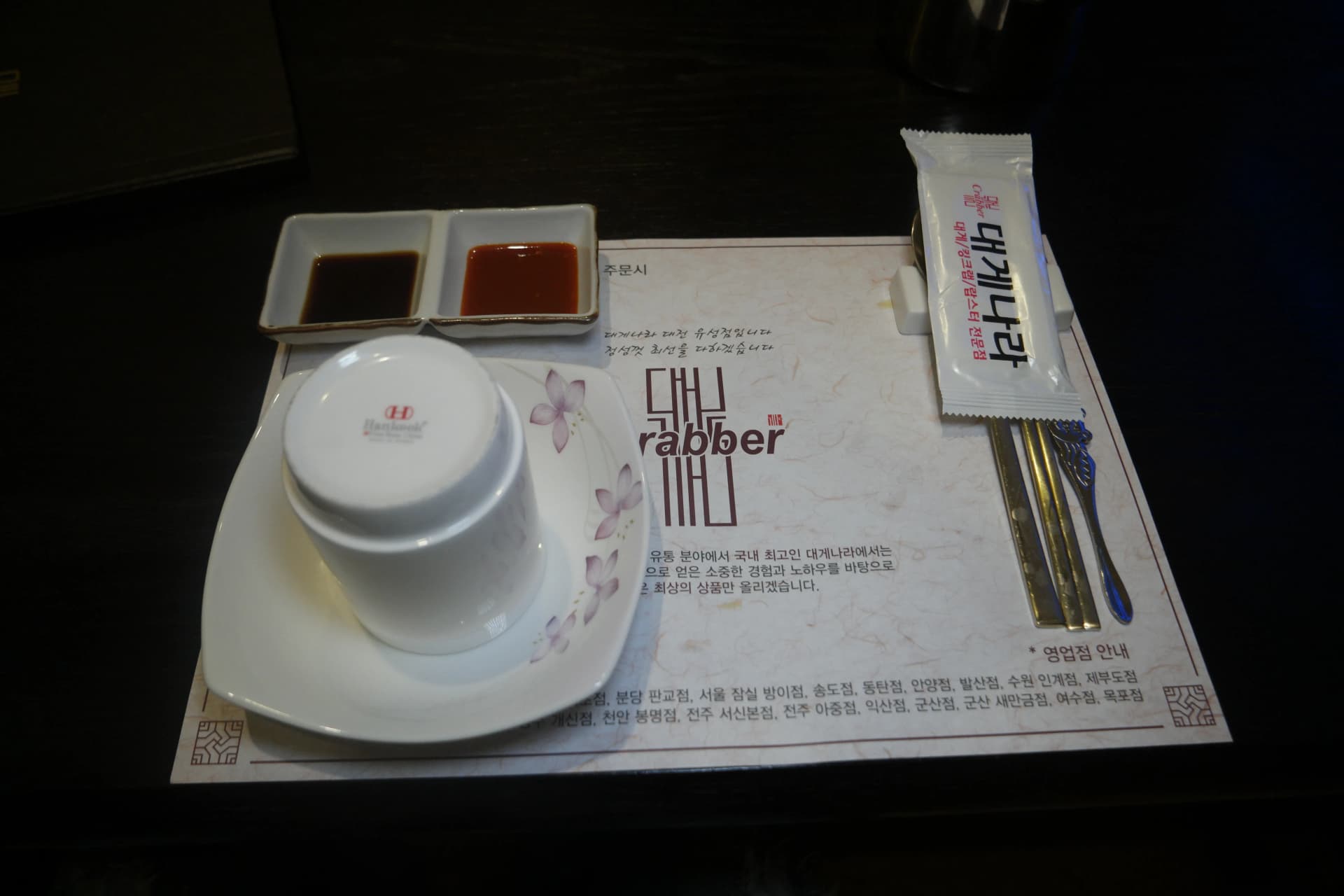
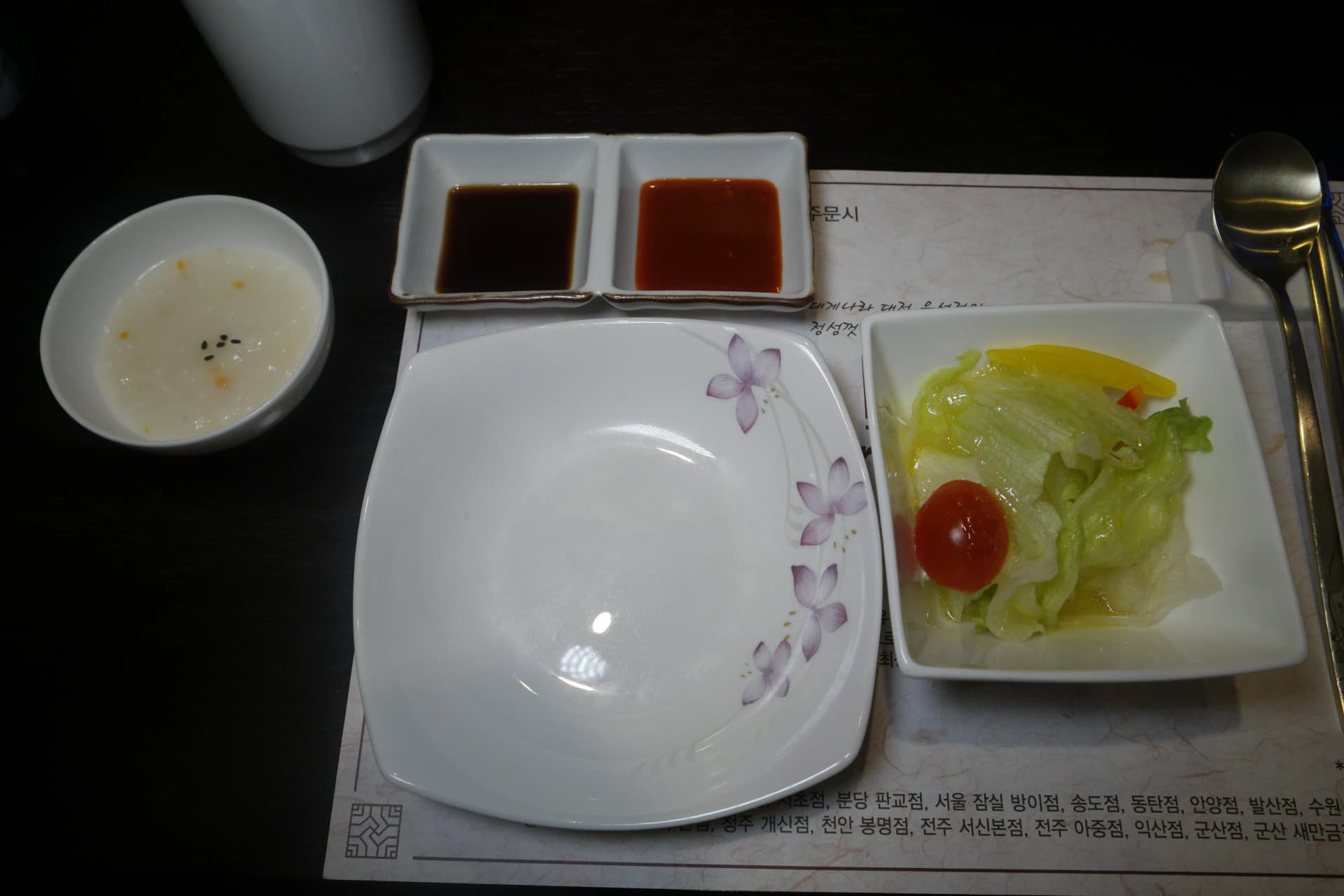
Once you sit down, the table is already set up like this. There's porridge, salad, two types of dipping sauce (soy sauce and chili vinegar paste), plus spoons and chopsticks all neatly laid out. Before the king crab arrives, you start with the porridge and salad to lightly warm up your palate.
Three Types of Seaweed – An Ocean-Fresh Appetizer
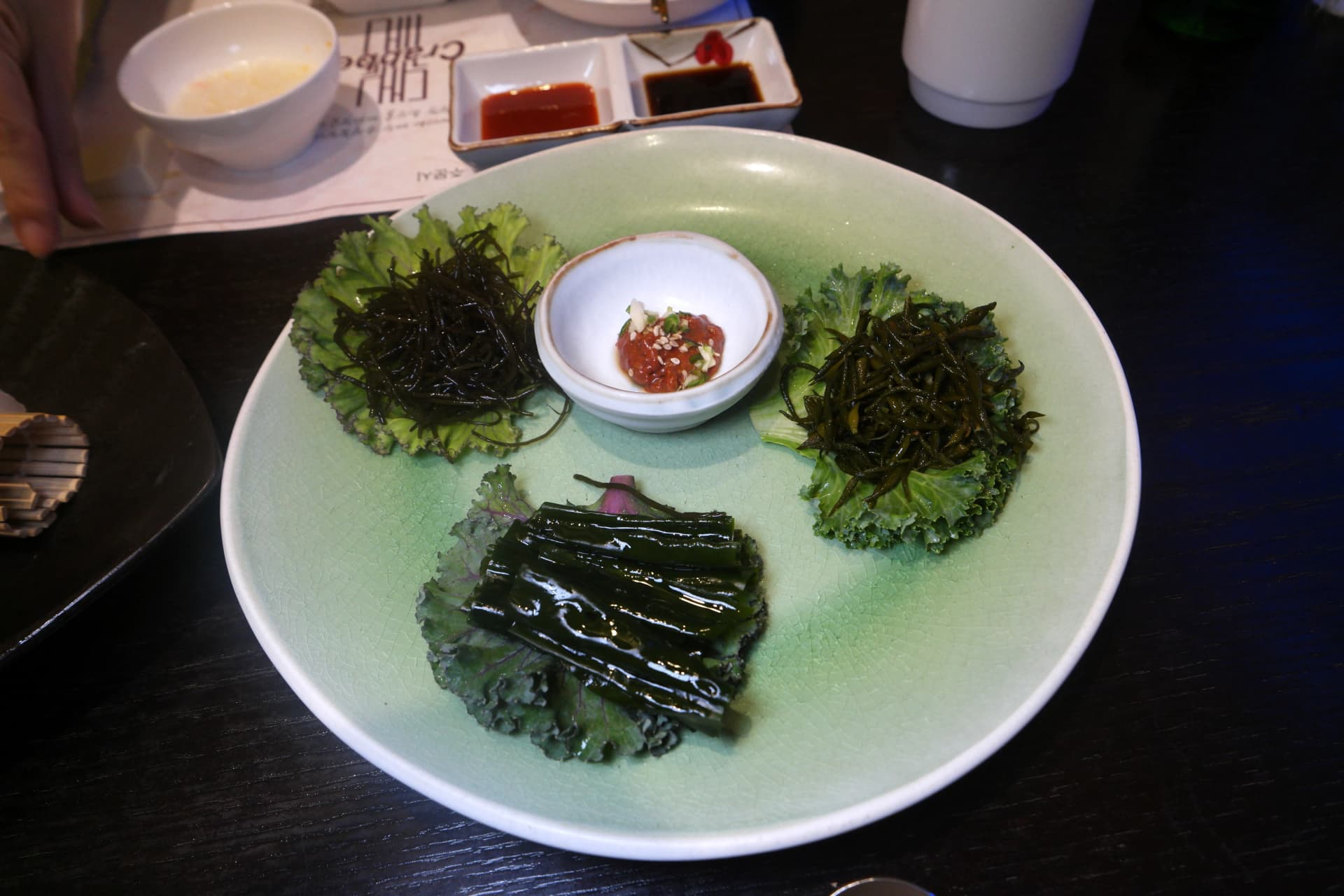
Before the king crab, three types of seaweed come out first. Each variety is placed on a bed of kale with a chili vinegar dipping sauce in the middle. Dip the ocean-scented seaweed lightly into the sauce and it tastes refreshing and clean. It does a perfect job of prepping your palate before the heavy main course arrives.
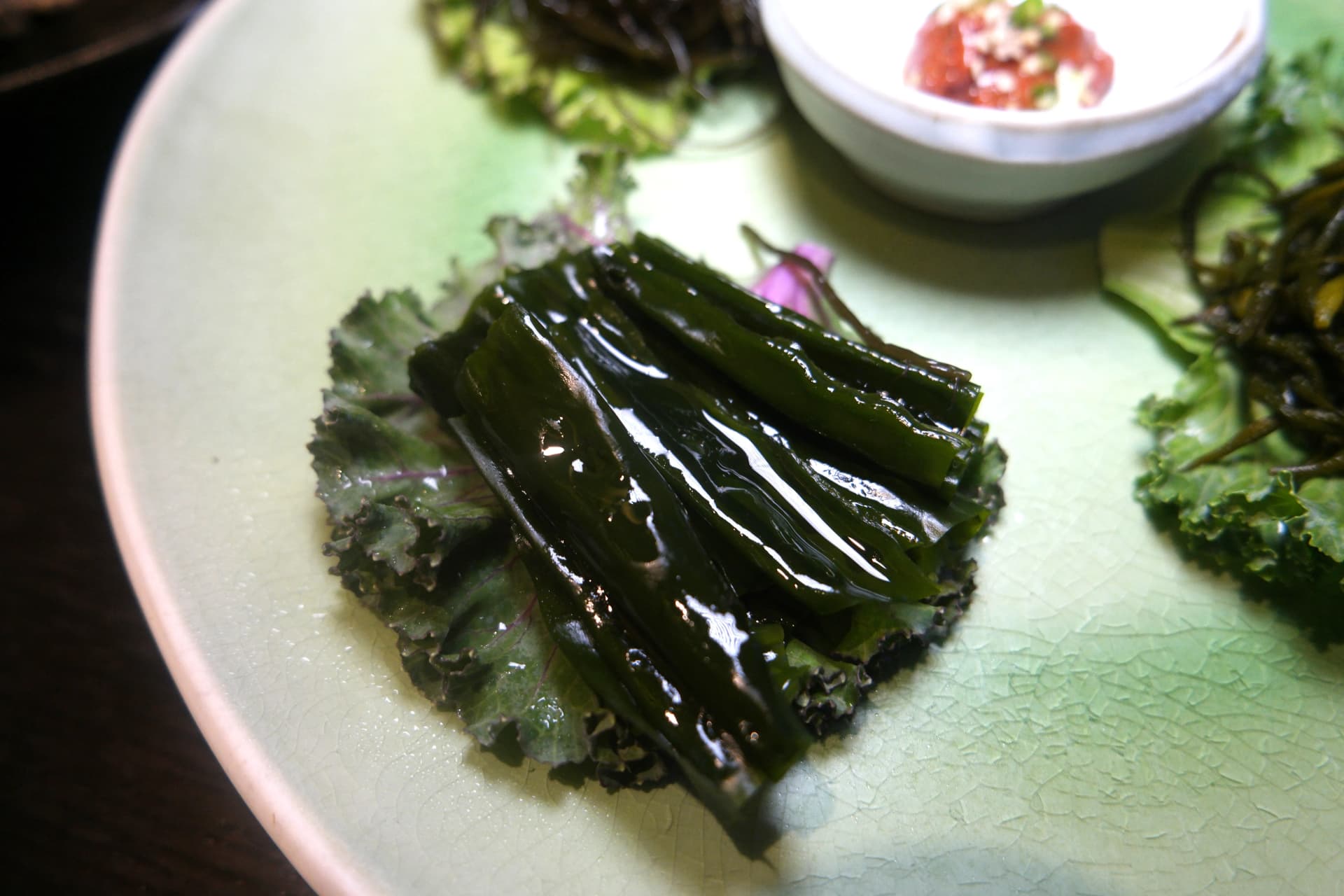
This is miyeok-julgi, or seaweed stems. Seaweed is one of the most common ingredients in Korean cuisine, and this is specifically the stem part. It's wide and thick with a gorgeous glossy sheen, and when you chew it, you get this satisfyingly chewy yet tender texture.
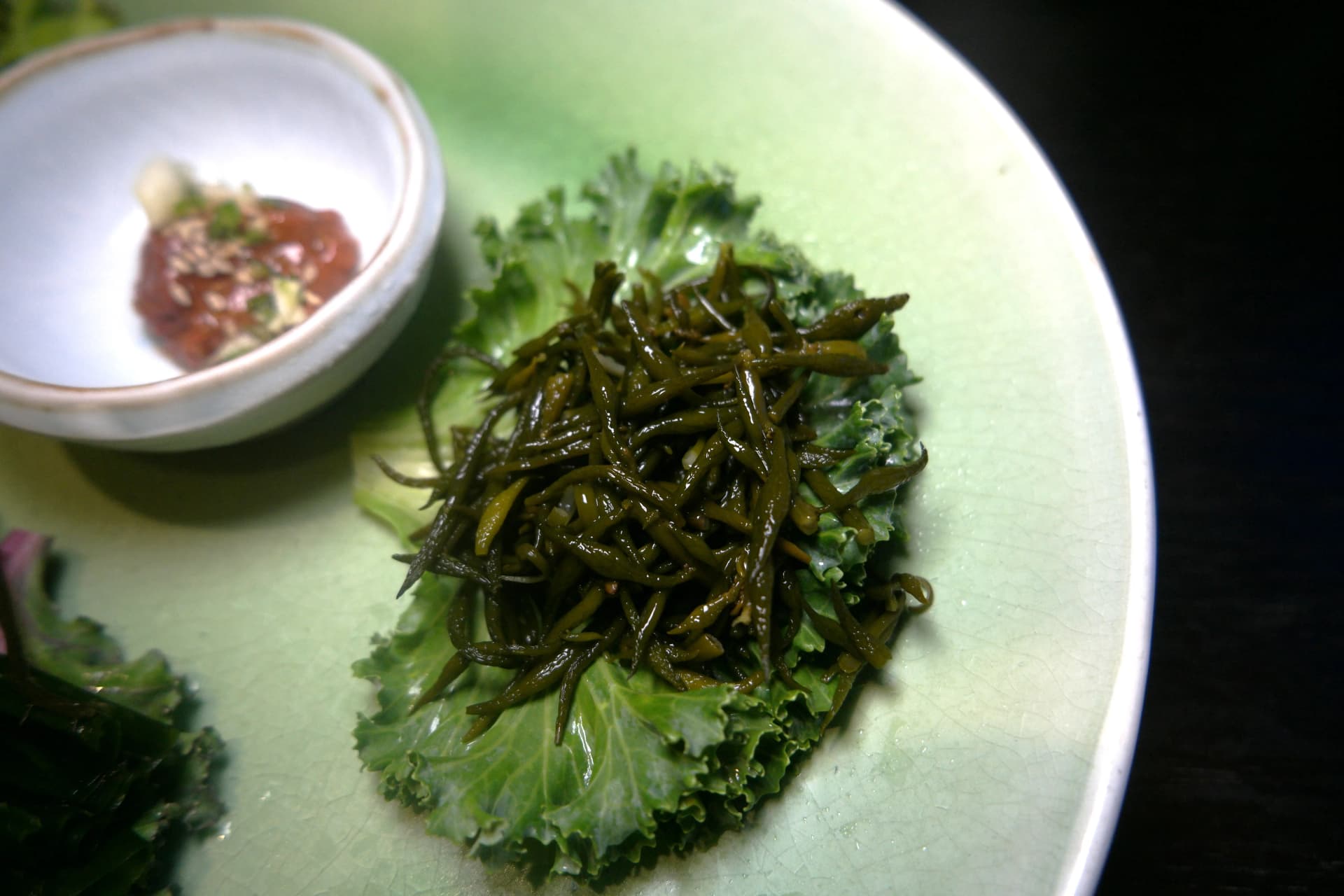
This one is kkosilaegi, a thin, thread-like seaweed. In Korea, it's commonly used in seasoned salads and side dishes. It has this fun, springy chewiness that's oddly addictive — once you start picking at it, you can't really stop.
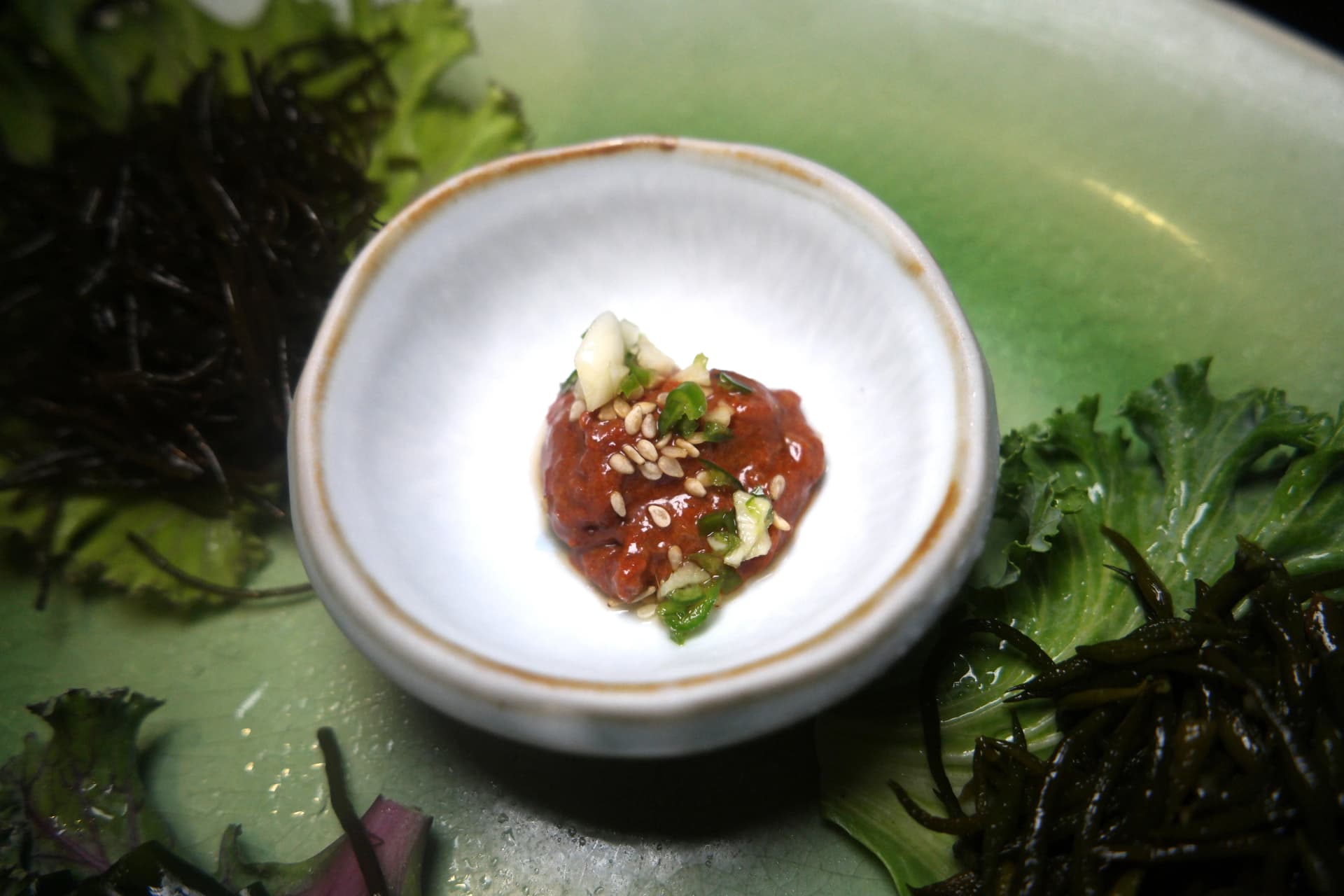
The sauce in the center is chojang — a Korean dipping sauce made by mixing red chili paste with vinegar. It's sweet, sour, and a little spicy, and it's the go-to sauce for dipping seaweed and raw fish in Korea. Topped with sesame seeds and scallions, it has an extra layer of savory depth.
Olive Flounder Sashimi Before the King Crab
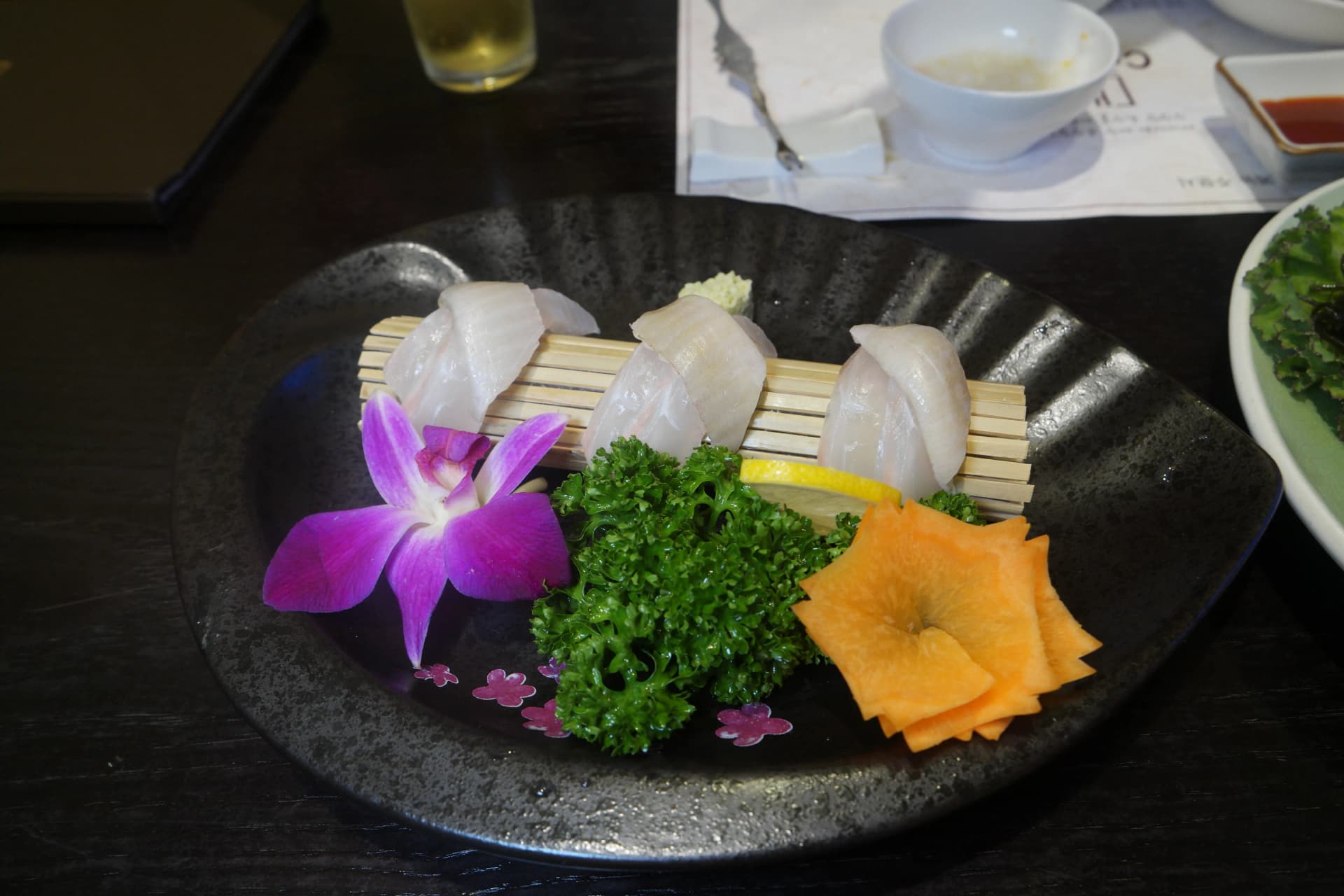
Before the king crab, a mini sashimi course comes out. This is gwangeo, known in English as olive flounder — one of the most popular fish for raw consumption in Korea. Thick slices of the white-fleshed fish are laid out on a bamboo mat, garnished beautifully with orchid flowers, carrot pieces, and lemon slices, making it a feast for the eyes too. Dissolve a tiny bit of wasabi in soy sauce, dip a slice in, and you get the full experience of its clean, delicate flavor and wonderfully bouncy texture.
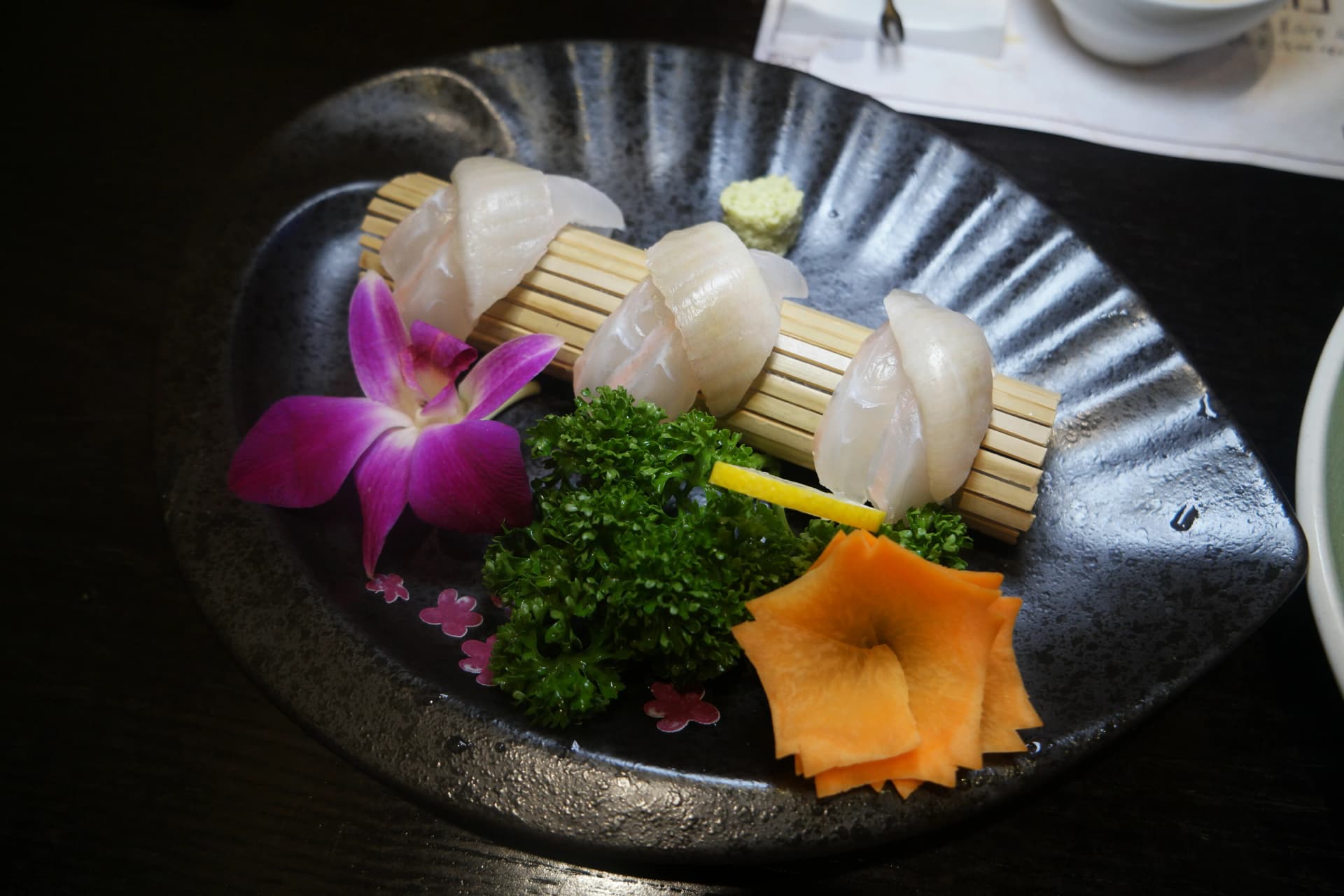
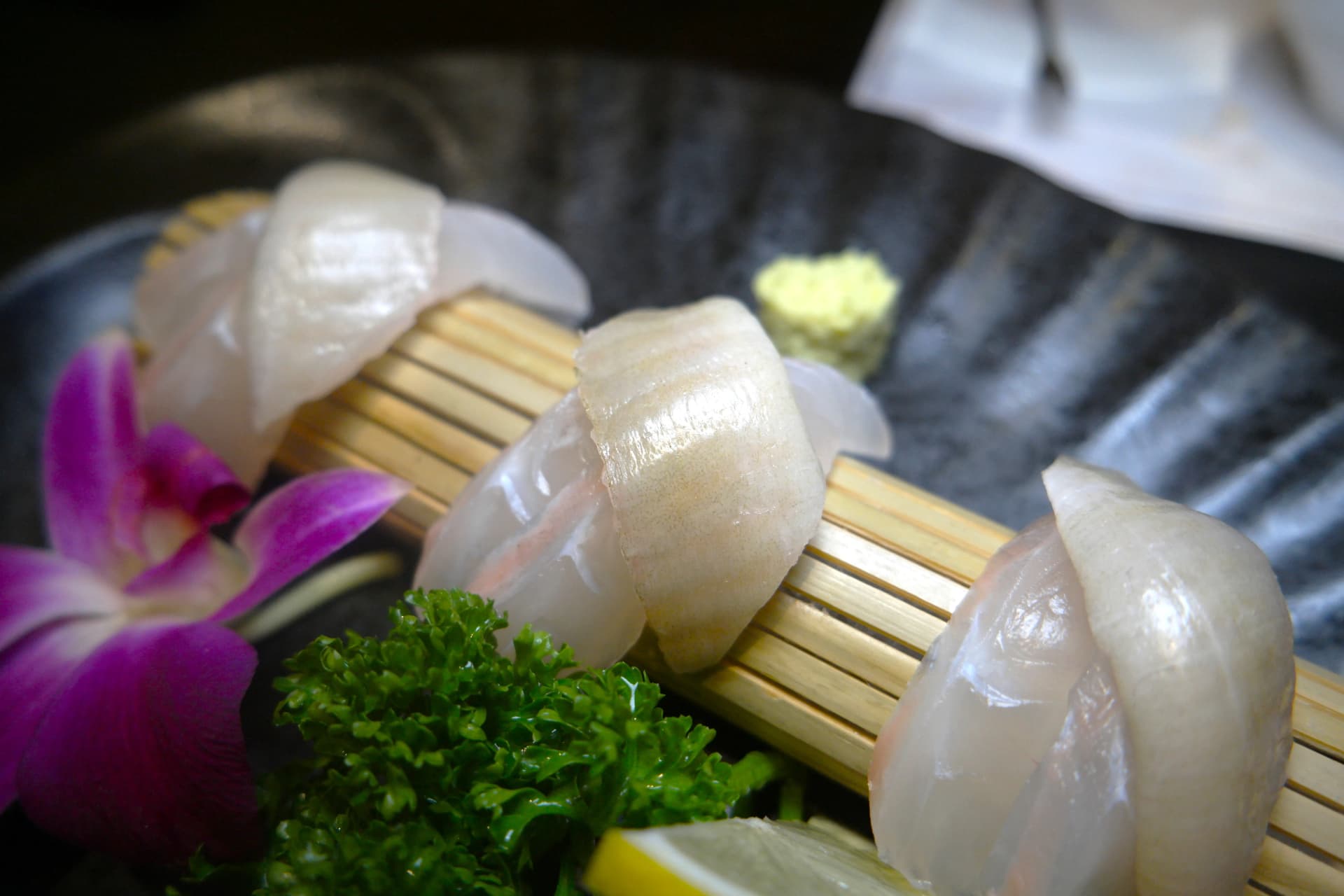
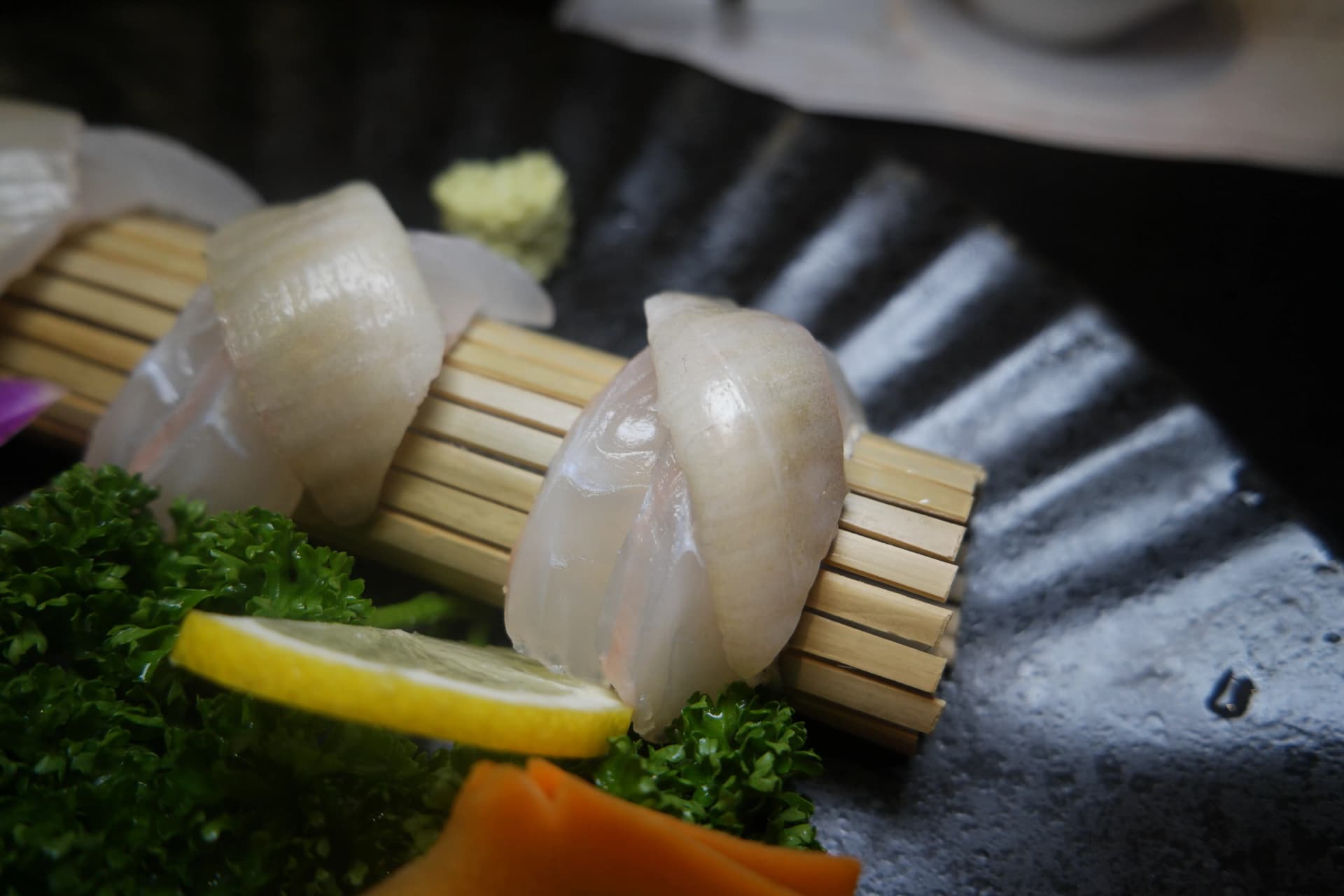
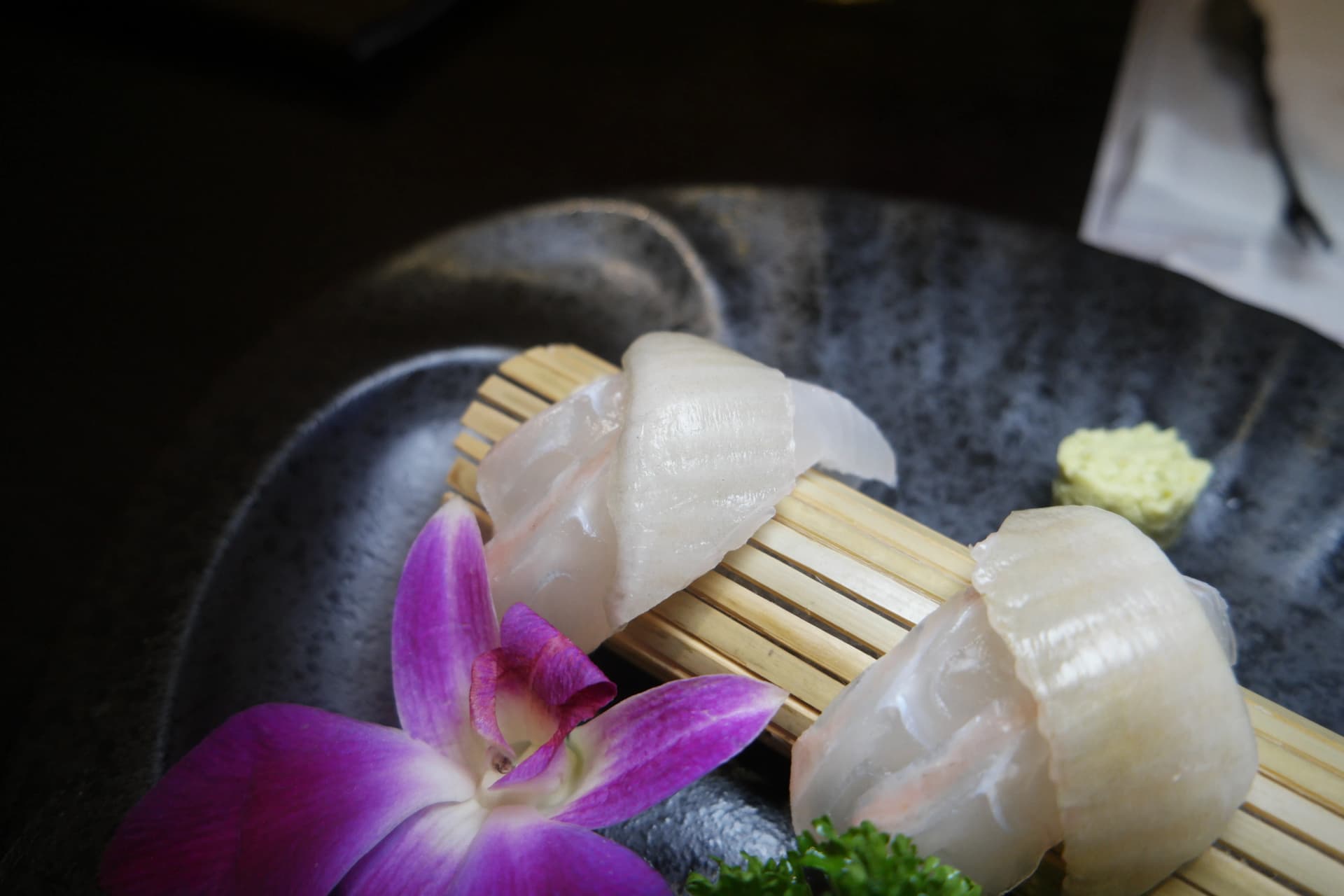
Looking at it from different angles, you can see that signature translucent color of olive flounder that screams freshness. Zoom in closer and you can see the grain of the fish is perfectly intact — that springy, bouncy texture is the real charm of this sashimi. The generous thickness of each slice is impressive too. It's the kind of visual that makes you reach for your phone before your chopsticks.
Sprout Salad – A Light Plate Before the Main Event
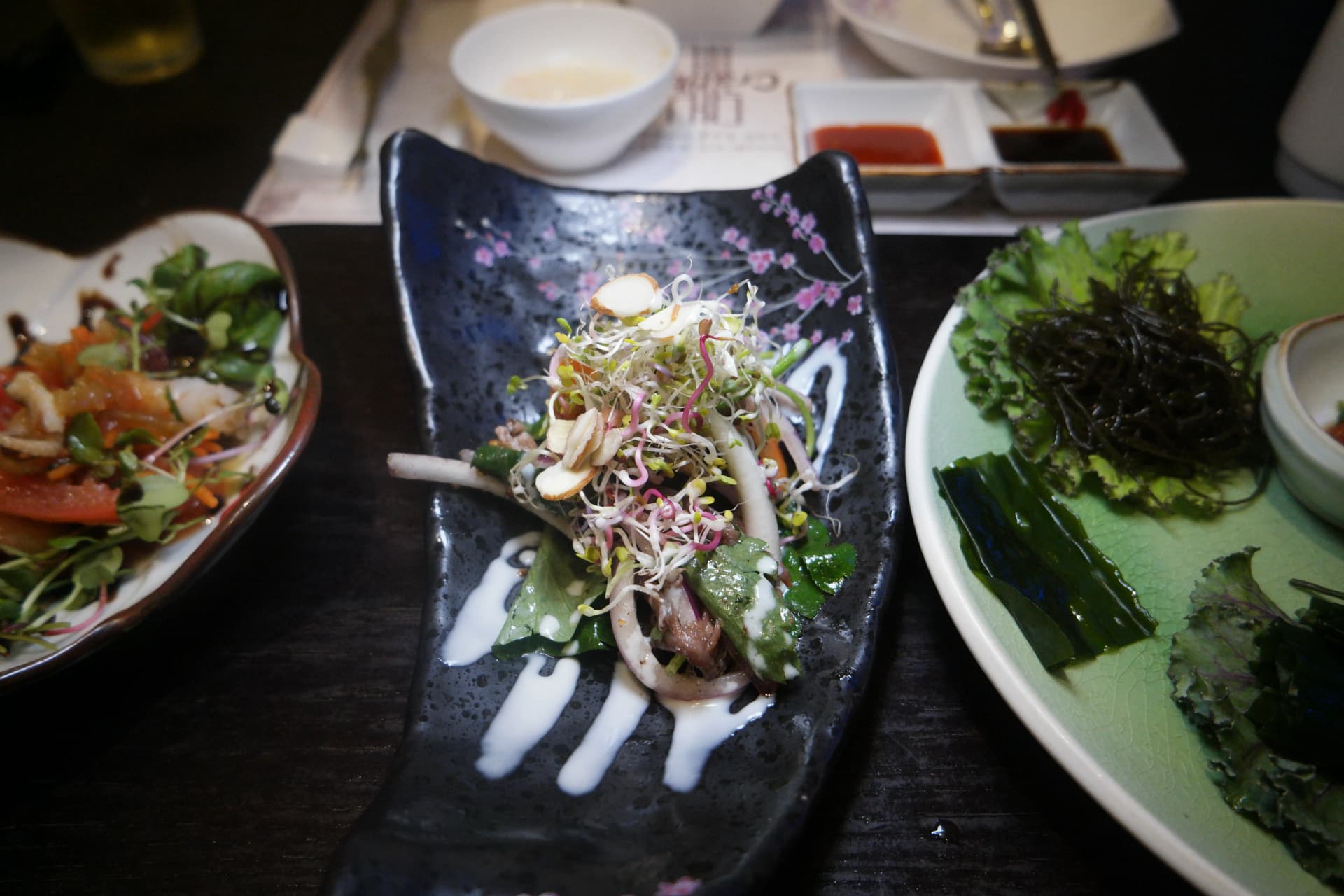
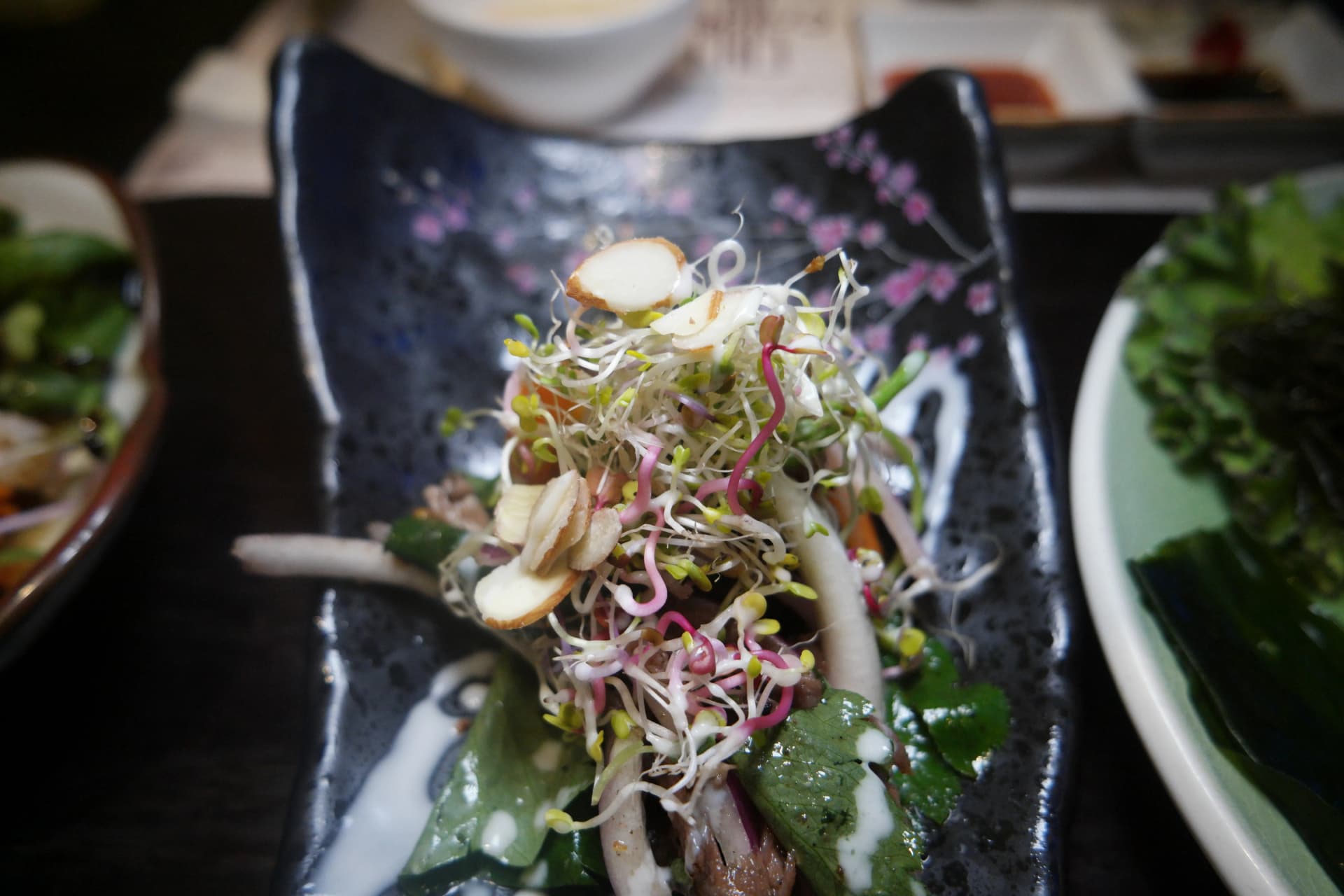
This is a sprout salad. It's loaded with baby greens and sliced almonds, and the white dressing drizzled on top adds a nutty yet refreshing flavor. Having a light salad like this before a heavy main course like king crab really helps cleanse your palate. The crunch of the almonds mixed with the crispness of the sprouts is surprisingly addictive. And the main hasn't even arrived yet — but the table is already looking seriously abundant.
The Star of the Show: Steamed King Crab Arrives
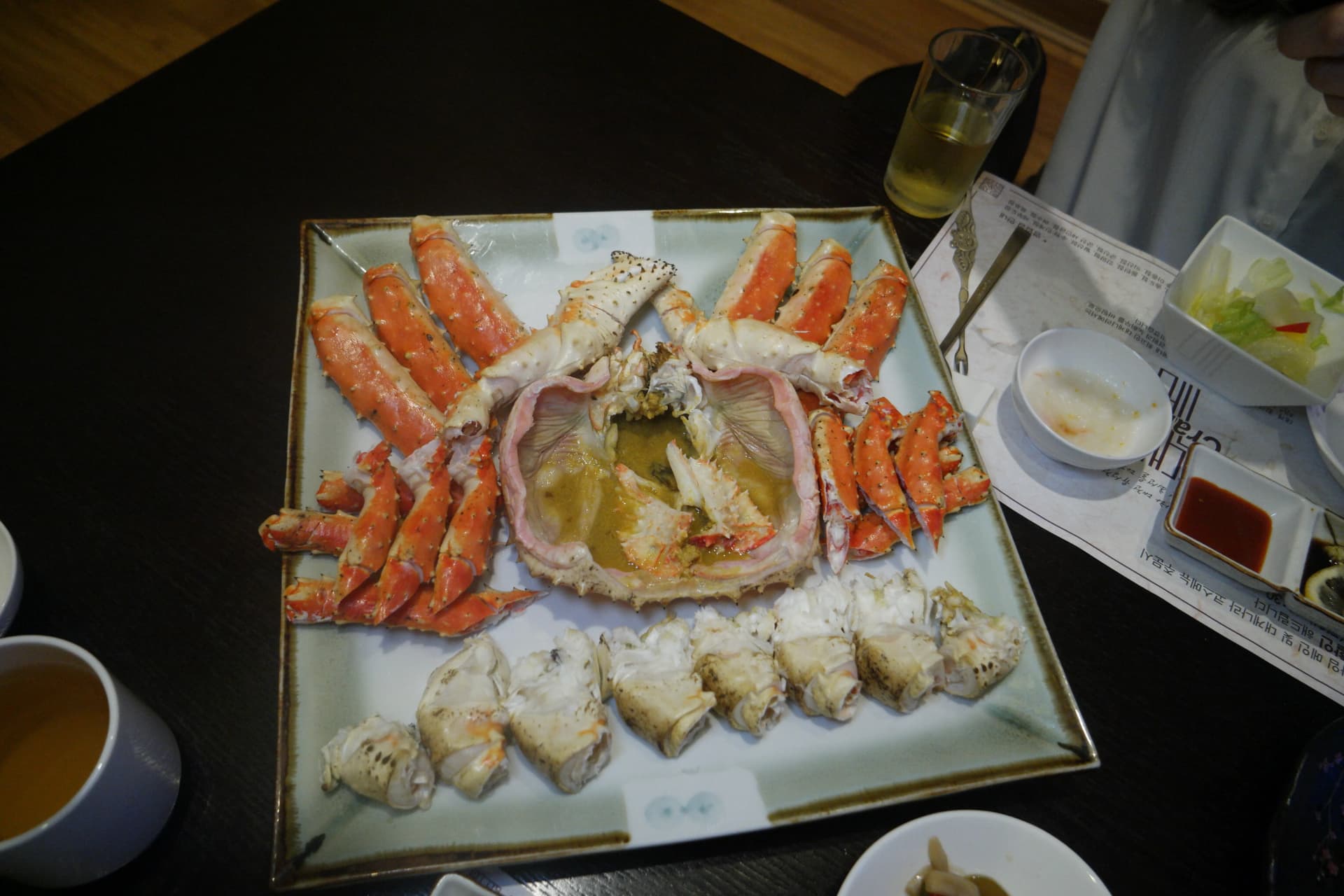
Finally, the star of the show — the steamed king crab — makes its grand entrance. It comes out as a whole crab, steamed and neatly prepared for eating. The shell sits in the center, packed full of crab butter (the innards), while the bright red legs fan out on both sides. Below, the body meat has been cut into bite-sized pieces and lined up in a row. At Korean king crab restaurants, the staff does all the prep work for you, so you don't have to struggle cracking open shells yourself. You just sit down and eat comfortably — and honestly, that's a huge perk of this premium seafood dining experience.
King Crab Leg Meat – Once You Taste This, the Price Makes Total Sense
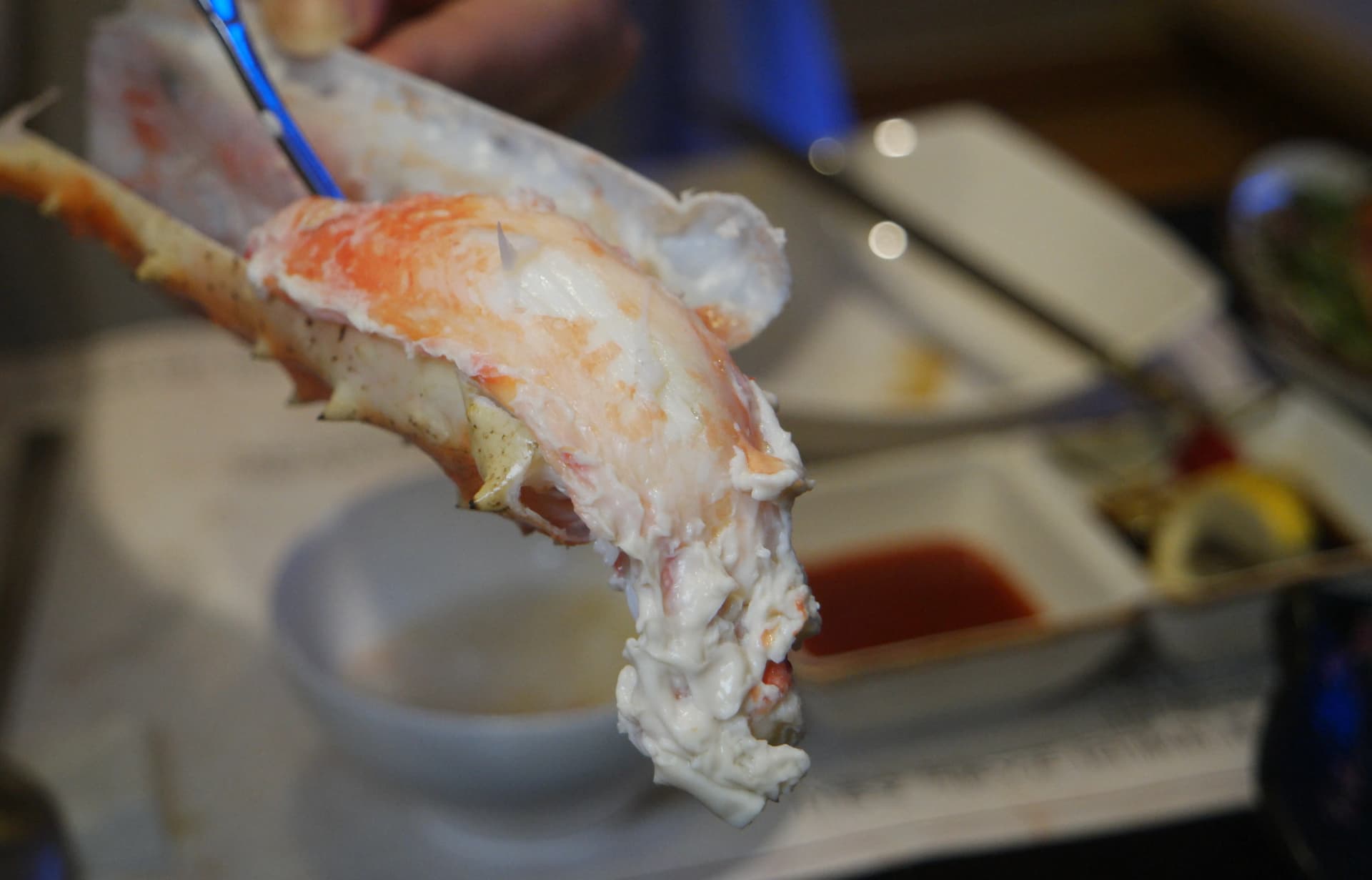
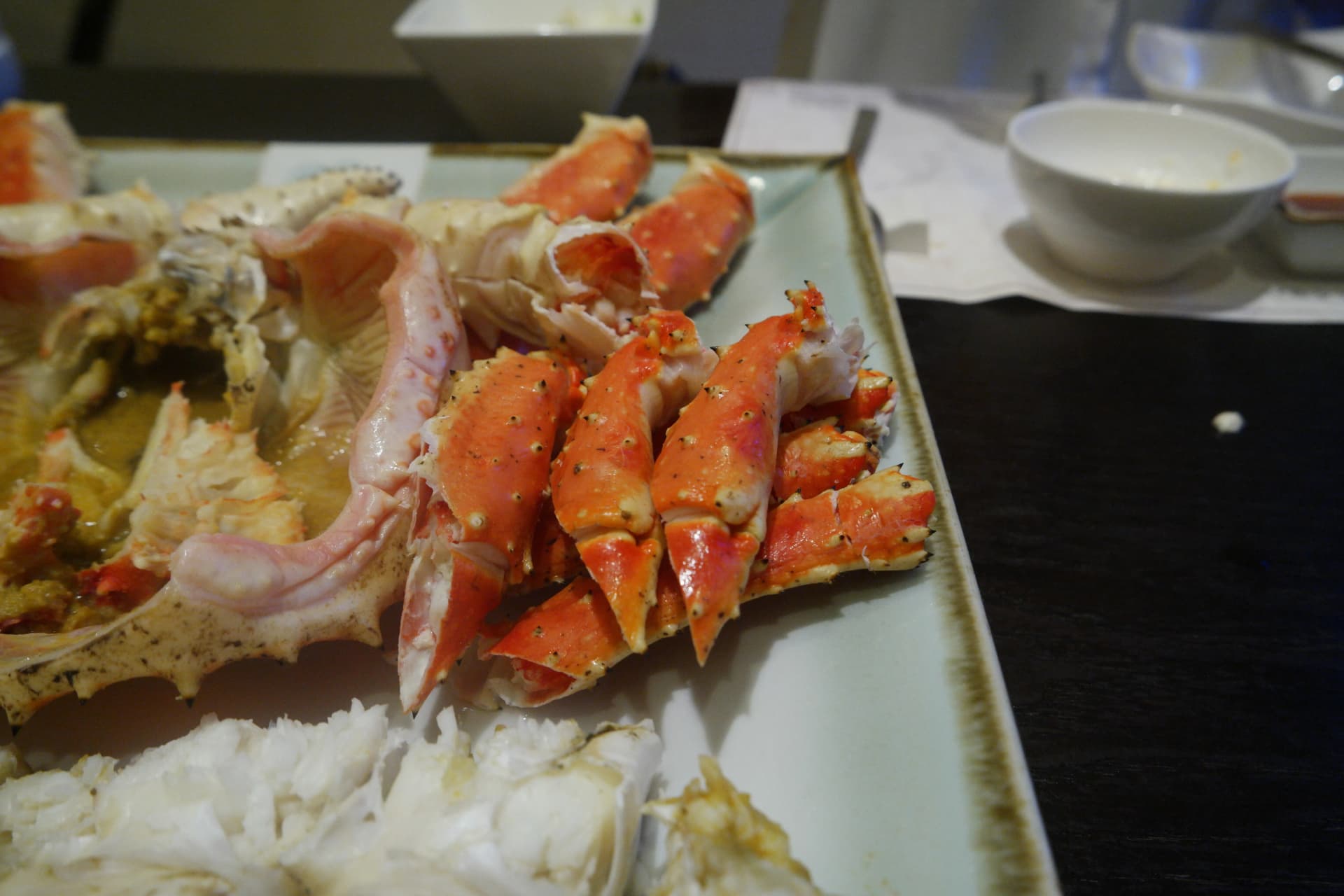
I picked up one of the legs. Peel back the shell just a bit and you can see this plump, white, glistening meat packed tight inside. Pop it in your mouth and this wave of salty-sweet ocean flavor just floods your entire palate. Once you taste this, you completely understand why king crab costs what it costs. The sight of all those red legs packed closely together is pretty intense too — the bumpy texture of the shell and that vivid red color really gets your appetite going.
Body Meat and Crab Butter – Every Part Has Its Own Charm
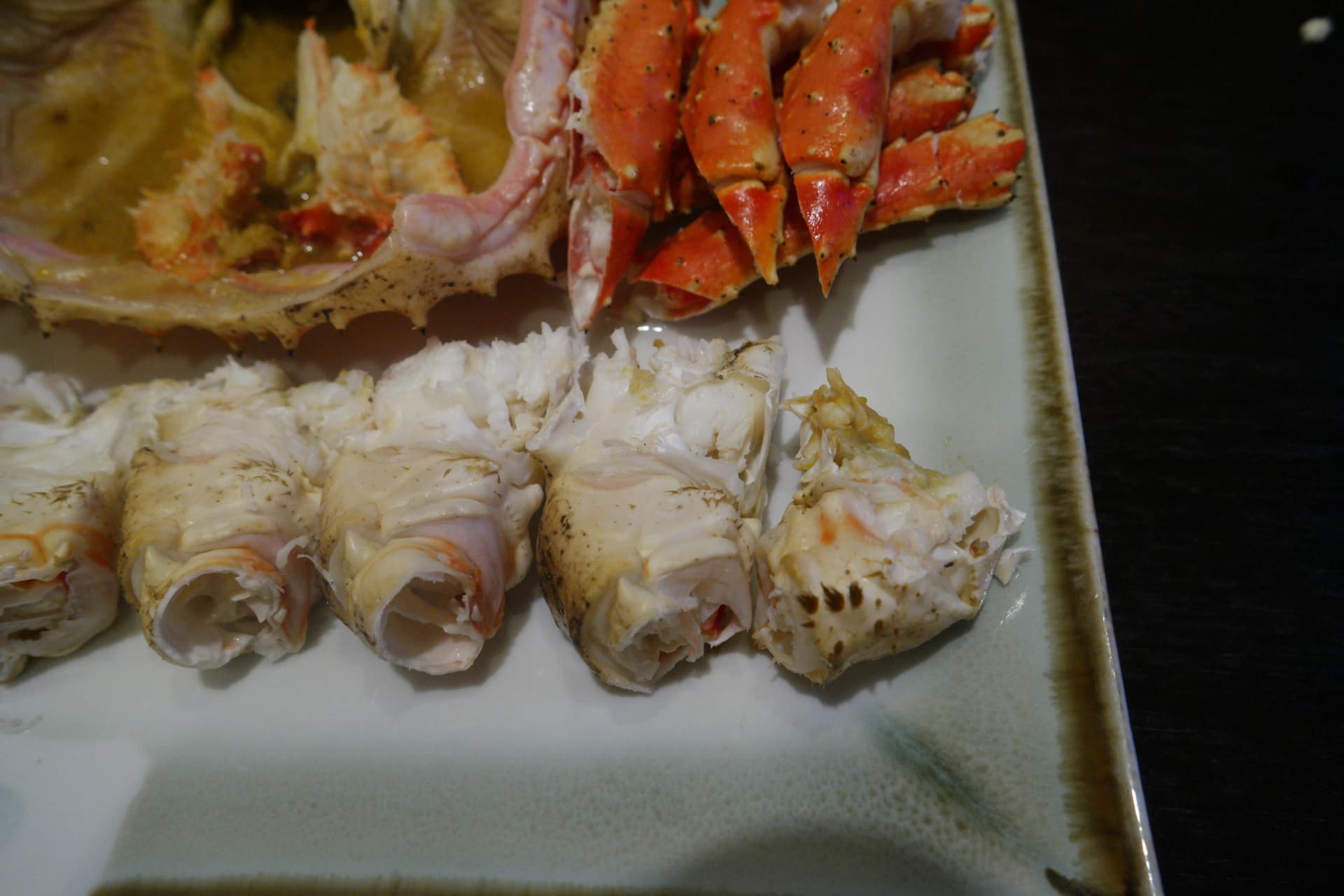
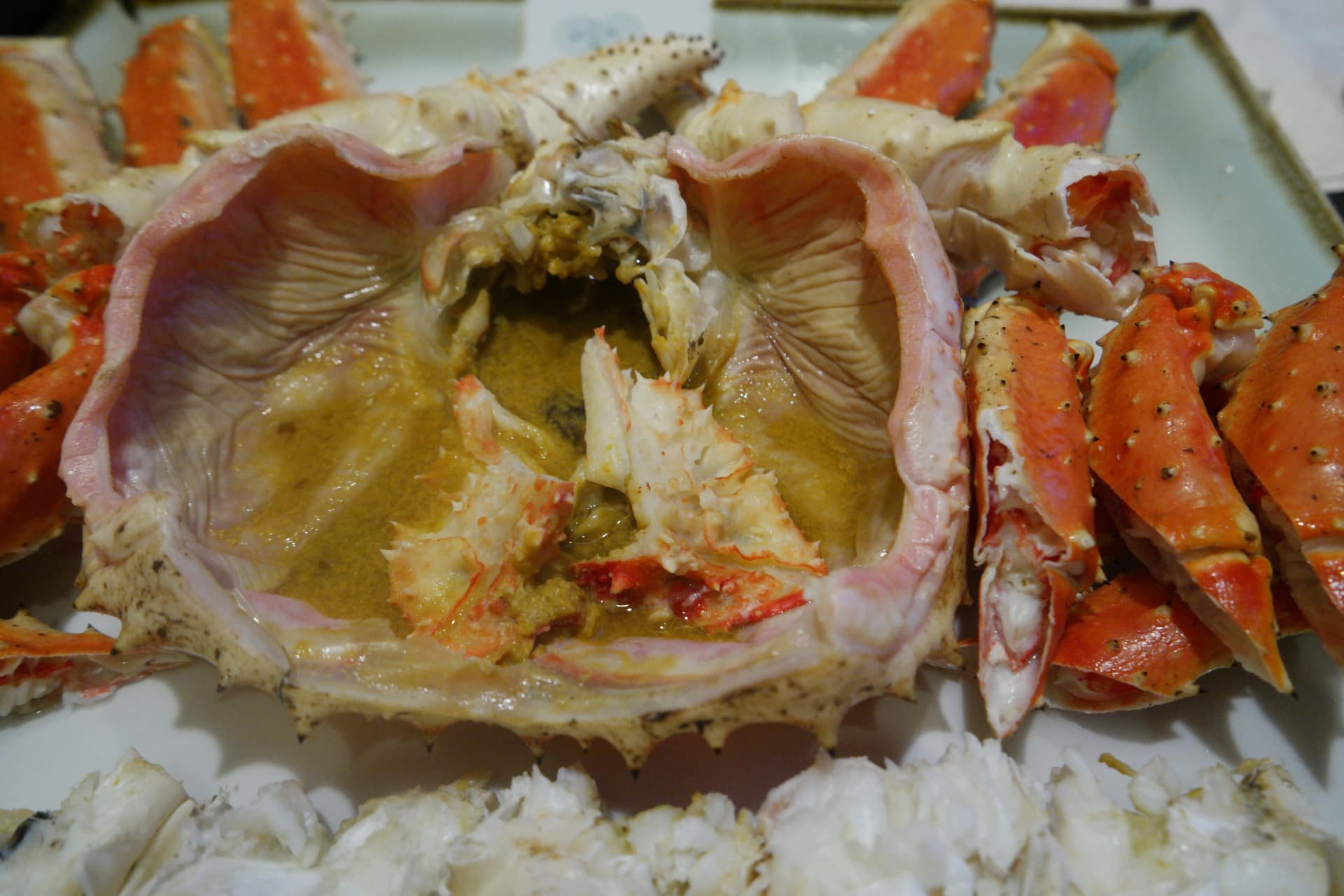
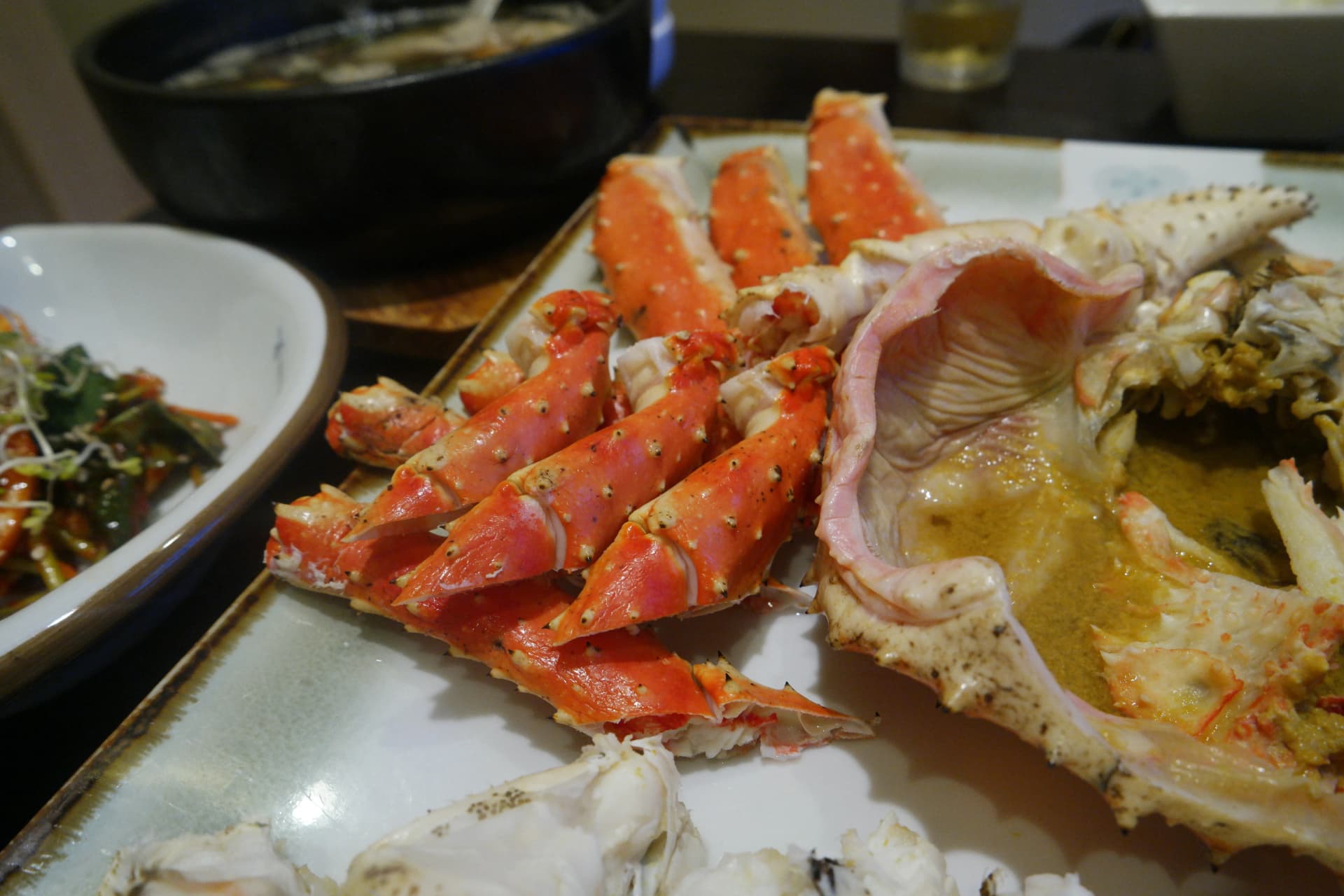
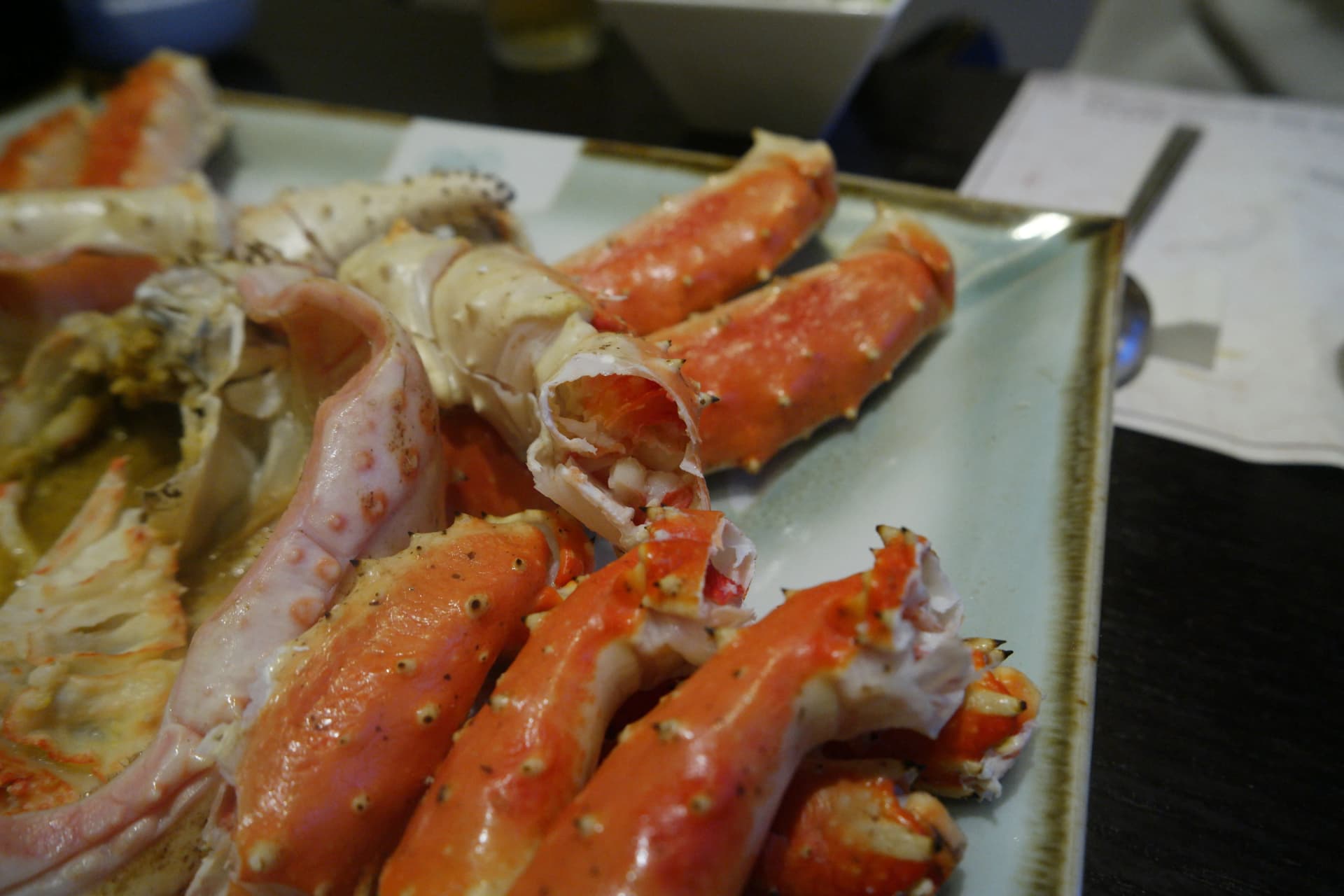
The body meat is cut into bite-sized pieces so you can just grab it with chopsticks and pop it right in. It has a softer, more moist texture compared to the leg meat, which is its own kind of delicious. The crab butter filling the shell is incredibly rich and savory — a true delicacy. Later, they'll mix rice into that shell and stir-fry it all together for the grand finale. Looking at this entire spread laid out on the table, you really start to feel that eating king crab in Korea isn't just a meal — it's an experience.
How to Properly Enjoy King Crab Like a Pro
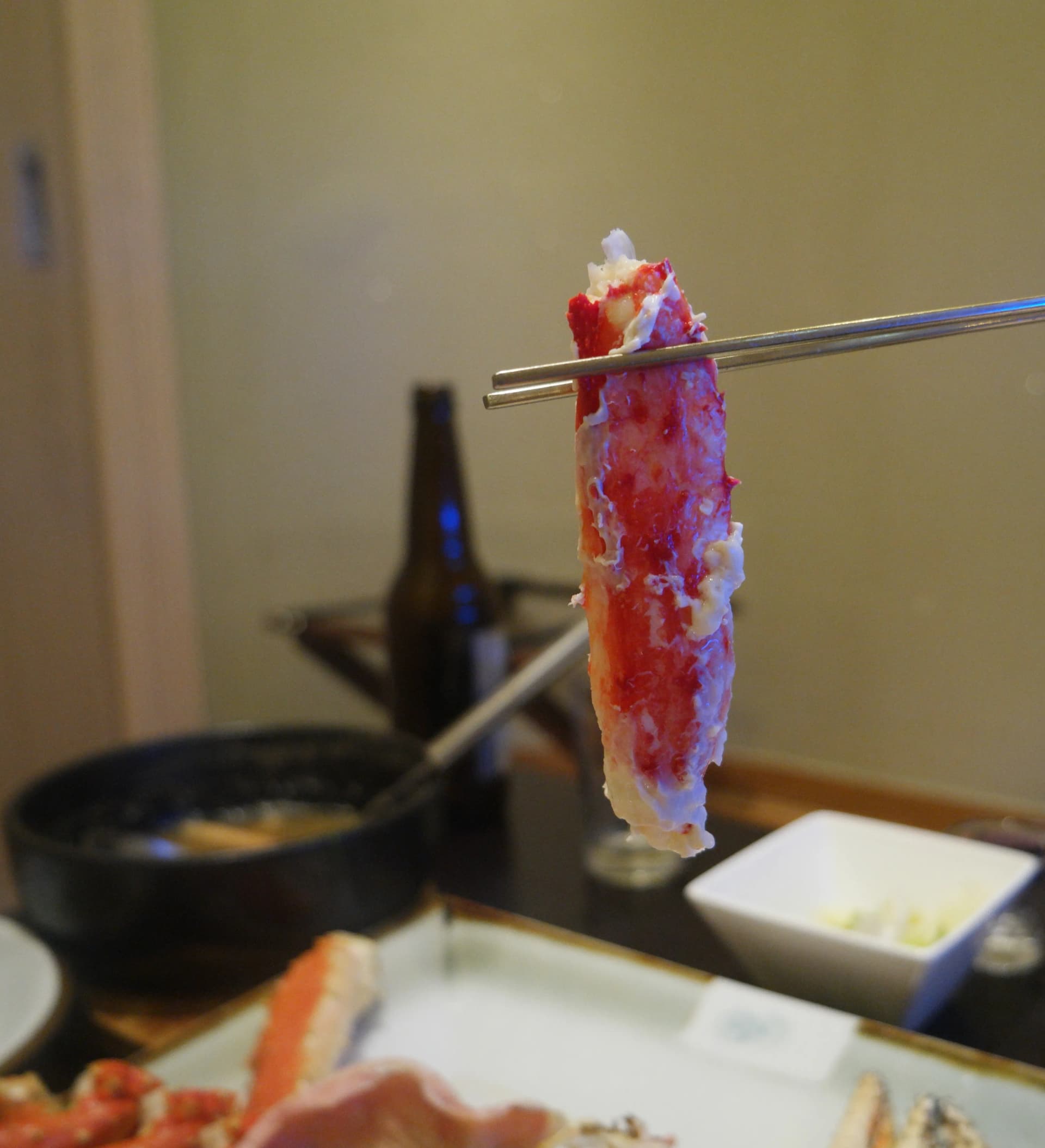
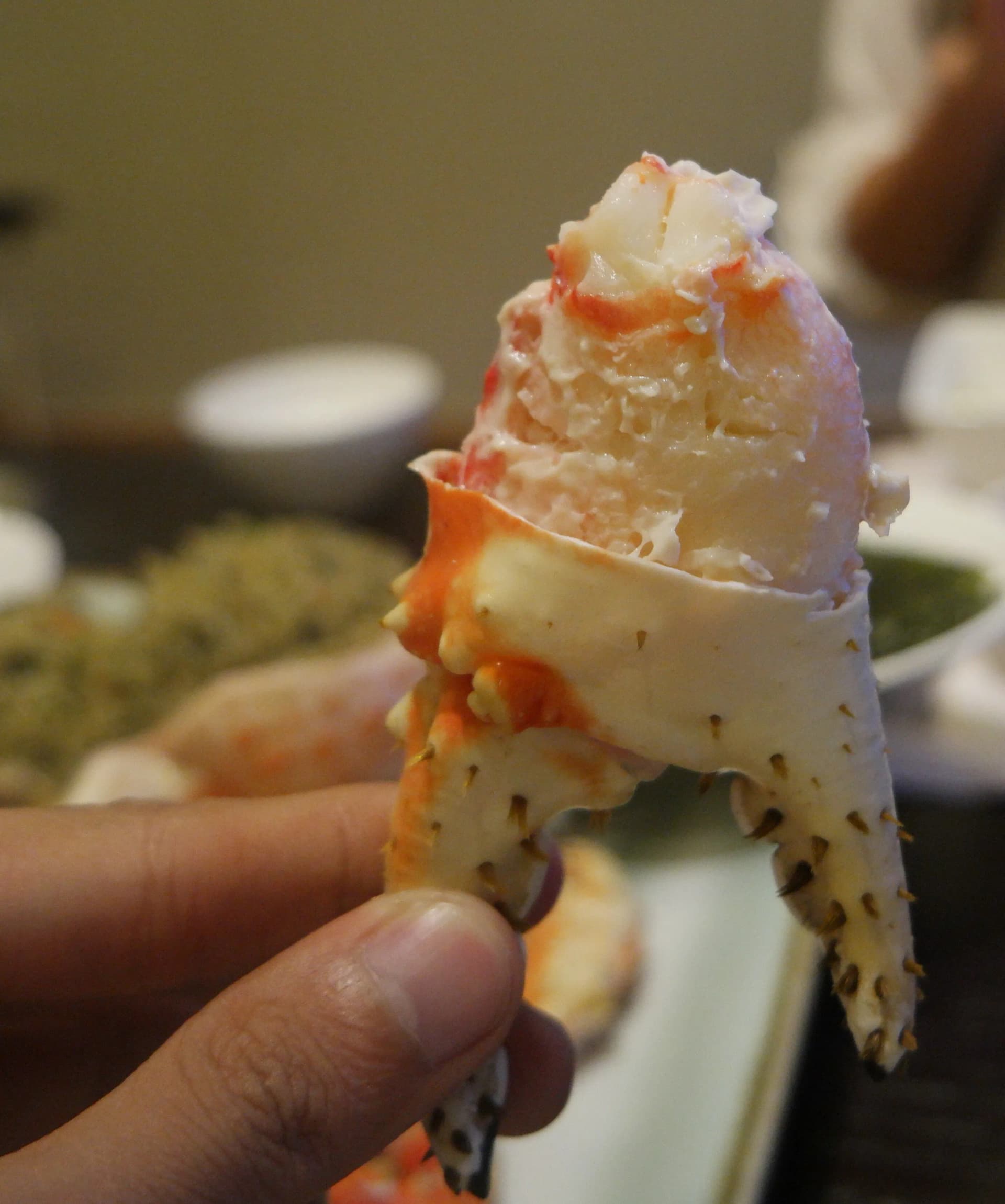
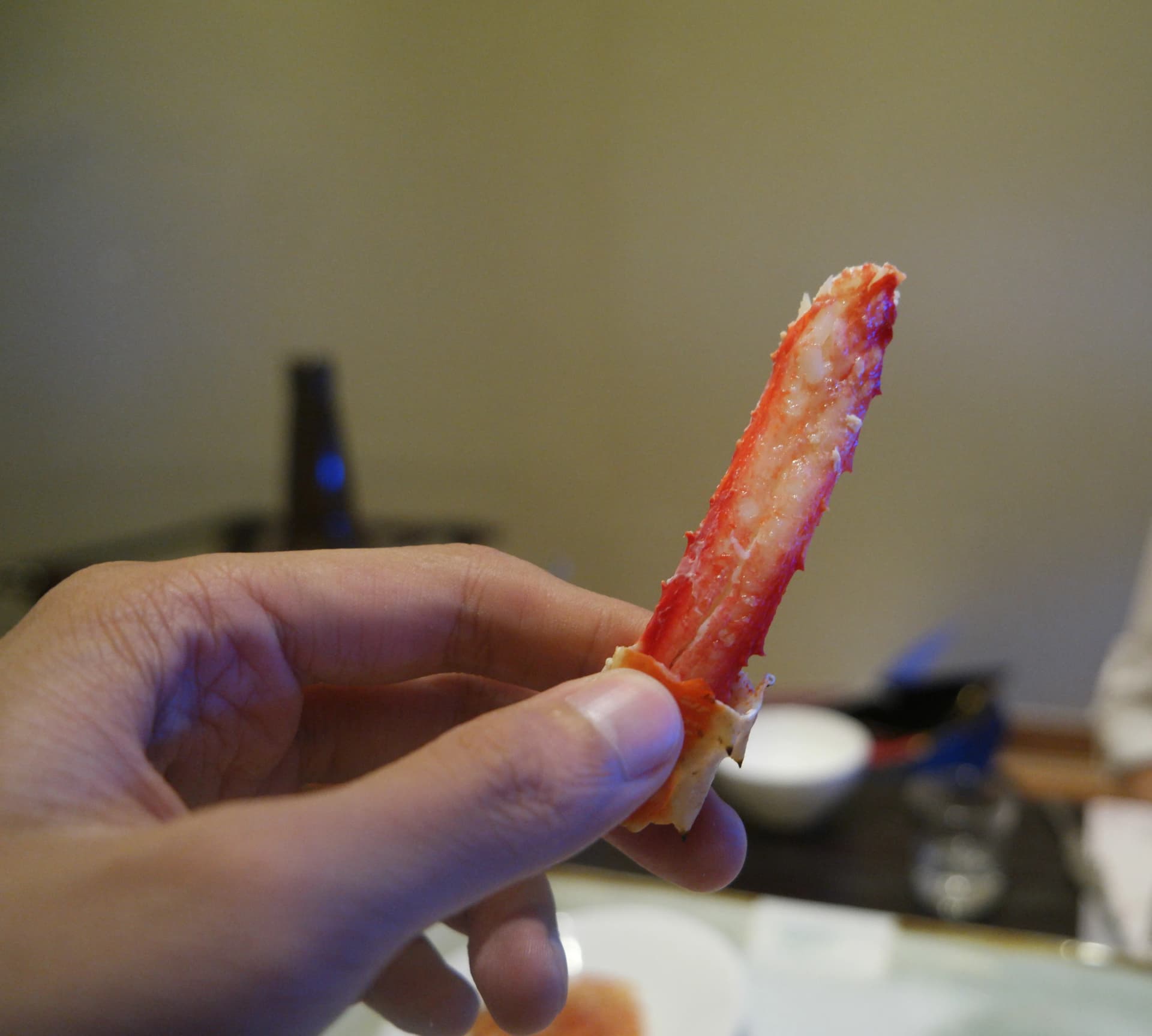
When you pull the leg meat out with chopsticks, it comes out in one long, satisfying piece — and paired with the beer in the background, it's an absolutely killer combo. The best part of the king crab, with the most meat and the best texture, is the giant claw. Pick it up and you can feel its serious heft. Peel off the shell and this huge, white chunk of meat comes out whole. That chewy yet bouncy sensation as it tears apart in your mouth — once you've tasted it, you'll never forget it. Don't skip the small bits of meat at the very tips of the legs either. They're smaller than the main legs, sure, but the meat is actually firmer and more concentrated in flavor, making them a sneaky favorite.
The Grand Finale: Crab Shell Fried Rice and Soybean Stew
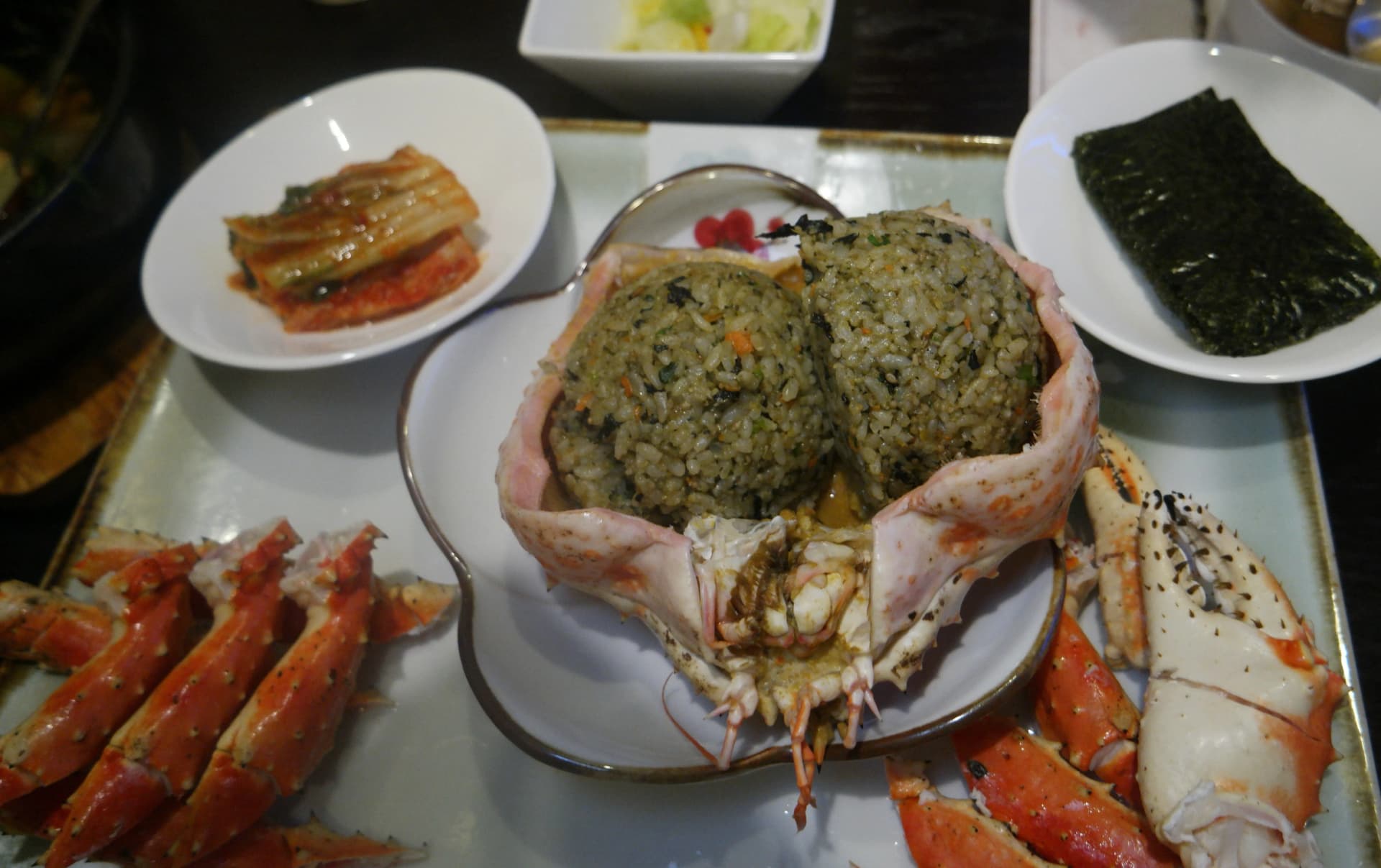
After you've devoured all the king crab, the final course arrives — crab shell fried rice. They take the remaining crab butter and bits of crab meat from the shell, stir-fry it all with rice, and shape it into cute little rice balls. The crab's rich, savory flavor has soaked into every single grain of rice, and the nuttiness is absolutely insane. Wrap a bite in the kimchi and dried seaweed that come on the side, and it's the most perfect ending imaginable.
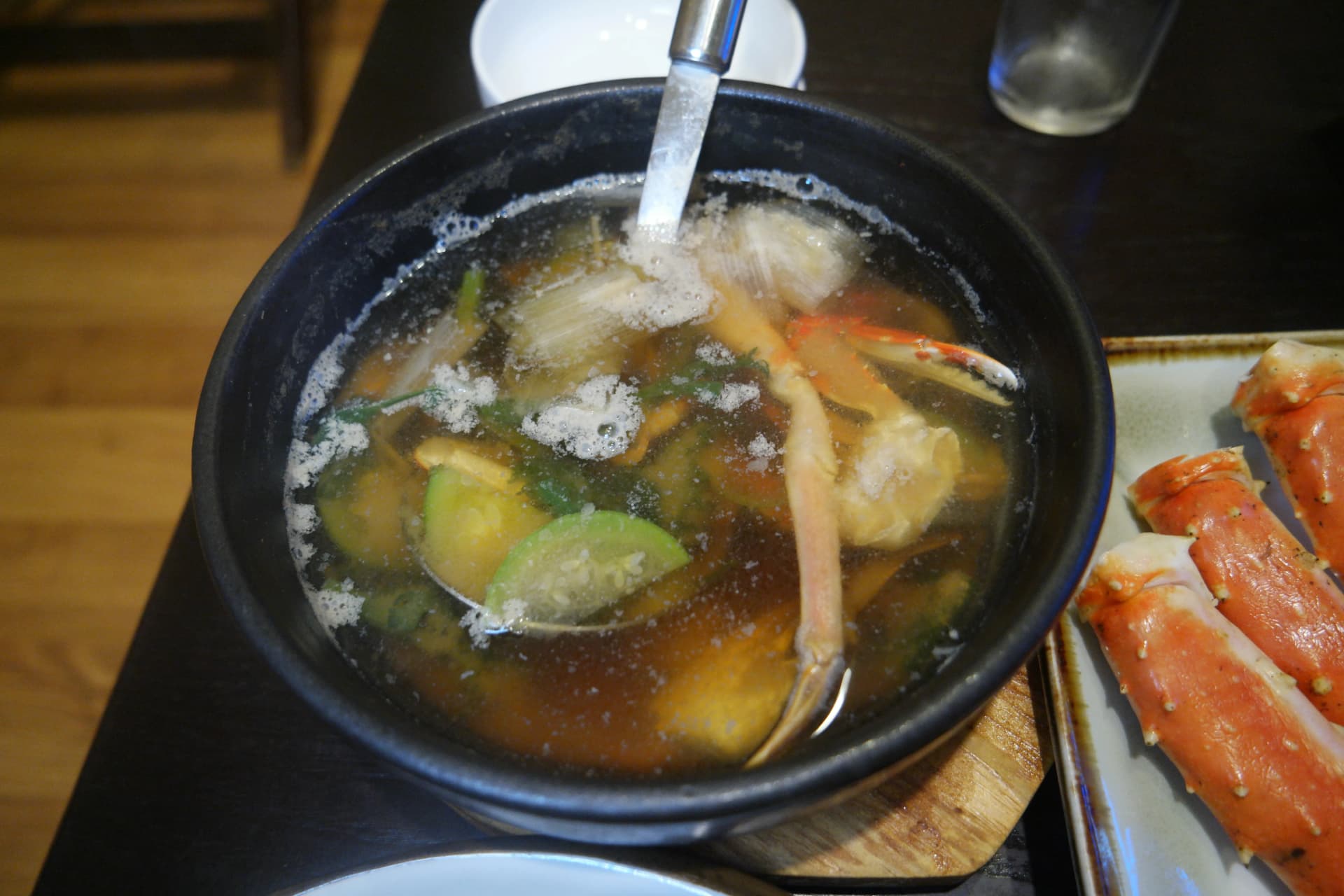
Doenjang-jjigae comes alongside it too. It's a traditional Korean stew made with fermented soybean paste, and inside you'll find zucchini, tofu, and even pieces of king crab leg. After going all-in on king crab, one spoonful of this piping hot, slightly spicy broth just warms you right up from the inside out.
Bonus Sides: Tofu Salad and Braised Fish
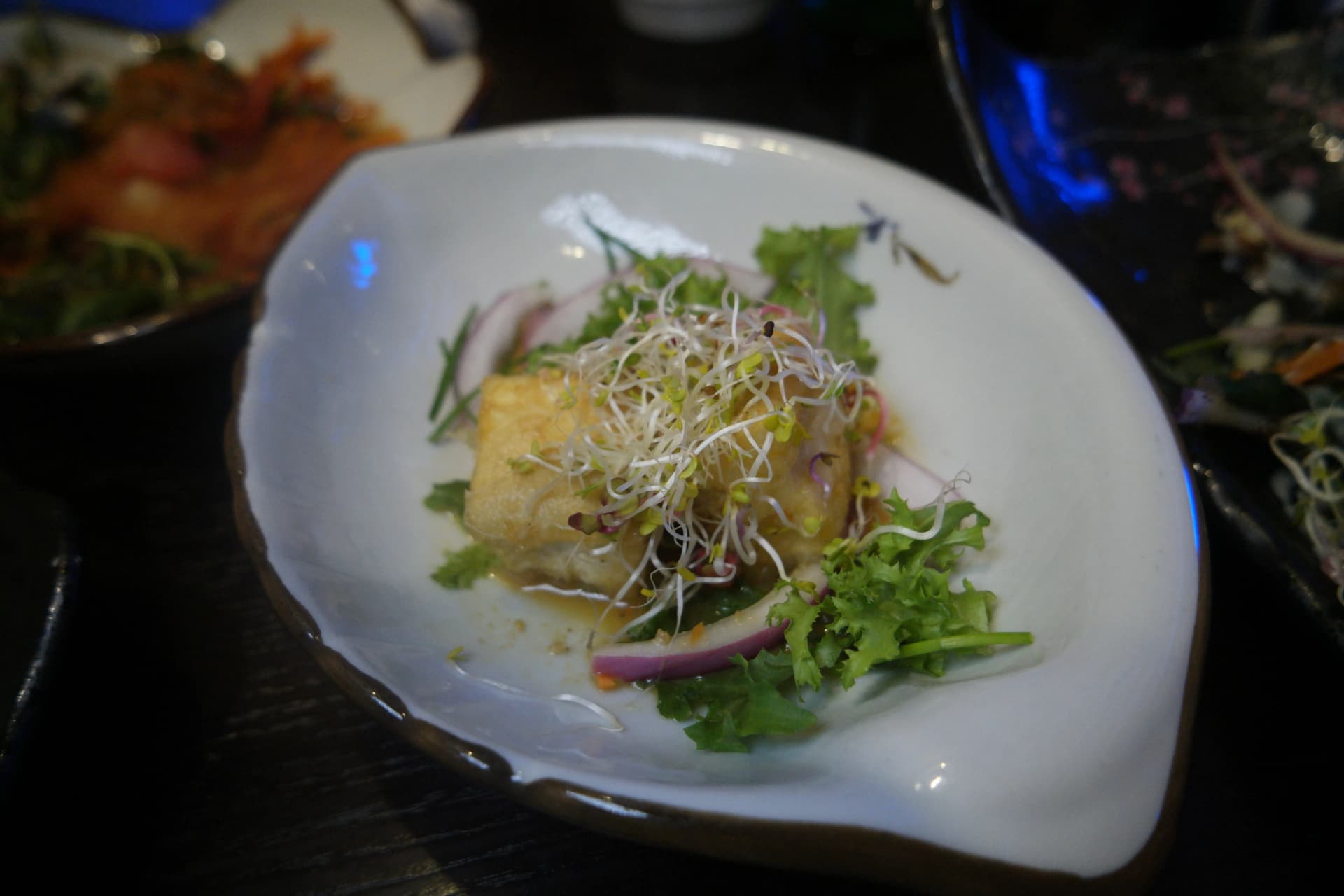
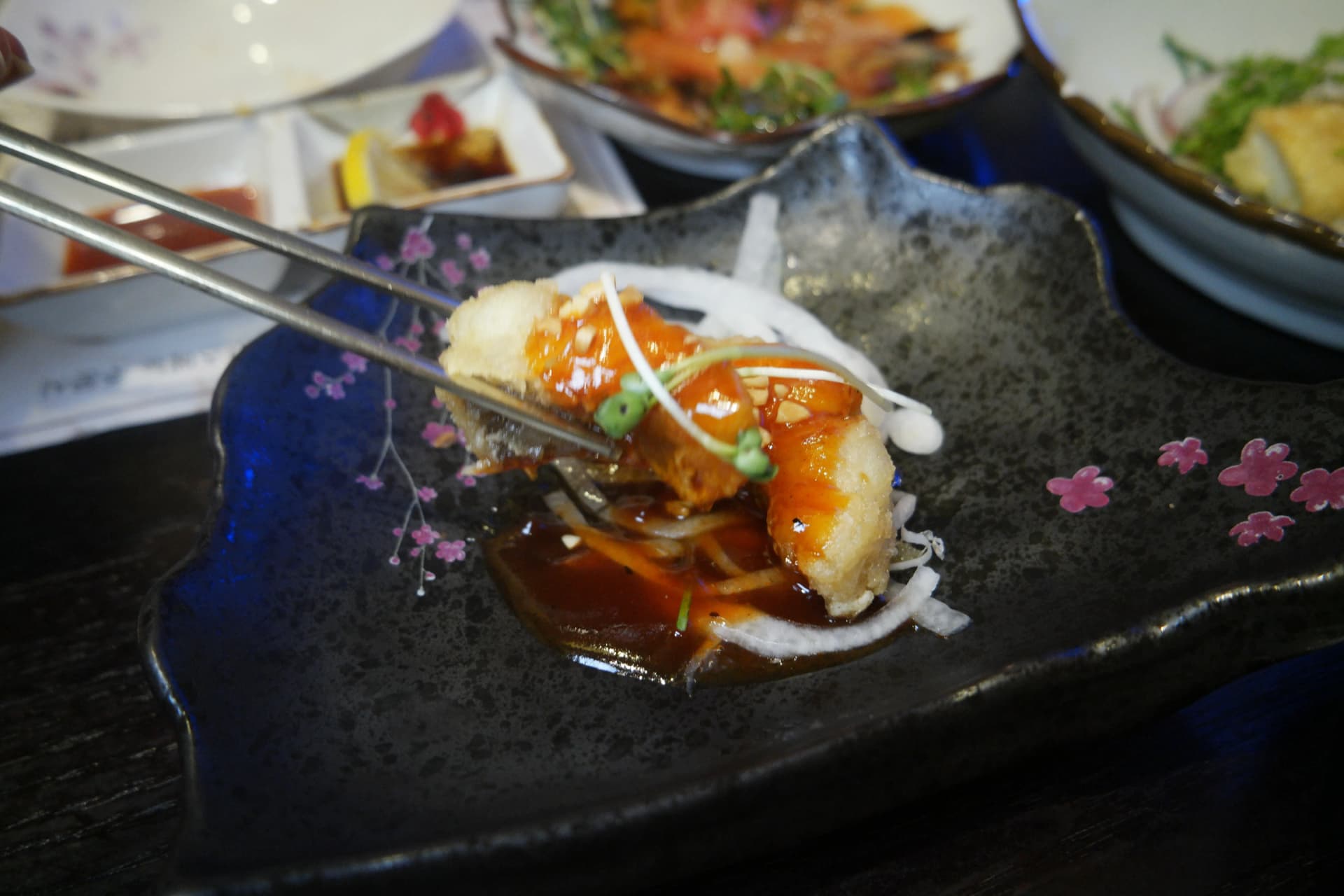
The tofu salad is crispy fried tofu topped with baby sprouts and onions — it's light and clean, perfect for alternating bites with the fried rice. The braised fish is deep-fried and glazed in a sweet-savory sauce with julienned scallions on top. Grab a piece with your chopsticks and eat it with the fried rice — it's the ultimate "rice thief," as Koreans say (meaning it makes you eat way more rice than you planned).
I wanted to sincerely apologize once more to the king crab that gave its life for today's meal… but it was so delicious that my guilt vanished in about three seconds flat. King crab is absolutely worth every penny. If you're traveling to Korea and have some room in your budget for a premium seafood splurge, definitely give it a try. From the dramatic aquarium at the entrance, to the parade of side dishes, to that unforgettable crab shell fried rice at the end — I promise you won't regret it.
This post was originally published on https://hi-jsb.blog.