
8 Side Dishes for $3.50: A Real Korean Home-Cooked Lunch
Table of Contents
11 items
Up until last year, I worked at an office in Daejeon, a major city about an hour and a half south of Seoul. Every day at lunch, three or four of us would head down to the company cafeteria, where one woman — we all called her "imo," which is kind of like calling someone "auntie" in Korean — ran the entire kitchen by herself. Every morning she'd go to the market alone, prep everything, and cook it all from scratch. The home-cooked Korean meal she put together was different every single day. Some days it was fish, other days the stew changed, and the side dishes rotated slightly, but the basic framework was always the same: rice, one stew, and five or six side dishes. In Korea, this kind of meal is called baekban, and it's essentially the exact same thing Korean families eat at home every day.
When most people think of Korean food, they picture BBQ, bibimbap, or tteokbokki. But what Korean office workers actually eat for lunch is this kind of humble, everyday set meal. You scoop some stew over your rice, pick up a piece of seasoned vegetables with your chopsticks, place a bite of fish on top, and eat it all together with a spoonful of rice. That was lunch, every single day. And this meal cost 5,000 won — about $3.50. Over eight different banchan side dishes spread across the table for $3.50. Even thinking about it now, that's almost absurdly cheap. It's like getting a full home-cooked spread for less than the price of a coffee at Starbucks.
Today I want to walk through every dish that showed up on that table, one by one.
Pan-Fried Croaker: The Everyday Korean Fish
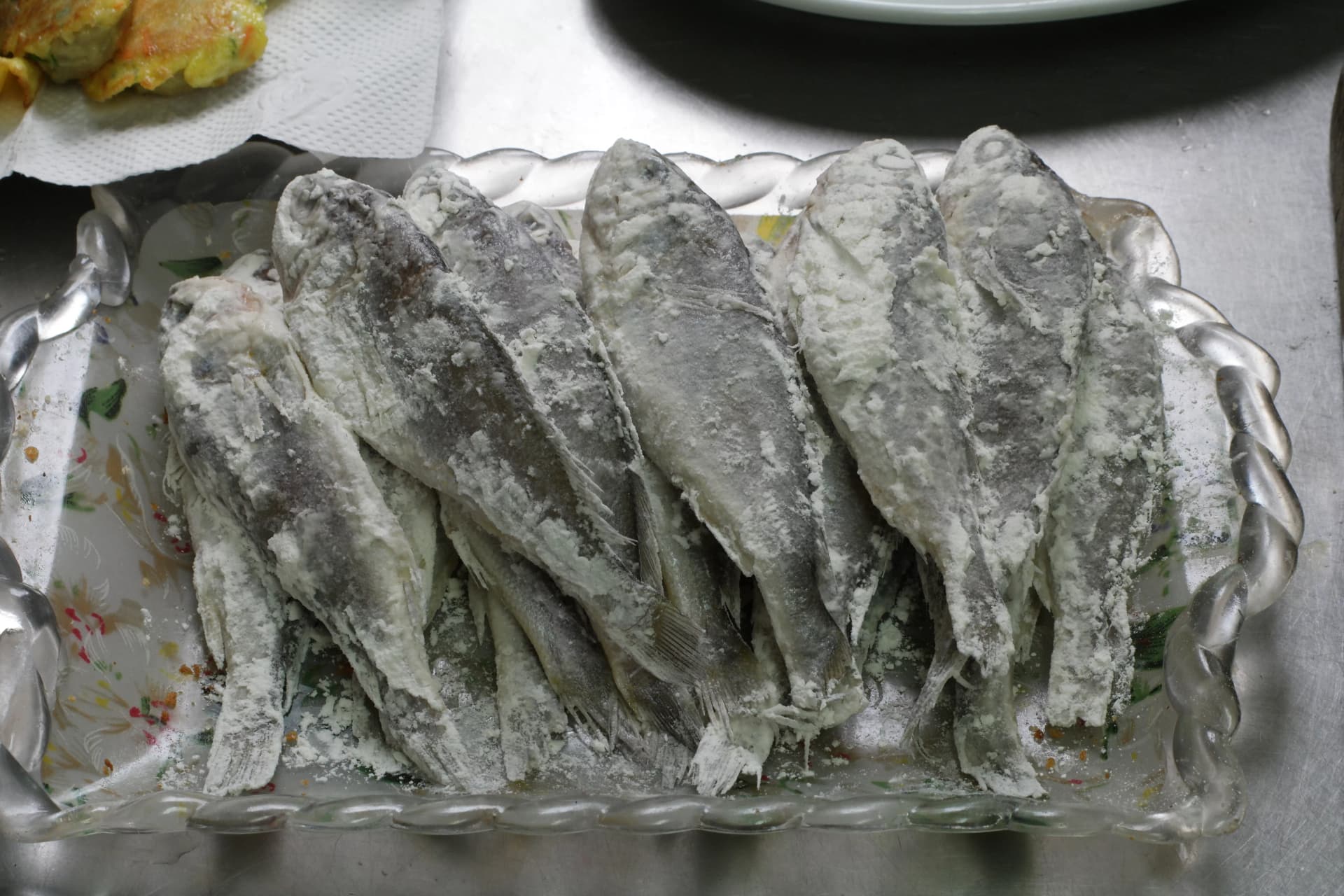
Pan-fried yellow croaker, called jogi in Korean, is one of the most common home-cooked fish dishes in the country. It's a small, mild-flavored fish that gets coated in flour and shallow-fried until golden — and it shows up on Korean dinner tables almost as often as salmon shows up in American kitchens. Here, the fish have been coated in flour but haven't hit the oil yet, so they look chalky white, almost like they've been powdered. Imo had rolled each one by hand, front and back, and once they were lined up on the plate like this, it meant they were about to go into the pan. Croaker holds a special place in Korean food culture — it's one of the fish that appears on ancestral ritual tables during Chuseok (Korean Thanksgiving) and Lunar New Year, and it's a common gift-set item during the holidays. But frying it up in flour like this isn't a holiday thing at all — it's just regular, everyday Korean home cooking.
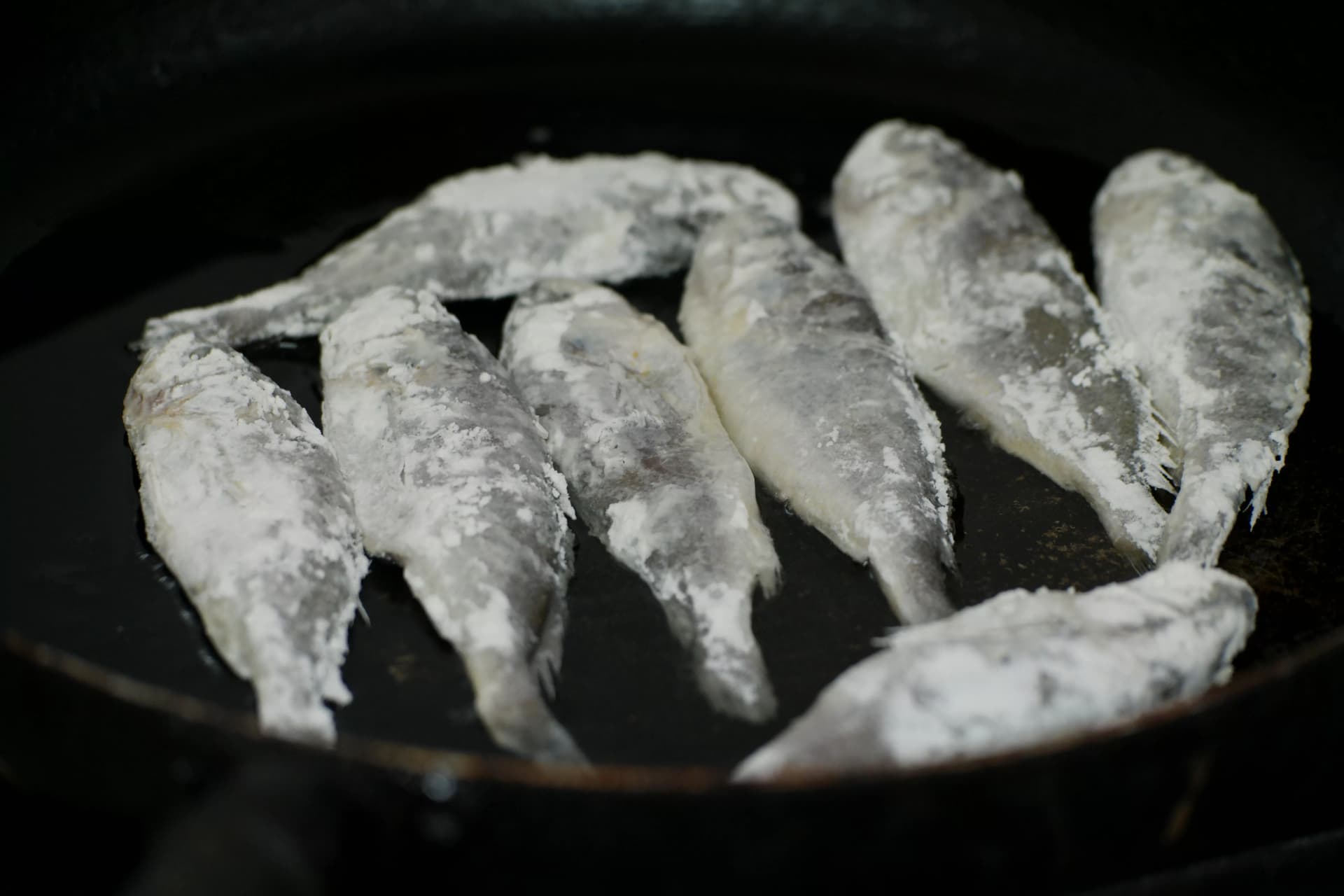
Into the oiled pan they went. As soon as the sizzling started, you could smell that nutty, toasty aroma drifting across the whole cafeteria. It didn't matter if you were sitting on the opposite side of the room — someone would inevitably announce, "Fish today," and suddenly everyone was looking forward to lunch just a little more.
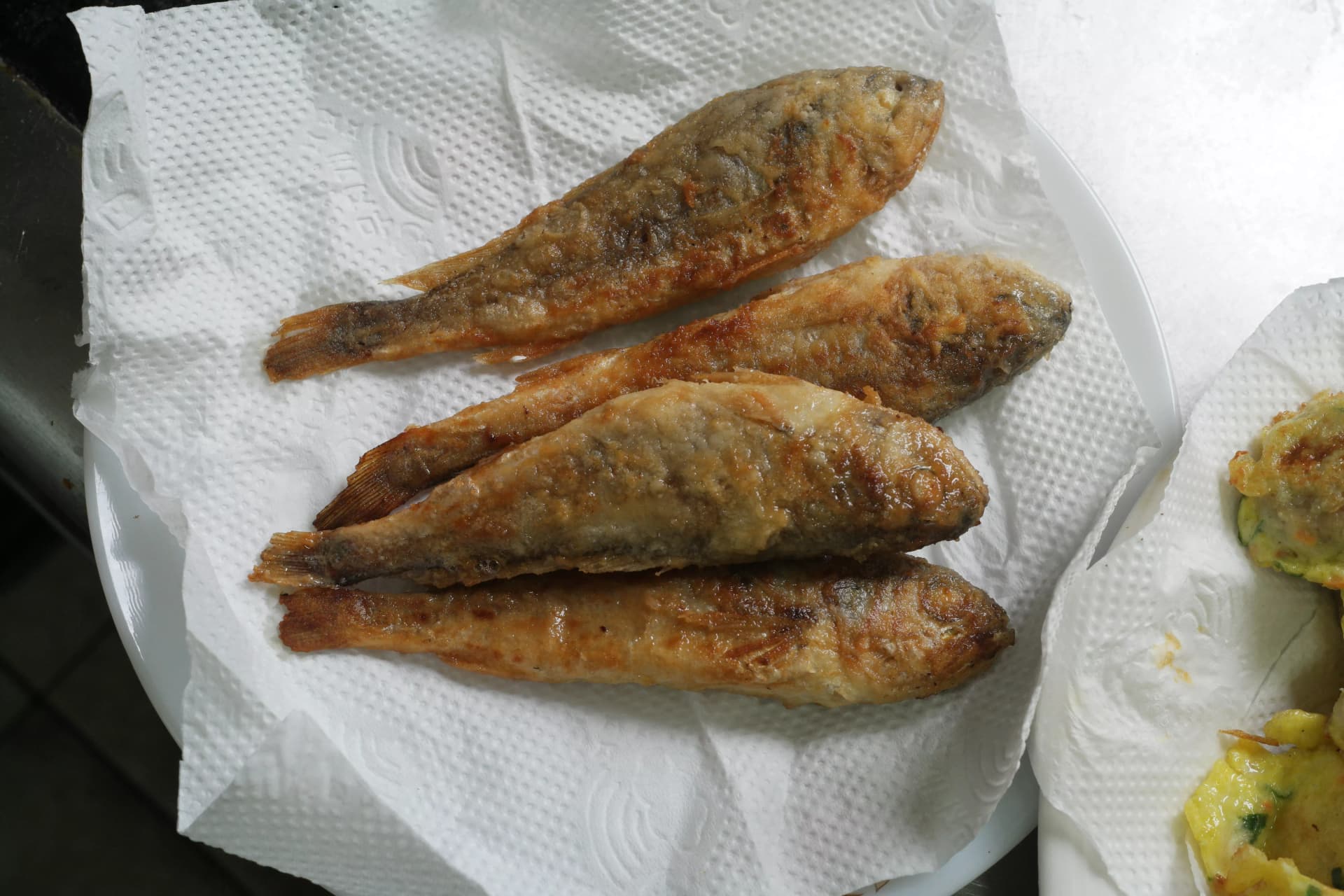
Once one side was done, they'd go onto a paper towel to drain. See how they've gone from chalky white to golden brown? Imo had this saying she always repeated: "The first batch goes in my mouth, and the second batch is yours." But honestly, I snuck a piece from the first batch more than a few times. There's a real difference between one that's fresh out of the pan and one that's sat for even five minutes — that crispiness fades fast.
The Fish Every Korean Grew Up With
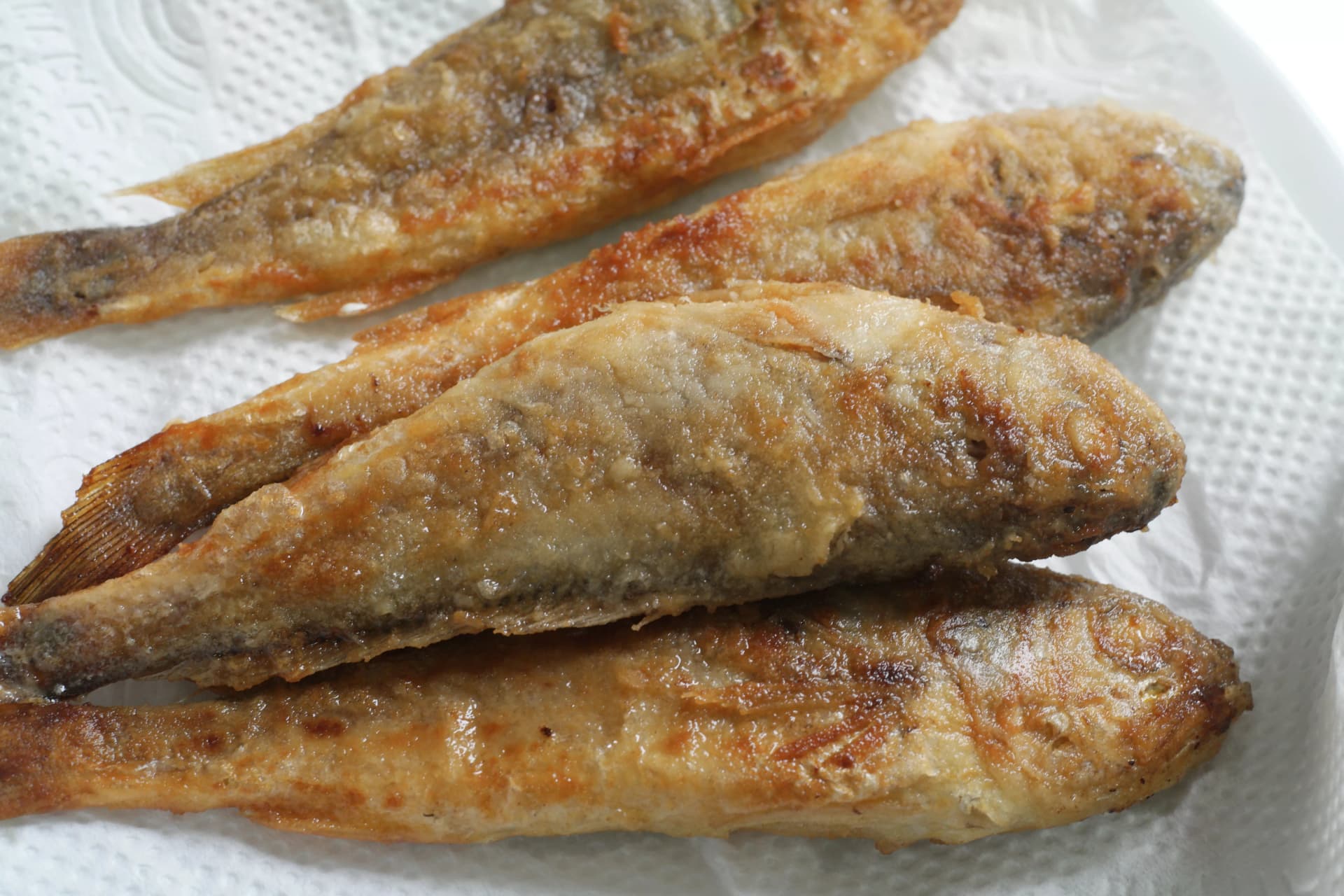
Up close, you can see the thin, crispy skin still intact while the flesh inside stays white and moist. If you ask any Korean, "Did your mom fry fish at home when you were a kid?" most of them will immediately think of either croaker or hairtail. That's how deeply embedded this fish is in everyday Korean home cooking. The thing is, croaker has gotten pretty expensive over the years. When I was growing up, it was treated as just another cheap side-dish fish, but that's not really the case anymore. So whenever croaker showed up at the cafeteria, someone would always joke, "Imo must be in a good mood today."
Korean Rolled Omelette: A Banchan Essential
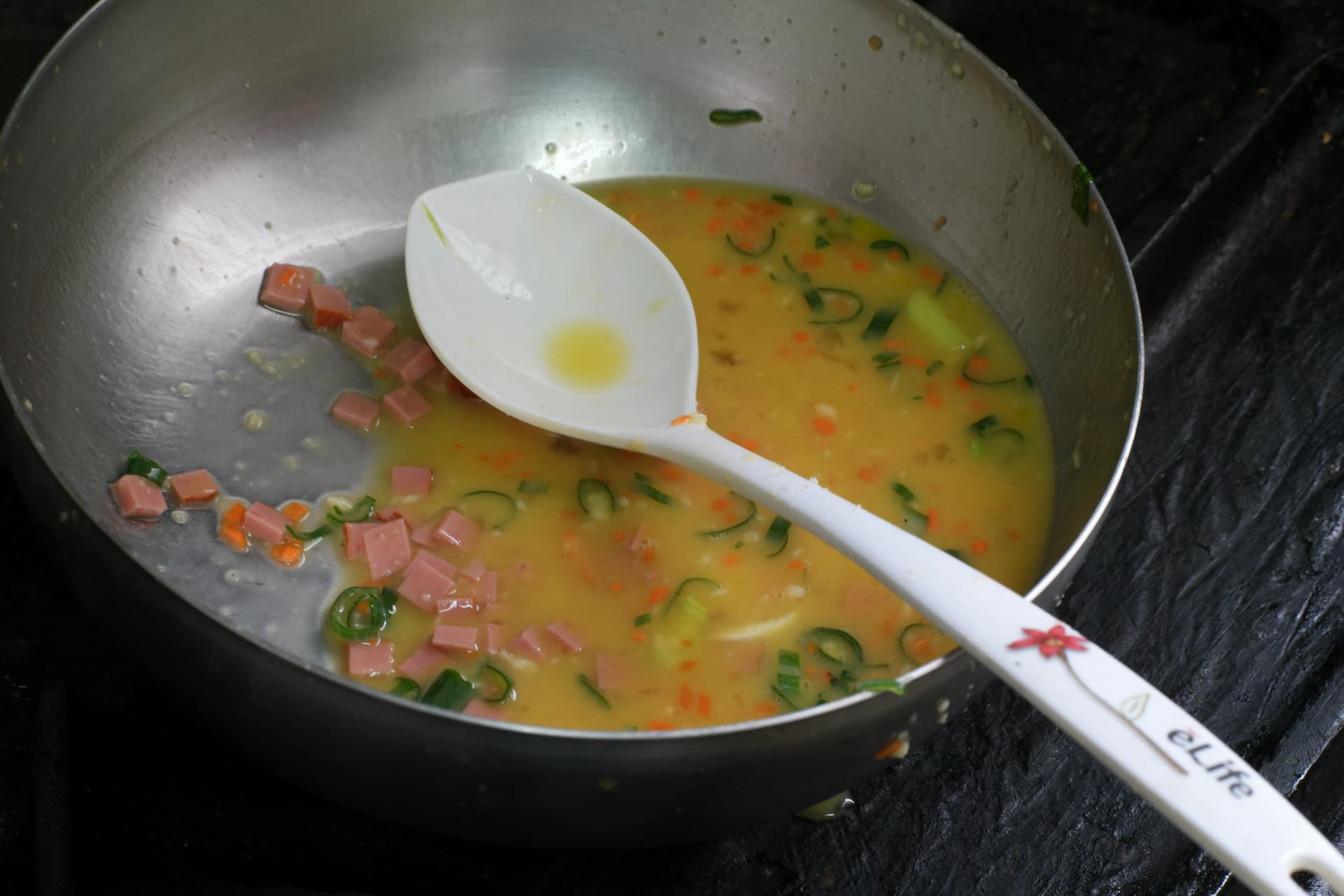
Korean rolled omelette, called gyeran-mari, is one of the most common banchan side dishes in Korea — it appears in nearly every lunchbox, cafeteria, and baekban restaurant in the country. I peeked into the bowl while Imo was prepping and saw beaten eggs mixed with finely diced ham, scallions, and carrots. At this point I wasn't sure what she was making.
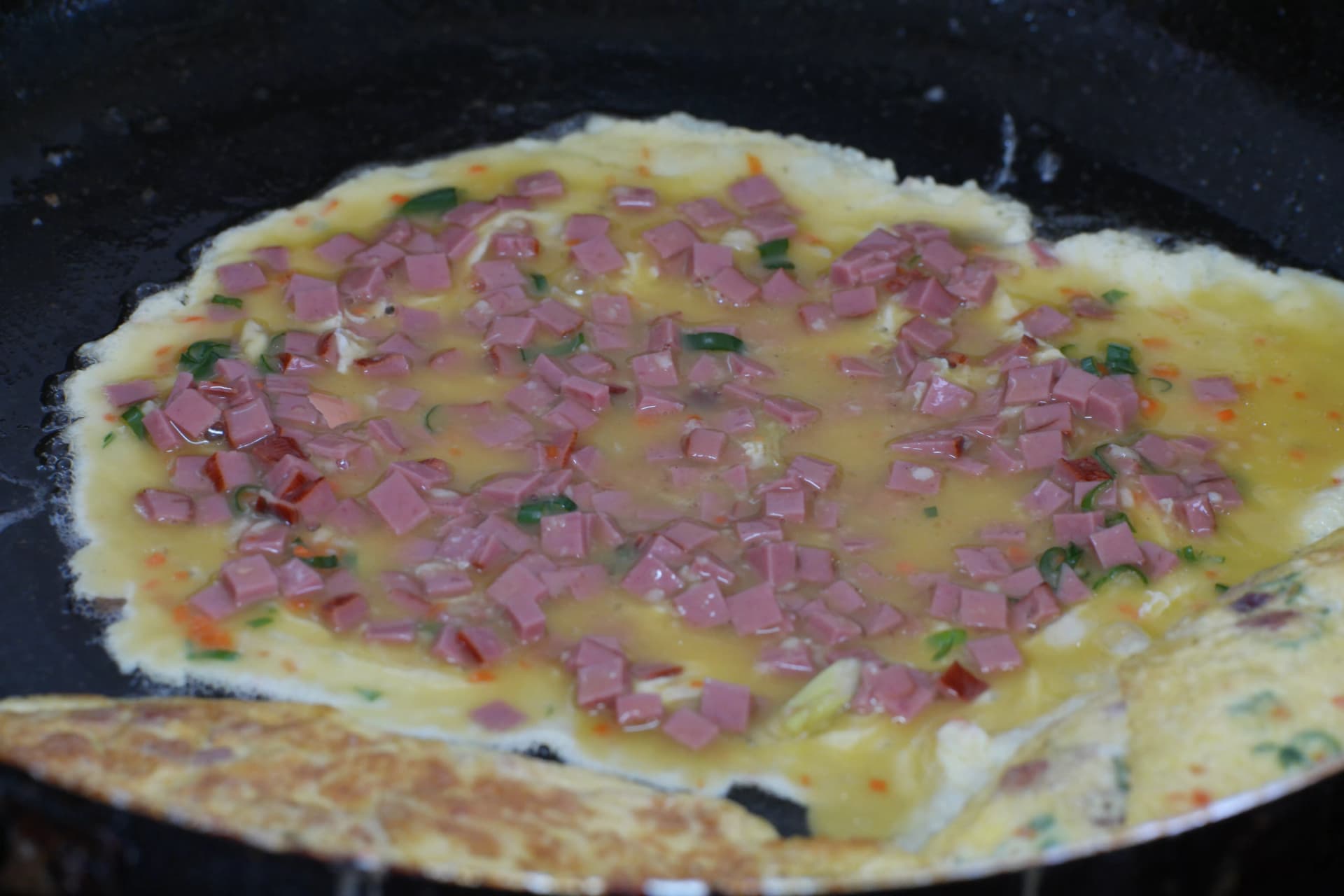
Then she poured it into the pan and it clicked — rolled omelette. A Korean rolled omelette is made differently from a Western-style omelette. You pour a thin layer of egg into the pan, let it set, then roll it up tightly — think of it almost like making a crepe that you roll as you go. The fillings vary from house to house; Imo's version was generous with the diced ham. Americans might compare it to a French omelette, but the technique is closer to a Japanese tamagoyaki — thin layers rolled over each other instead of folded in thirds.
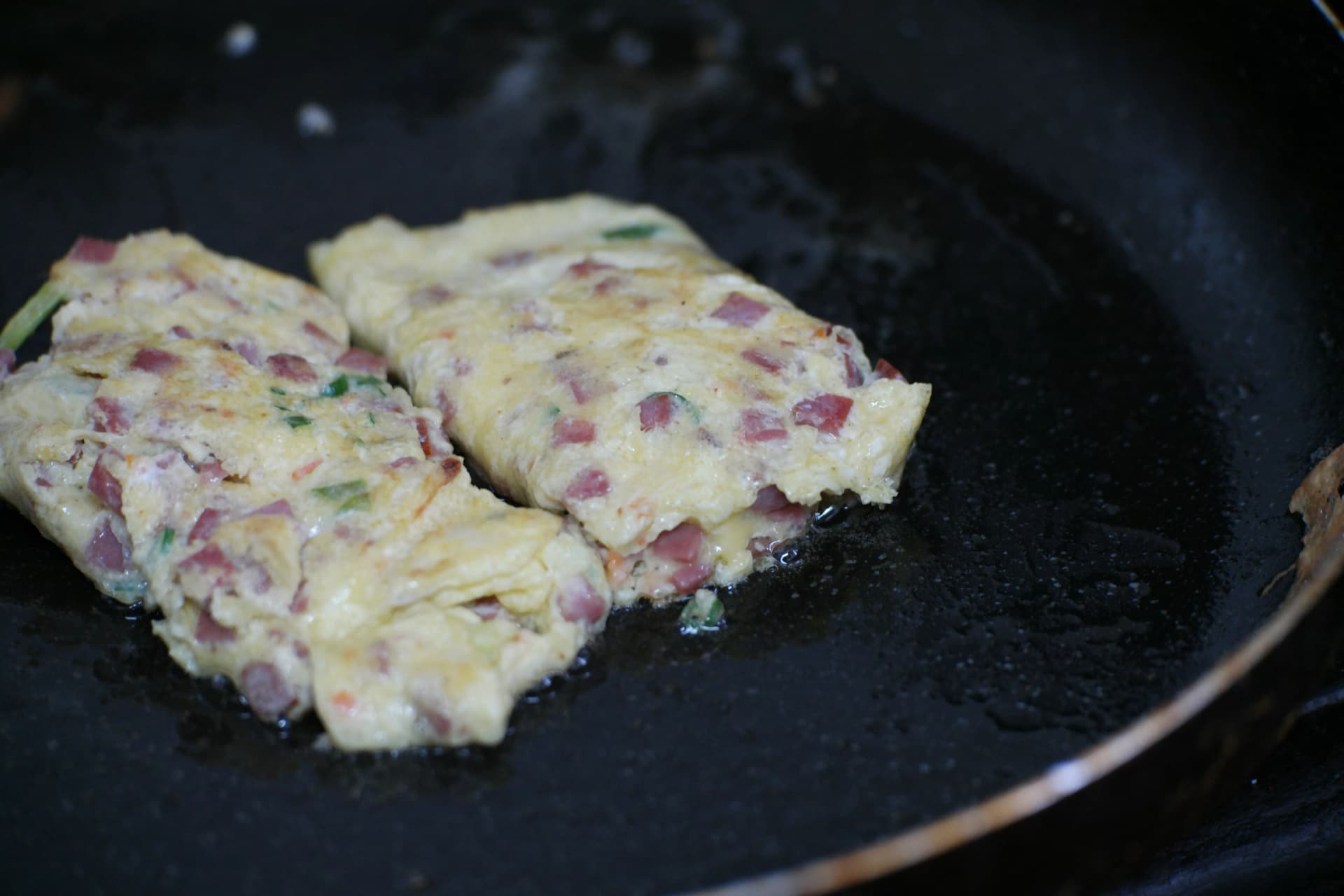
Once it sets enough, you fold it over and flip. The timing here is sneakily tricky. Flip too early and the inside runs everywhere; flip too late and the outside burns. Imo could do it with one flick of the wrist. Meanwhile, every time I've tried this at home, it tears apart. It looks simple, but doing it well is genuinely hard.
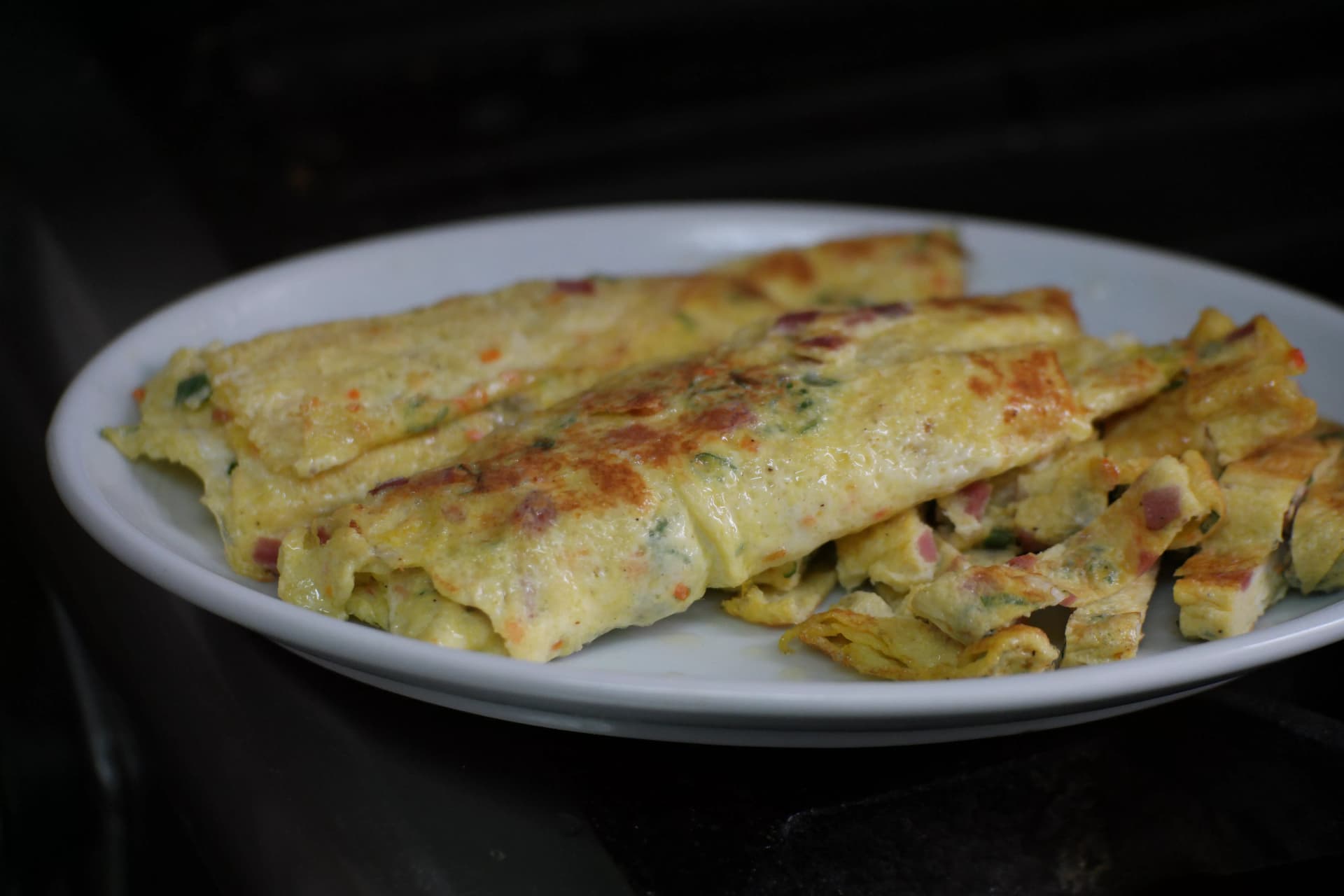
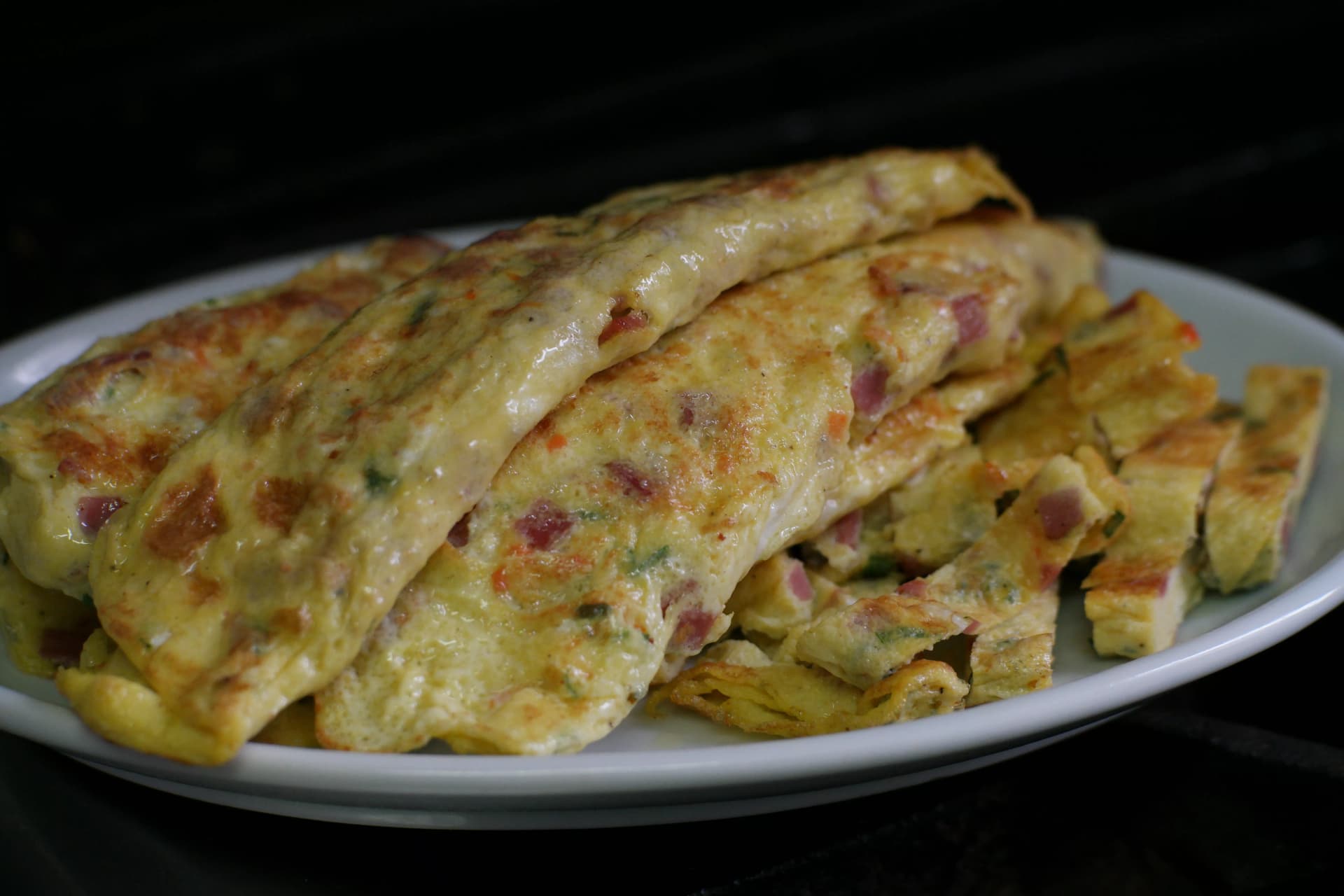
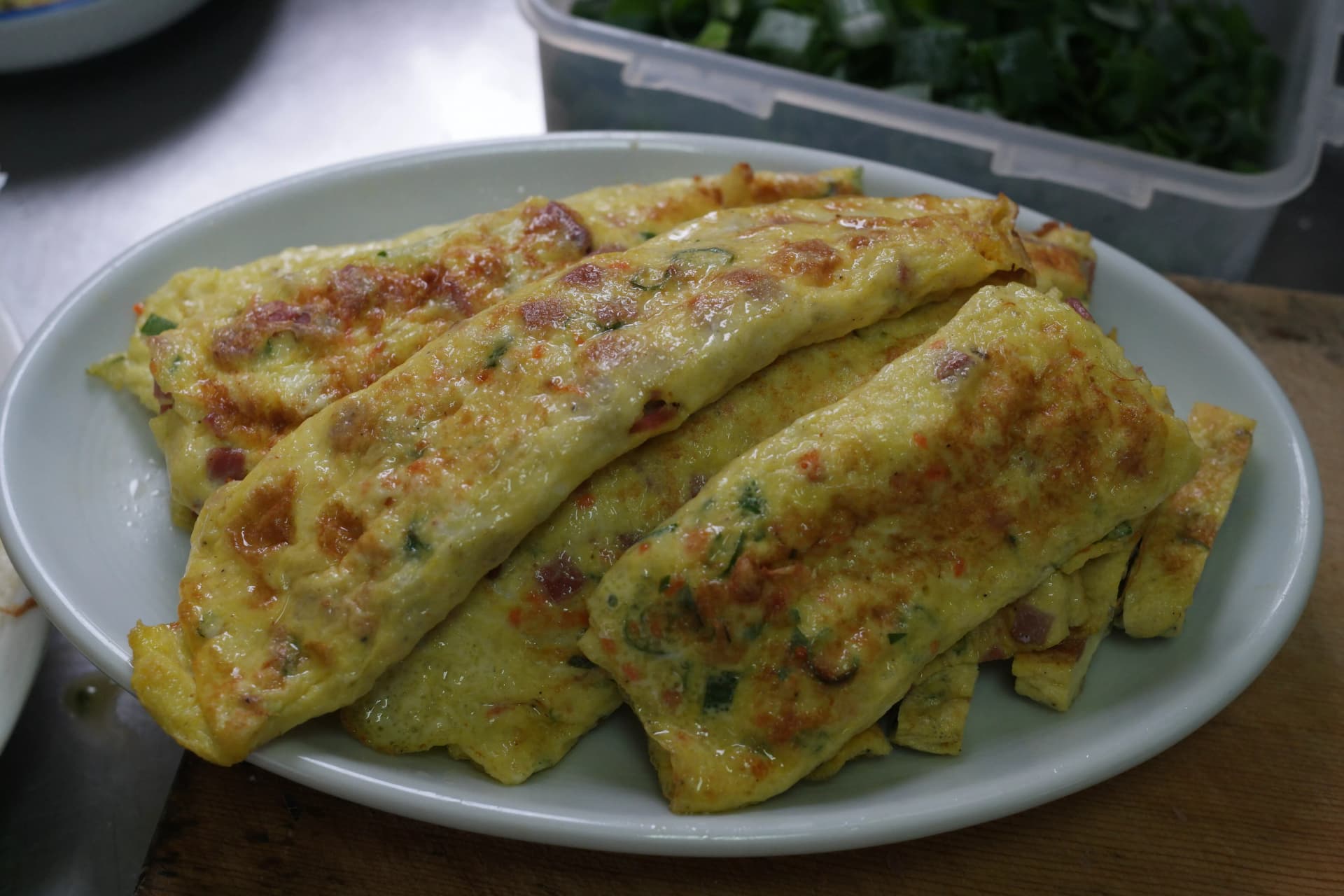
Here's the finished rolled omelette. You can see the ham and scallion pieces embedded in the golden surface. Behind it, that green container holds pre-chopped vegetables for the next side dish — if you watched Imo work, she was always cooking one thing while prepping the next at the same time. In Korean home-cooked meals, rolled omelette is probably the second most common banchan after kimchi. Whether it's a cafeteria, a baekban restaurant, or someone's kitchen at home, if this one's missing, the whole meal feels incomplete. It's the absolute baseline.
Donggeurangtteng: The Most Labor-Intensive Side Dish
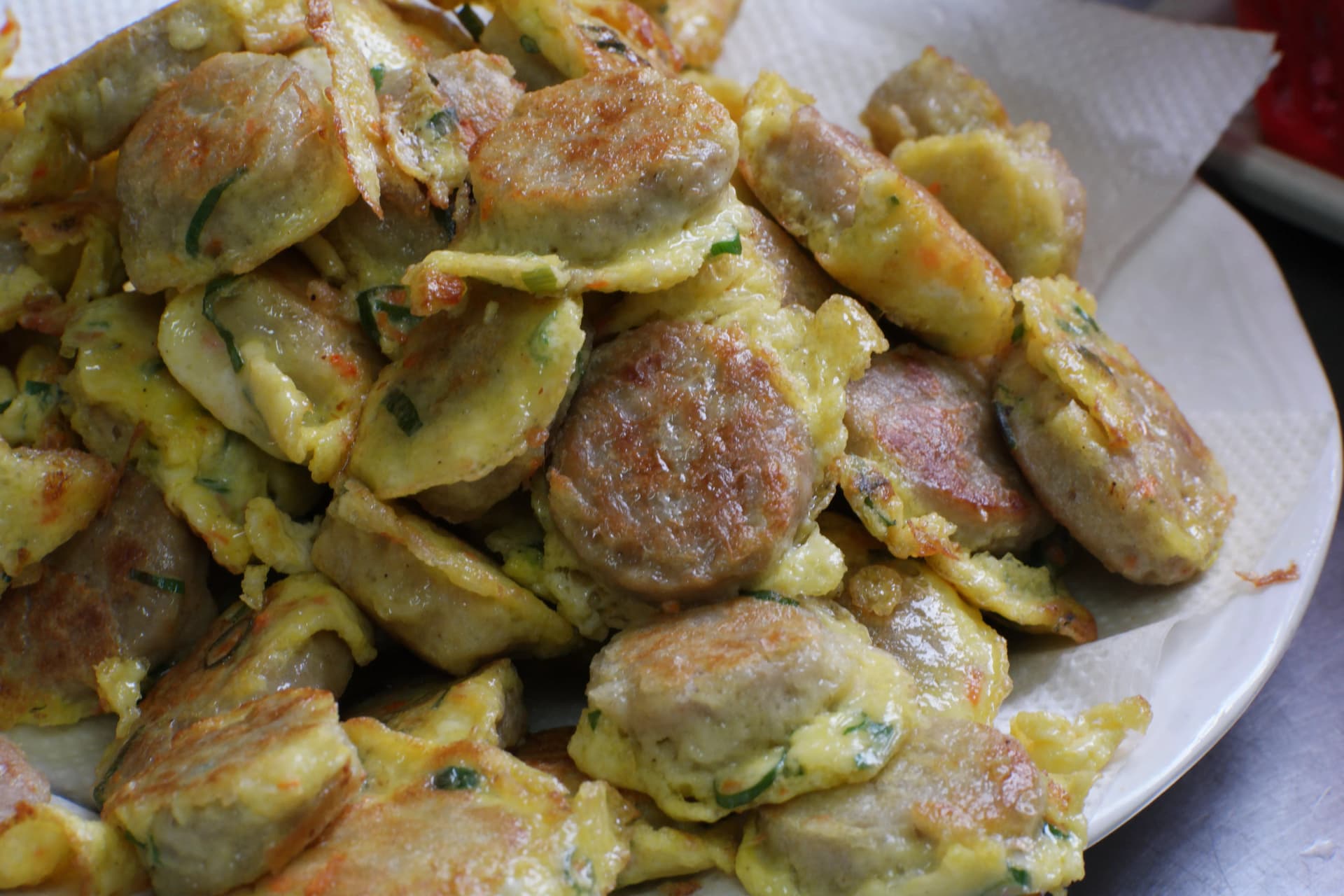
Donggeurangtteng are small, round patties made from a mixture of tofu, ground meat, and finely chopped vegetables, coated in egg wash and pan-fried. They're one of the most labor-intensive banchan side dishes in Korean cooking — you have to shape each one by hand, dip it in egg, and fry them individually. Looking at the mountain piled on that plate, Imo must have started first thing in the morning. Think of them like Korean-style croquettes or fritters, but the tofu keeps them lighter and softer than what you might expect from something fried.
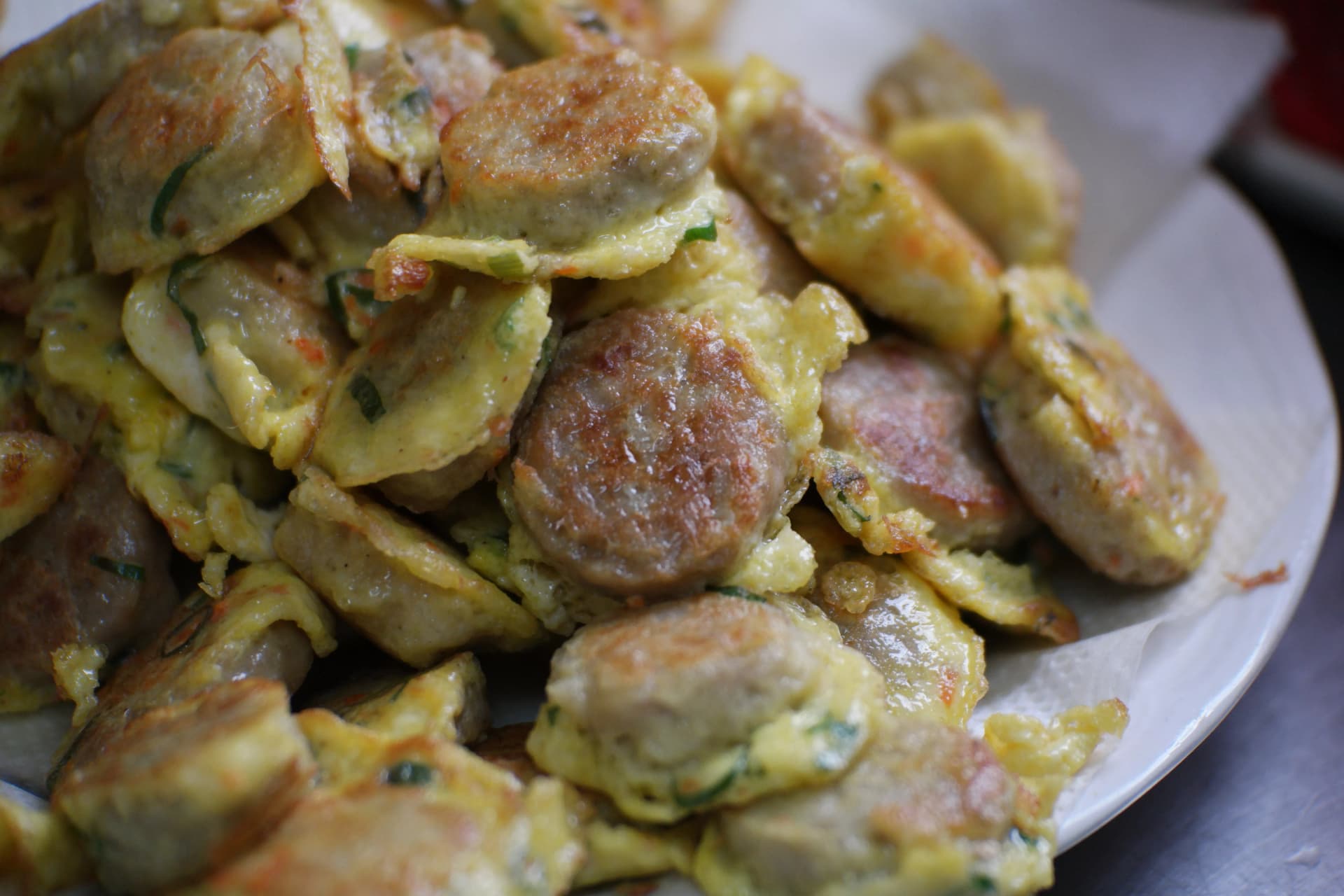
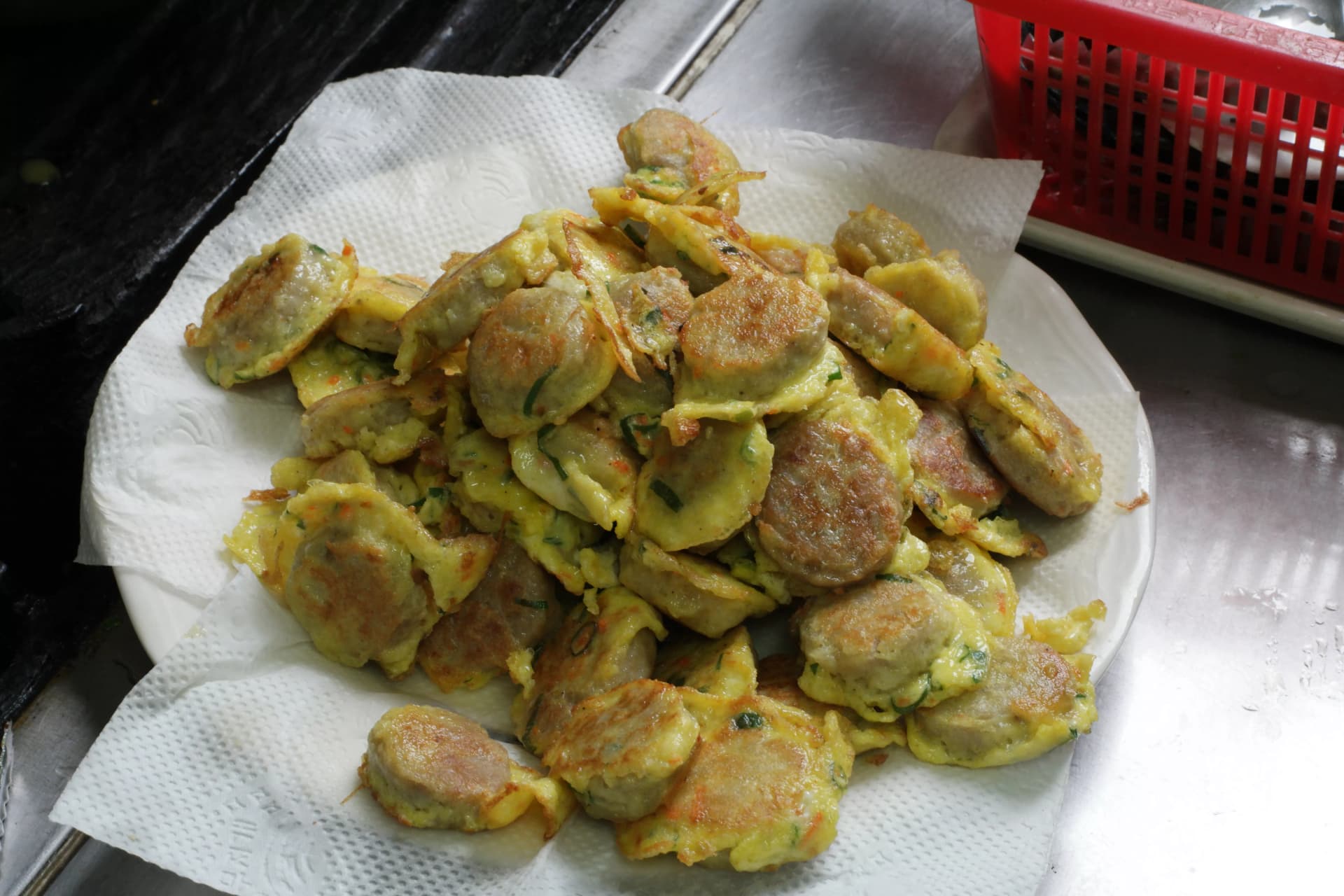
If you look at the cross-section, you can see the grayish filling where tofu and meat are all mixed together. The egg coating is bumpy and uneven because they're handmade — the frozen ones you buy at a Korean grocery store are weirdly uniform and perfectly round, but homemade ones are all different sizes and shapes. Fresh out of the pan, the outside is crispy while the tofu keeps the inside soft, but they're still good at room temperature, which is why they're a go-to lunchbox item in Korea. There's a Korean tradition where the whole family gathers during holidays to fry jeon (Korean-style pan-fried dishes) together, and donggeurangtteng always makes the lineup. When these showed up on a random weekday lunch, one coworker would inevitably say, "Is it a holiday or something?"
Seasoned Vegetables That Balance the Whole Meal
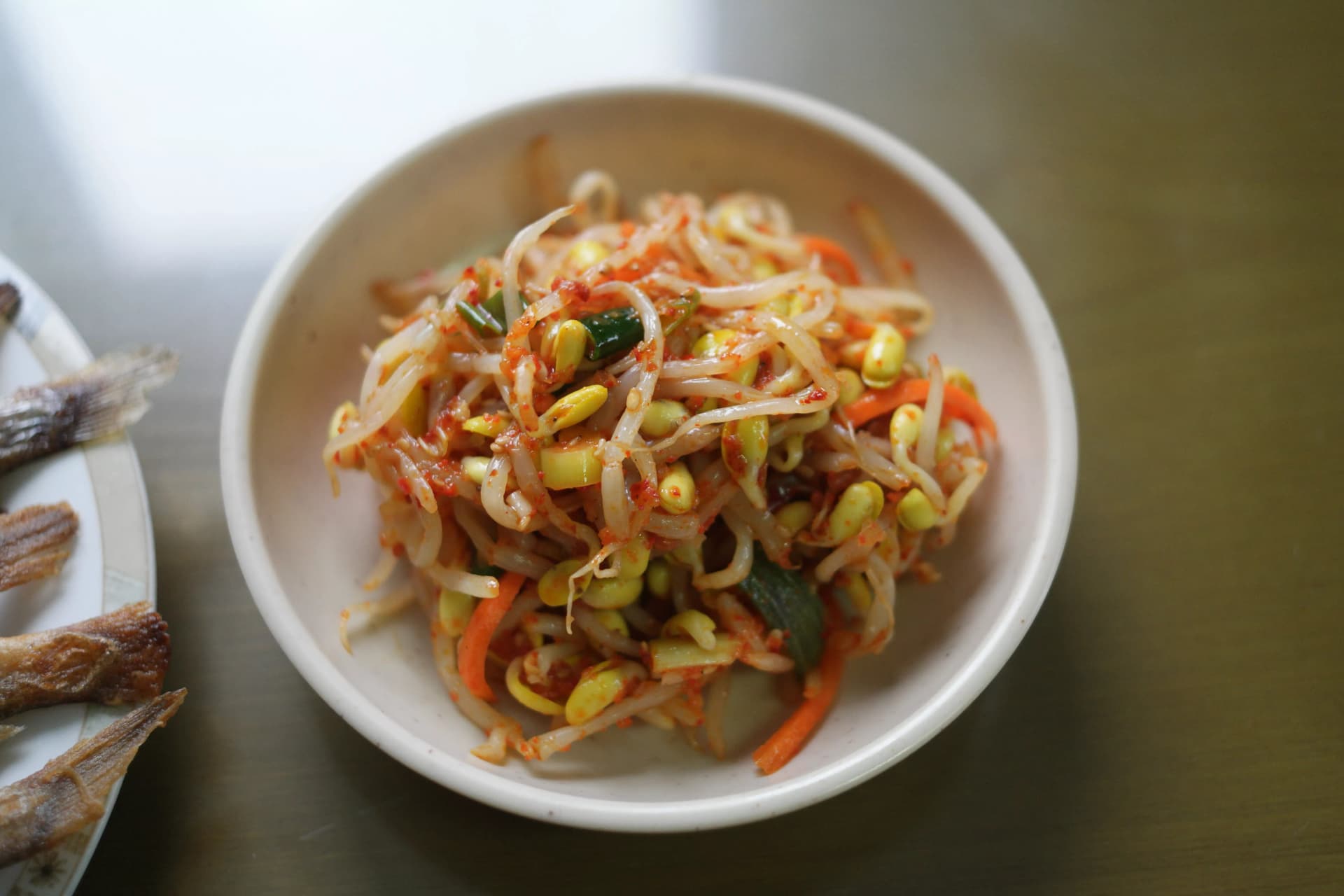
Seasoned bean sprouts, called kongnamul-muchim, might be the single most frequently served banchan side dish in all of Korea. Blanched soybean sprouts tossed with red pepper flakes, sesame oil, scallions, and a bit of carrot — it's that simple. The crunch pairs perfectly with a spoonful of rice. Even though every household makes this dish, it somehow tastes completely different depending on who prepares it. Imo's version was light on the red pepper flakes, so it leaned more tangy than spicy.
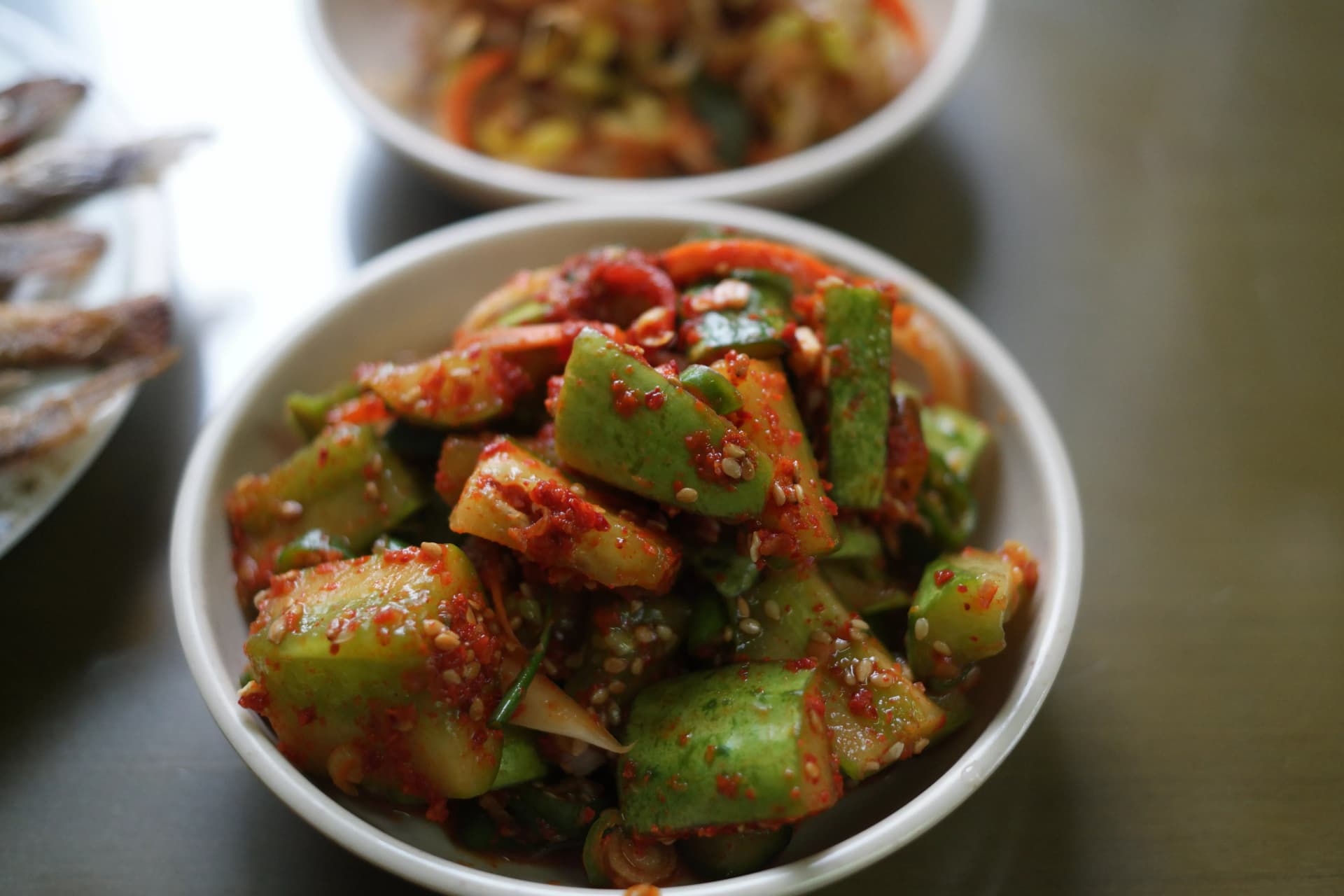
This spicy cucumber salad was almost more like a quick cucumber kimchi. Thick-cut cucumber pieces tossed with red pepper flakes, garlic, and sesame seeds — it showed up especially often in the summer. On hot days when nobody had much appetite, just piling this on top of rice was enough for a full lunch.
The Mystery Greens and Steamed Eggplant
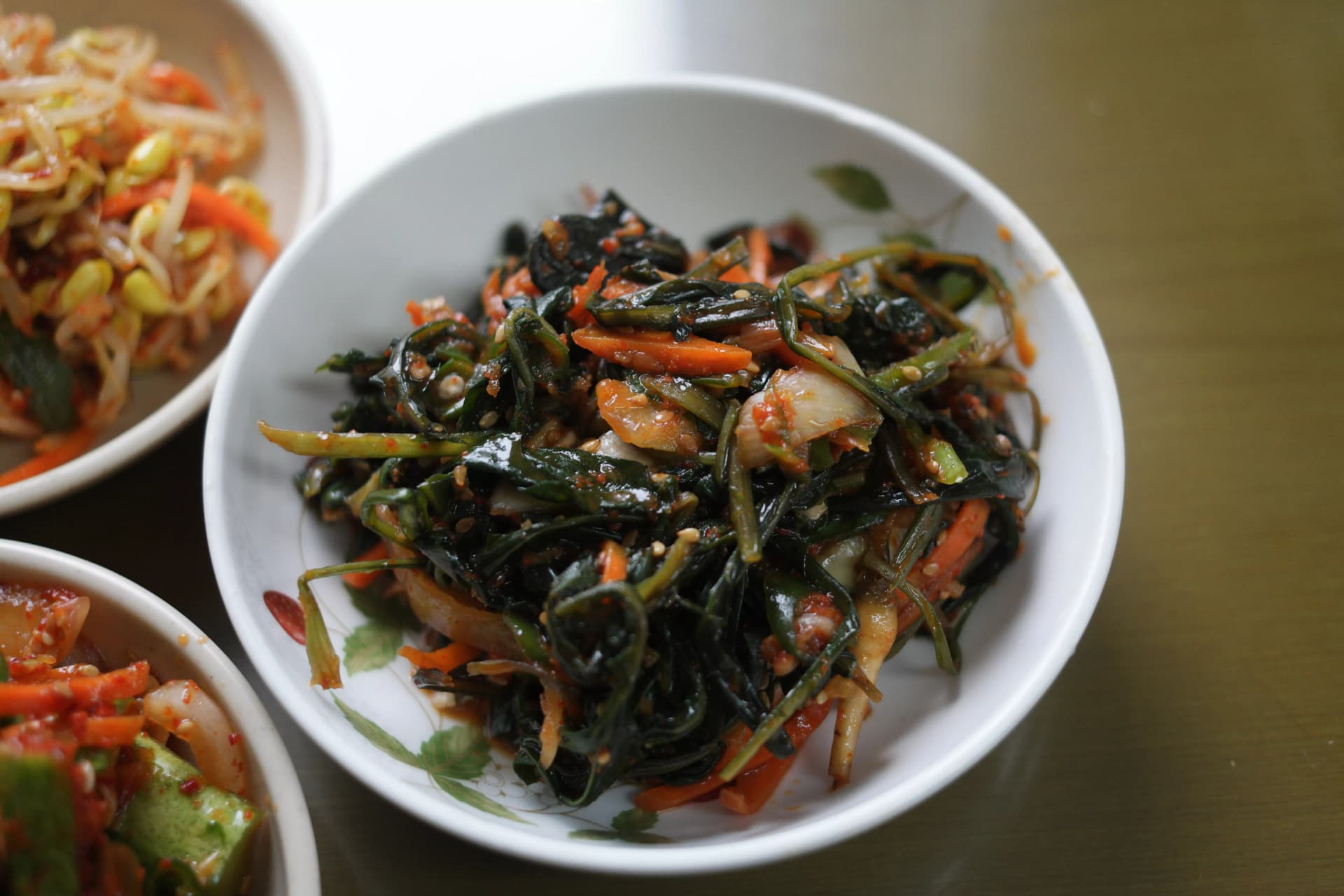
Honestly, I don't know exactly what this one is. It could be sweet potato stems or seaweed stems — it's dark green with bits of carrot mixed in and sesame seeds on top, so it's definitely a soy-sauce-based seasoned namul. In Korean home cooking, there's always at least one namul side dish that you can't quite name, and that's actually part of the charm. These kinds of greens play a crucial role on the table — between all the fried and saucy dishes, one bite of plain seasoned vegetables resets your palate completely.
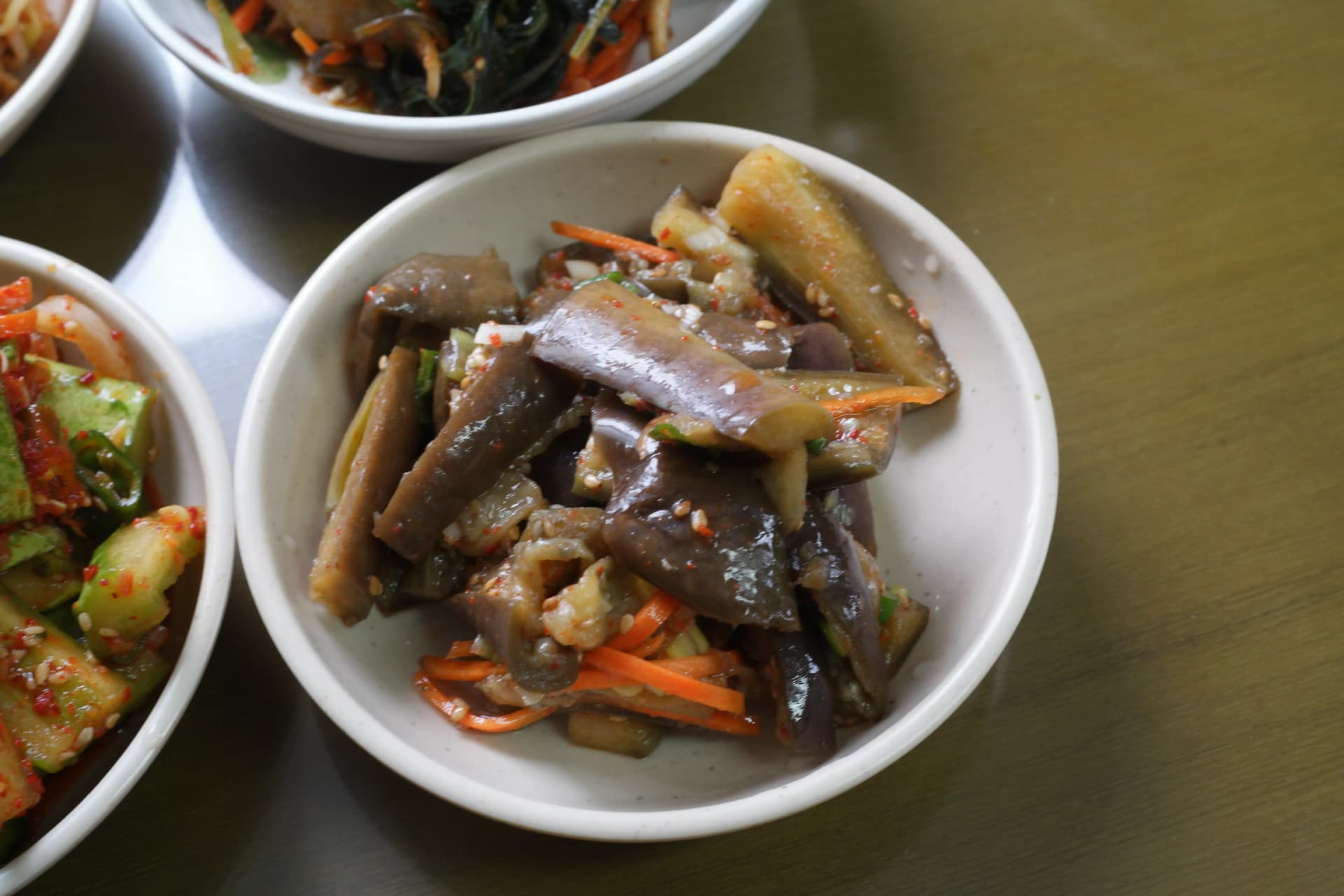
Steamed eggplant dressed in soy sauce and sesame oil. Eggplant is one of the more polarizing vegetables in Korea — a lot of people hate the soft, mushy texture. But a well-made seasoned eggplant isn't really mushy at all; it's more like it melts in your mouth. The soy sauce and sesame oil soak in and give it this savory, nutty richness. I couldn't stand eggplant as a kid, but at some point it just started tasting good. One of my coworkers refused to touch eggplant until the very end, so I ate his portion every time. No complaints.
The Main Event: Kimchi Jjigae
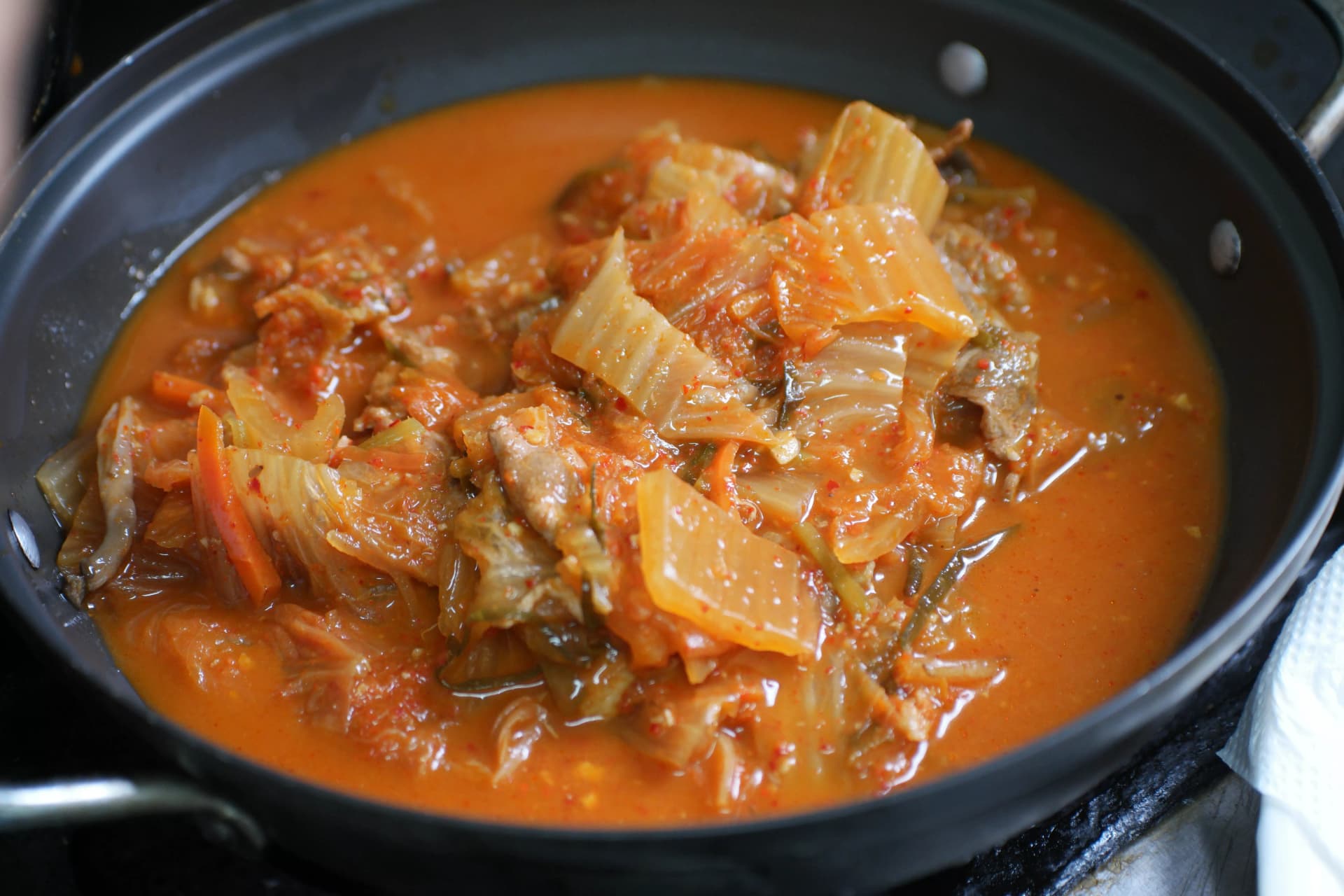
Here's where the real centerpiece comes in — kimchi jjigae, or kimchi stew. In a Korean home-cooked meal, everything revolves around this one pot of stew. Well-fermented aged kimchi is simmering away with pork in a deep red broth. The key to a great kimchi jjigae is using old, sour kimchi — not fresh stuff. That tanginess is what gives the broth its depth. By this stage, the kimchi has practically dissolved into the liquid after simmering with the meat for a while, and that's exactly how you know it's ready.
Building Flavors in Stages, the Korean Way
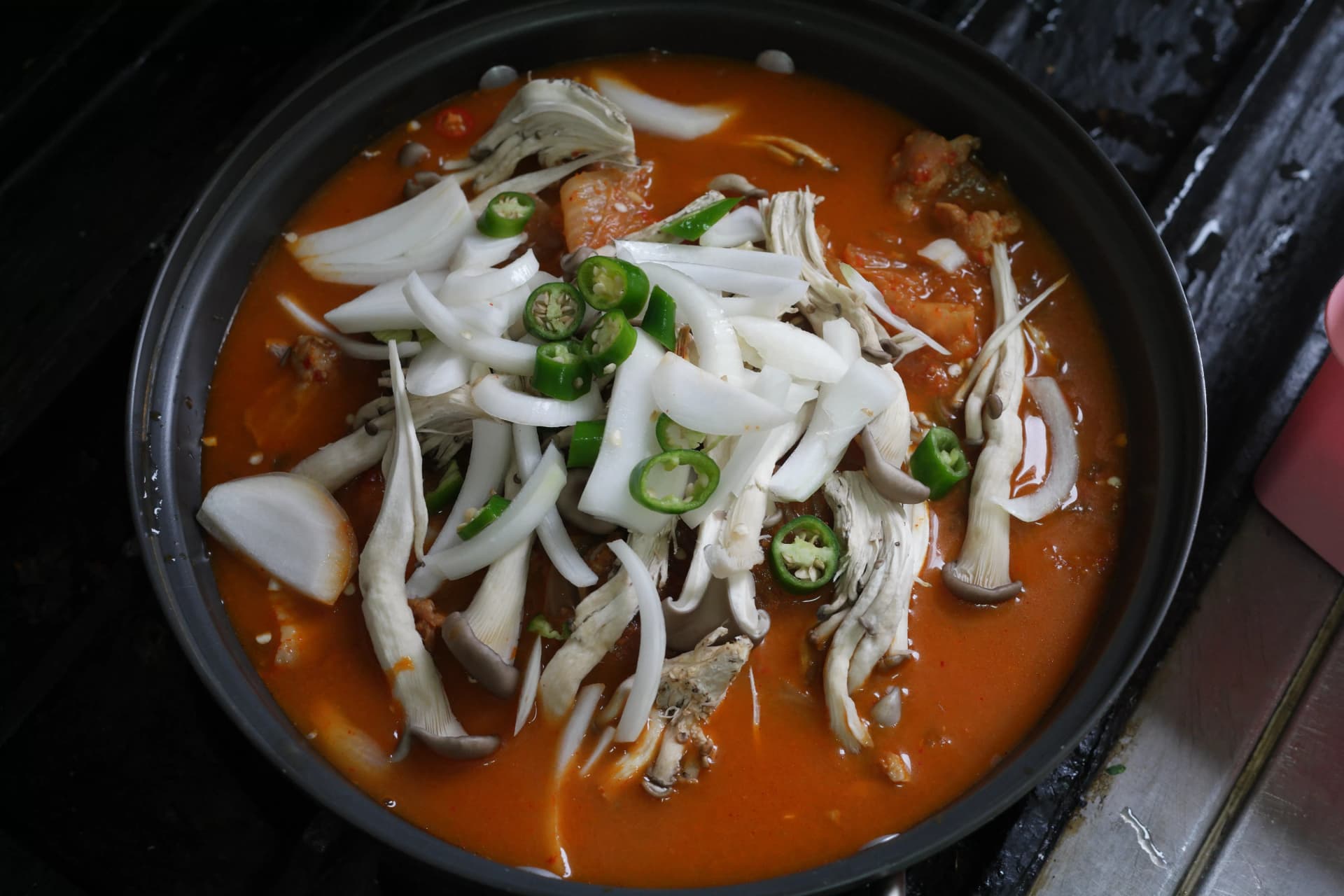
Sliced oyster mushrooms and chopped green chili peppers went in next. Adding mushrooms to kimchi jjigae varies by household, but Imo always threw in a generous amount. When those mushrooms soak up the broth and you bite into one, the entire flavor of the stew floods your mouth at once. It's low-key addictive.
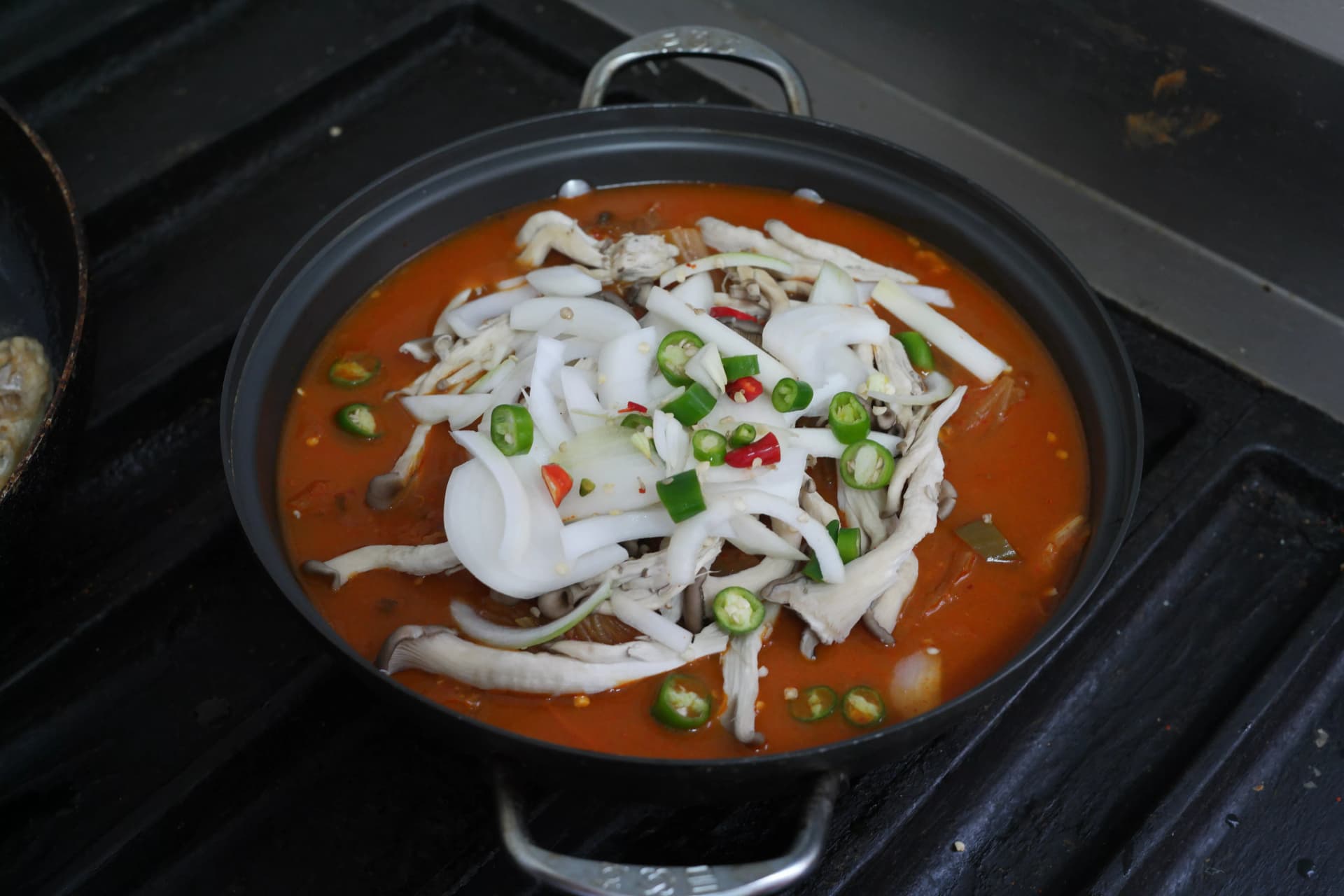
Onions went in too. Korean-style stews don't get all the ingredients dumped in at once. Anything that needs longer cooking goes in first, and things that break down quickly go in later — onions will basically disintegrate if they boil too long, so they go in at this stage. It's a layered approach to building flavor, not unlike how you'd build a good chili or a French stew.
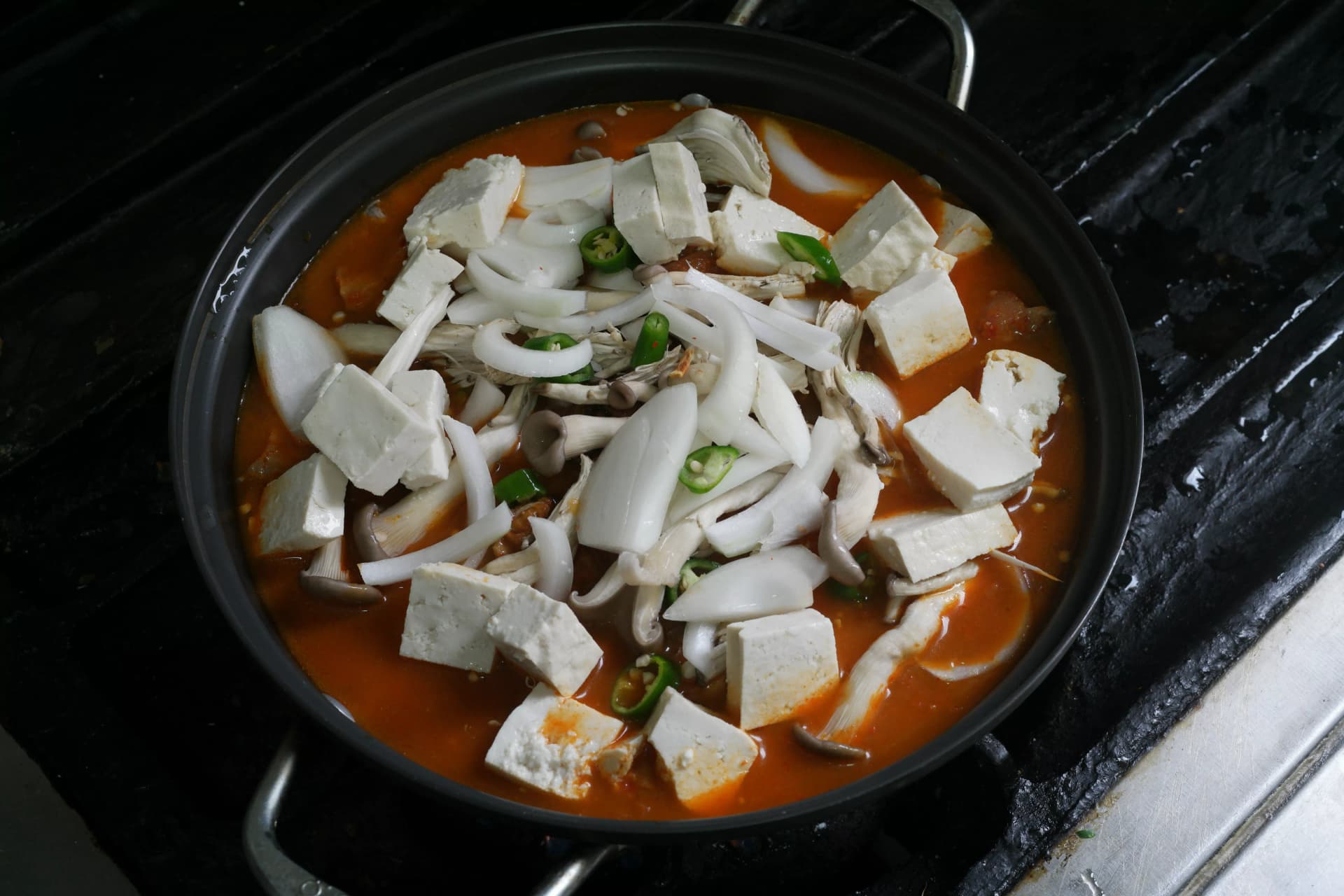
Last in: tofu. Big, thick slabs of it. If you leave the tofu out of kimchi jjigae, Koreans will genuinely feel something is missing. As it simmers, the tofu absorbs the broth — the outside firms up slightly while the inside stays silky soft. When you fish out a piece of tofu from that spicy, sour stew and eat it, it's like hitting a pause button on the heat. It brings everything down a notch for a second before you dive back in.
Finished Kimchi Jjigae, Served Straight in the Pot
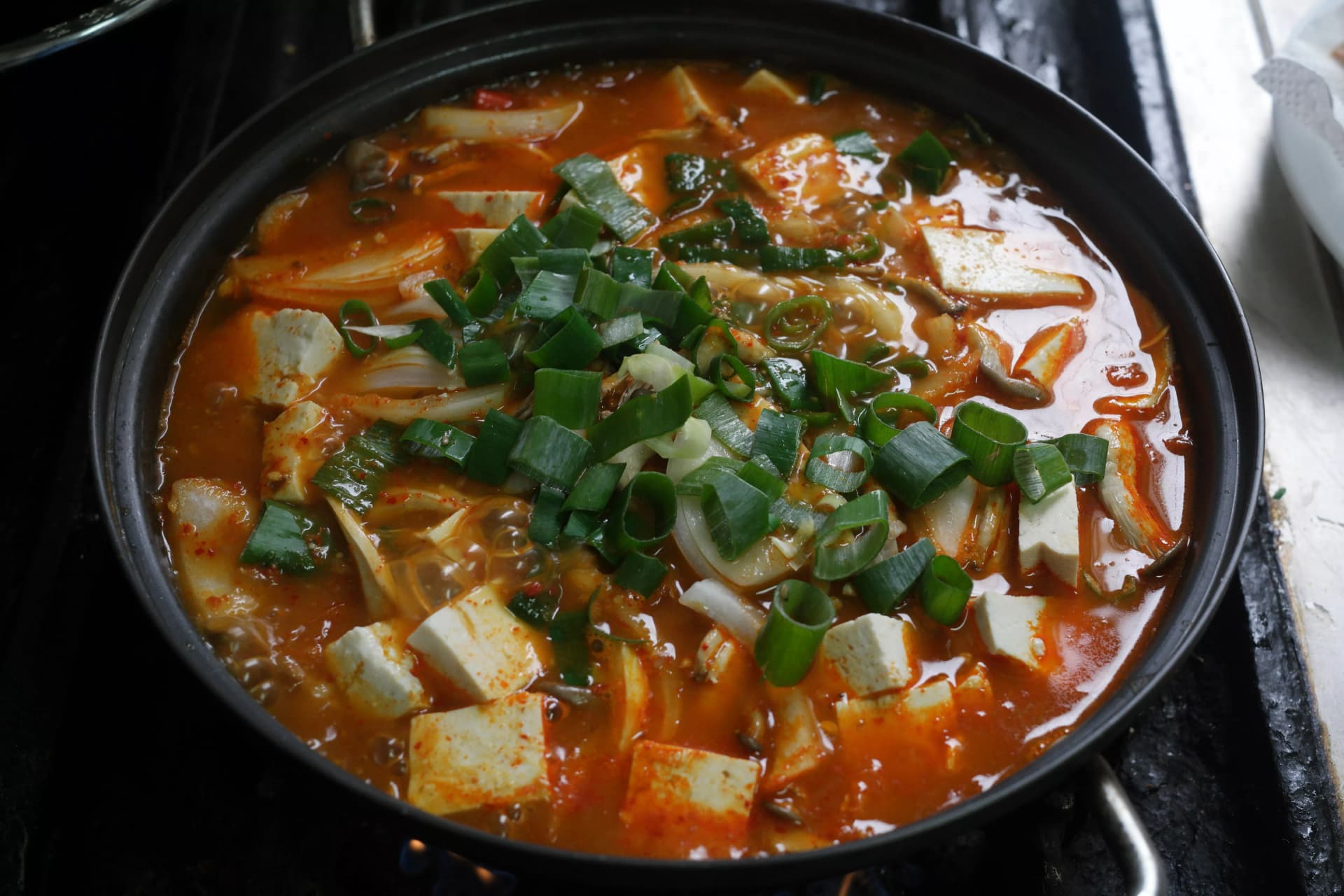
Scallions scattered on top, and it's done. The whole pot goes straight to the center of the table, still bubbling. In Korea, stew isn't ladled into individual bowls. One pot sits in the middle and everyone scoops from it with their own spoons. You put rice in your bowl, then spoon broth and chunks of stew over the top. One thing that bugged me about this cafeteria, though — the AC was kind of weak. In the summer, eating piping-hot kimchi jjigae meant sweat literally dripping down your forehead. One of my coworkers once said, "After this, I need to shower before going back to my desk," and we all cracked up. And honestly, kimchi jjigae came up a little too often. Three or four times a week, easy. I once gently suggested to Imo, "Maybe doenjang-jjigae tomorrow?" — that's a fermented soybean paste stew. She smiled, nodded, and the next day served kimchi jjigae again.
The Full Spread: A Complete Korean Home-Cooked Meal
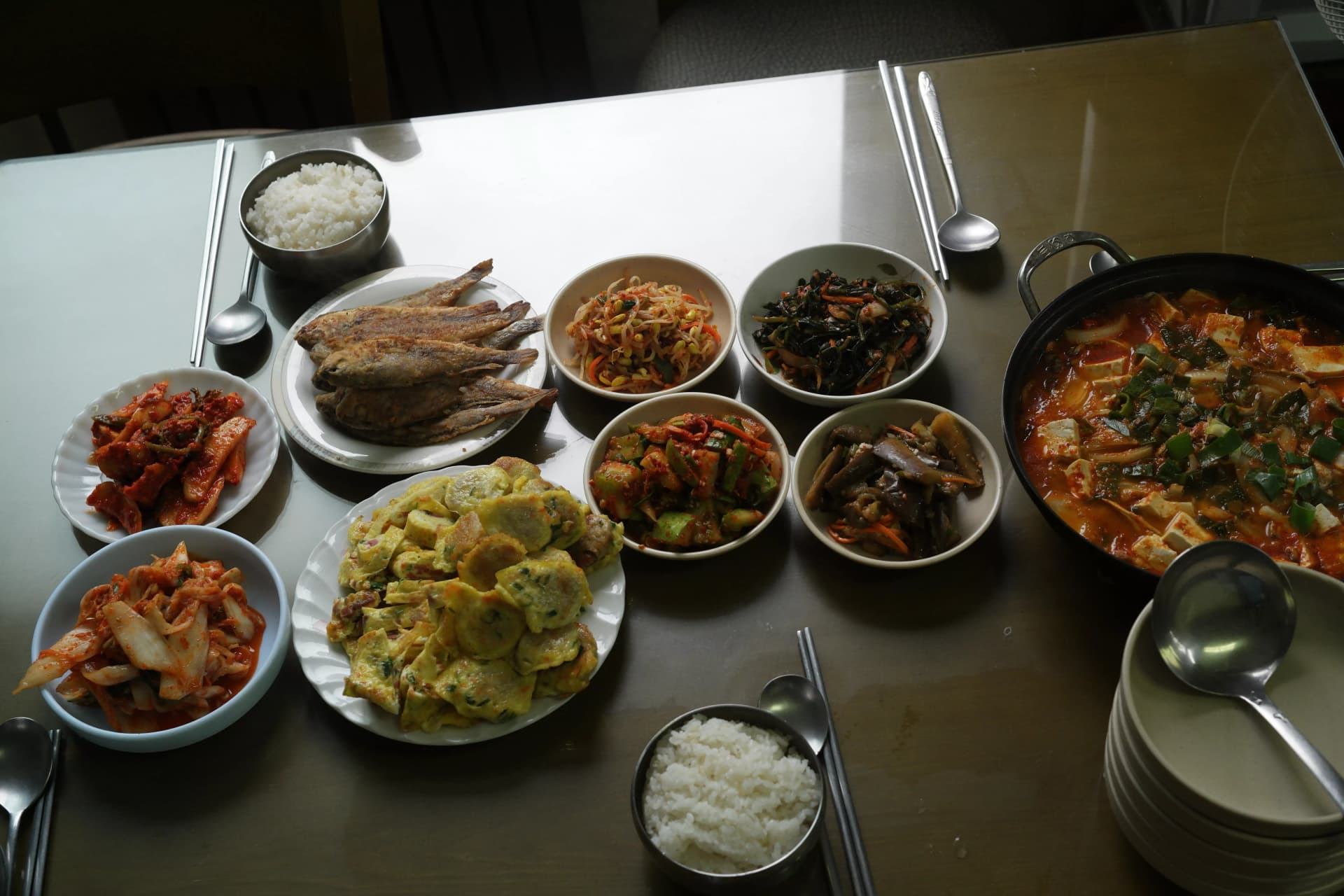
This is the full spread from that day. Laid out on a stainless steel table: rice, kimchi jjigae, pan-fried croaker, rolled omelette, donggeurangtteng patties, seasoned bean sprouts, spicy cucumber salad, namul greens, steamed eggplant, and kimchi. This is nothing like the elaborate, course-by-course hanjeongsik you'd find at a high-end Korean restaurant. The bowls are mismatched, there's no fancy plating, and it's all served cafeteria-style. But this is what Korean people actually eat, every single day. You'll also notice a spoon and a pair of metal chopsticks set side by side — that's the Korean way. Rice and stew get the spoon; side dishes get the chopsticks. Switching between the two feels awkward at first, but you get used to it within a few days. Count the side dishes and there are well over eight. Imo made every single one of them by herself, every morning. All of that, for one meal, for about $3.50.
Simple, But Never Boring
A Korean home-cooked meal isn't about any one star dish. It's about the whole composition — rice in the center, a stew on one side, a fish here, a few seasoned vegetables there, all arranged around it. If you eat any single banchan side dish on its own, it's honestly pretty plain. But the moment you combine it with a spoonful of rice, that's when the flavor clicks into place. Photos might not do it justice because it doesn't look flashy. But if you ever visit Korea, I'd really recommend skipping the tourist spots for at least one meal and walking into a neighborhood baekban restaurant to experience this for yourself. BBQ and fried chicken are great, but this is the real everyday Korean food. The kind people actually sit down to eat on a Tuesday. I left that job a while ago now, but sometimes I still think about those lunches — the hot stew, the little dishes crowded on the table, the sound of chopsticks clinking. I'm not sure if I miss the food itself or the people I sat across from while eating it. Probably both.
This post was originally published on https://hi-jsb.blog.