What to Order at a Local Thai Restaurant: Real Dishes I Ate
Table of Contents
11 items
A local Thai restaurant hits different — even before you walk in
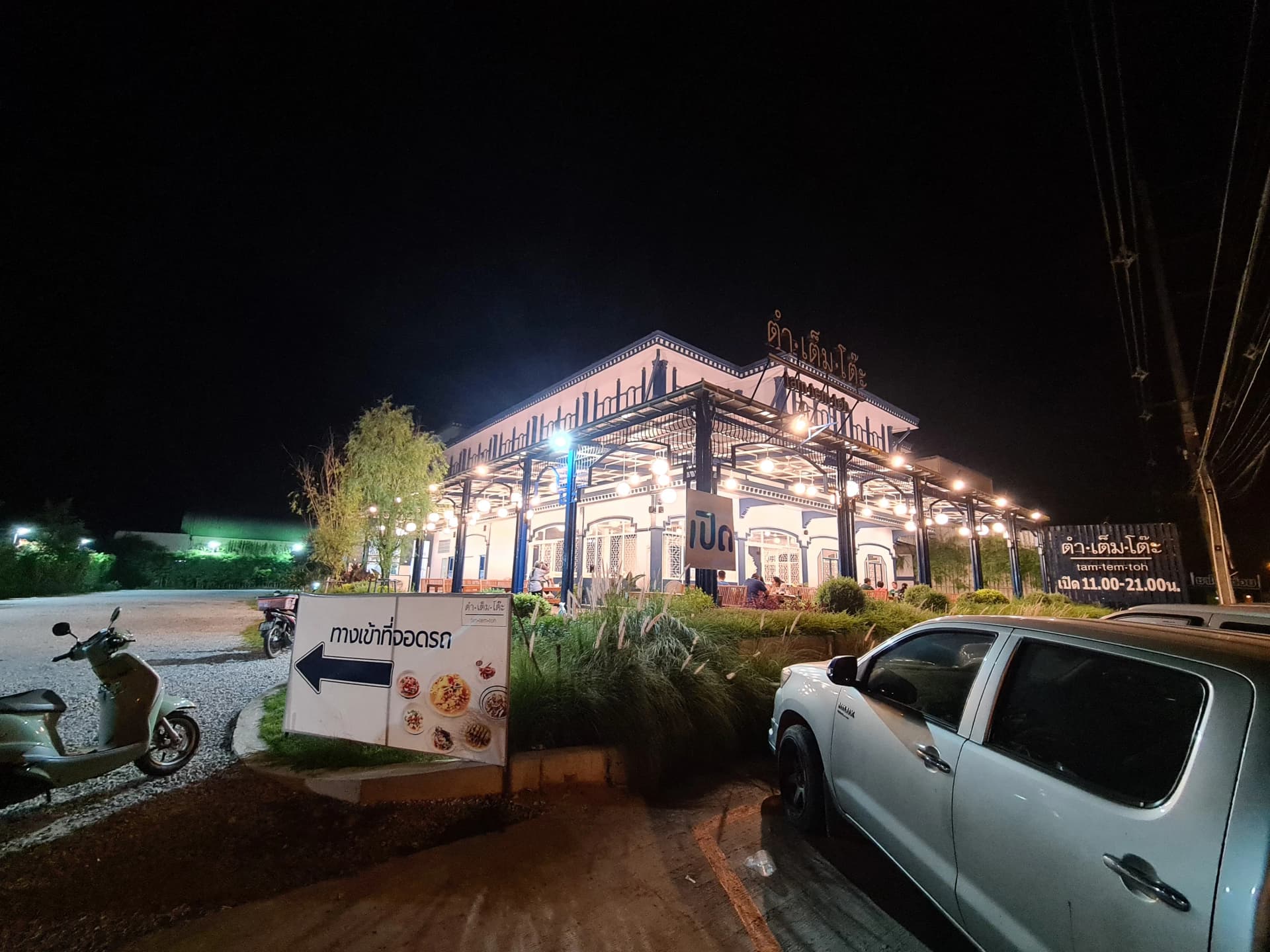
I'm Korean, and back in 2022 when I spent time living in Ban Khai, Rayong in Thailand, I'd find myself wandering into local Thai restaurants like this one most evenings for dinner. You might think of Thai food as pad krapao, yam wun sen, or som tam — and yeah, those are all classics — but when you actually sit down in a local Thai restaurant, it's way more of a shared table situation than a one-person-one-plate kind of deal. This isn't a hypey review of some must-visit spot. It's more of a real record of what you actually get when you walk into a local Thai restaurant during a trip or a longer stay — and which dishes to start with so you're not completely lost. My wife was with me, and we ended up going back a few days later too, so this place clearly did something right.
At night you could spot it from a distance without any trouble. It felt less like a tiny hole-in-the-wall and more like a neighbourhood Thai restaurant you'd actually drive to for a proper dinner out. The bold blue and white colour scheme made it hard to walk past without a second look.
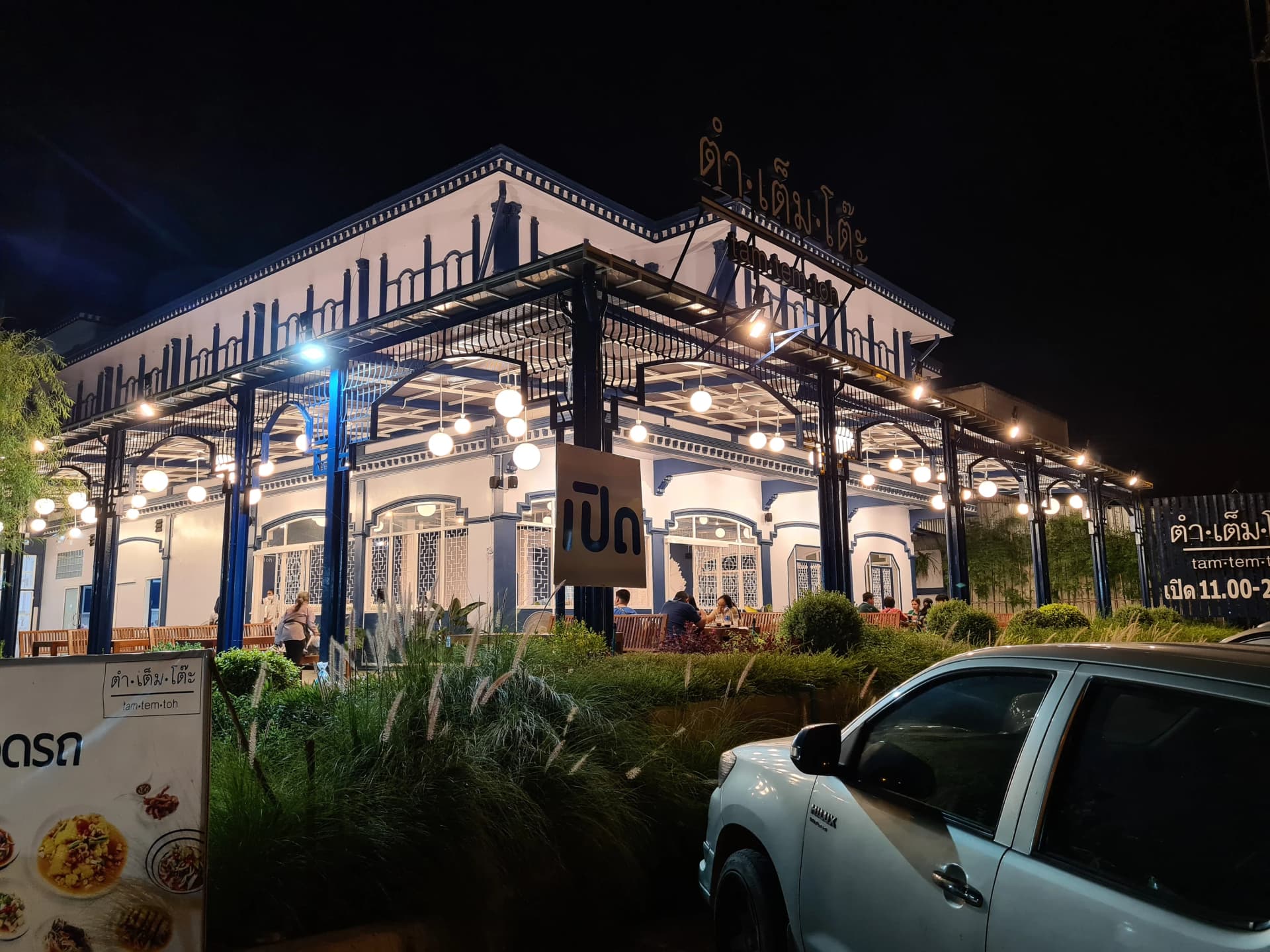
Up close the vibe got even clearer. It wasn't rough or rundown, but it also wasn't trying too hard to look fancy or expensive. There were already customers sitting inside, which honestly made it easier to just walk in — you know that feeling where an empty restaurant makes you second-guess yourself? Seeing people already settled in there made it feel right straight away.
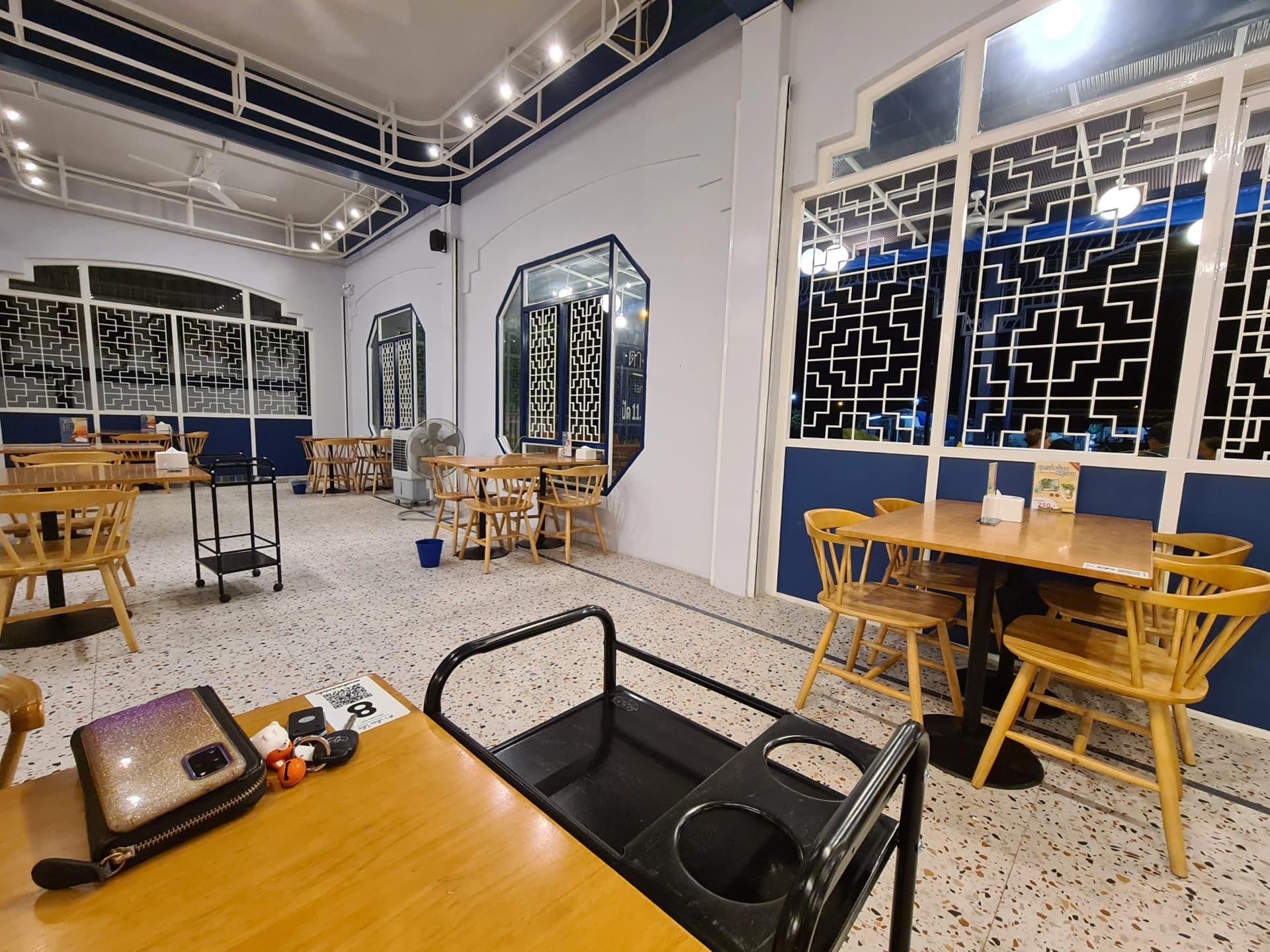
Inside was tidier than I expected. The semi-open structure meant it never felt stuffy, and the tables weren't jammed right up against each other, so dinner felt comfortable. There's that easygoing Thai restaurant atmosphere — but without the chaotic energy some places have. It's the kind of spot where you don't feel rushed to eat and leave. You can just sit there for a bit and take your time.
The menu I photographed in 2022 tells you a lot about this place
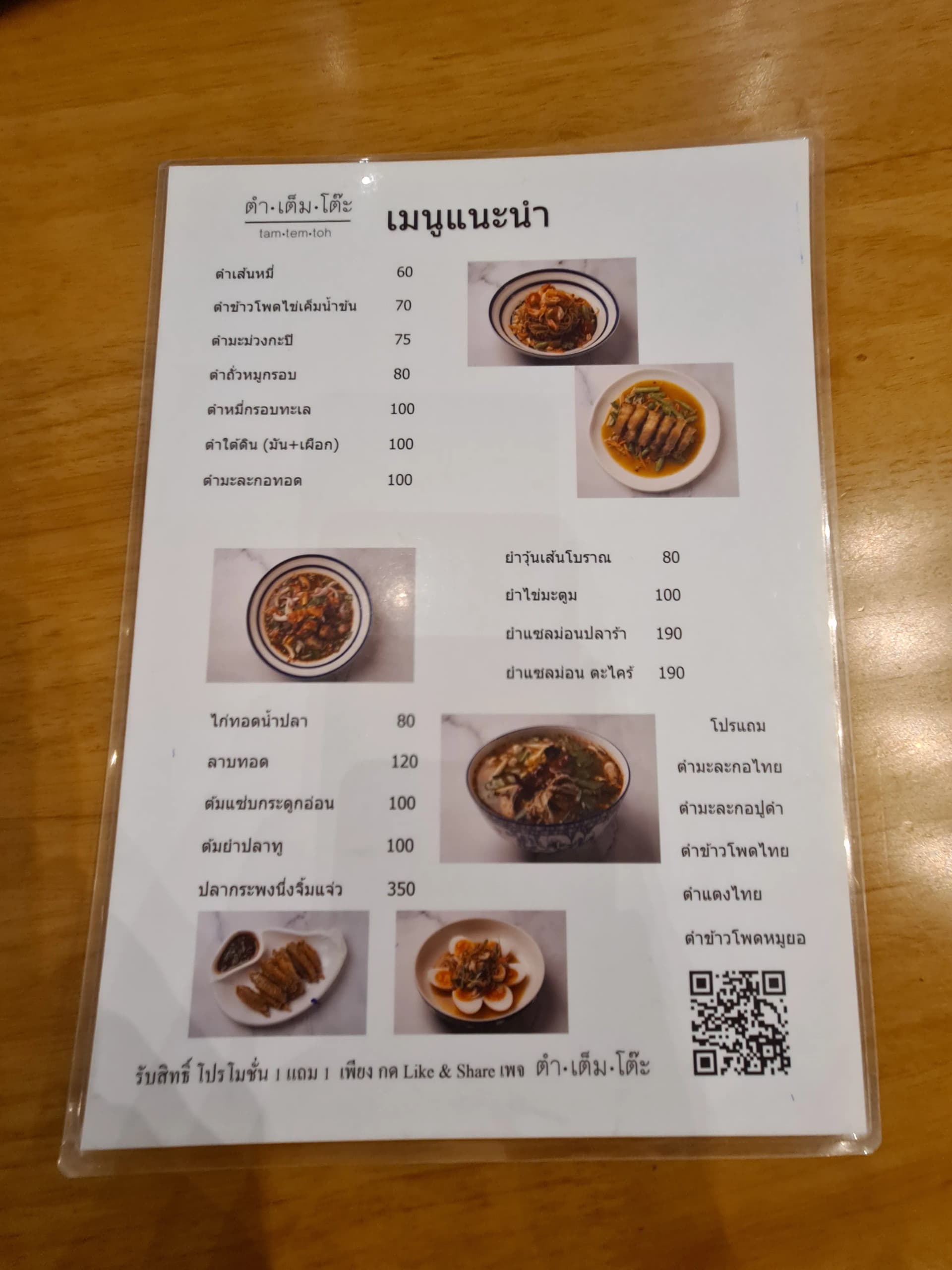
From here on, everything's based on the menu I actually photographed in 2022. It might not be identical today, but it gives you a solid picture of what kind of Thai restaurant this was. The place was called Tam Tem Toh (ตำ-เต็ม-โต๊ะ), and it wasn't just a som tam specialist — it covered yam salads, fried dishes, grilled meats, rice dishes, and soups all under the one roof.
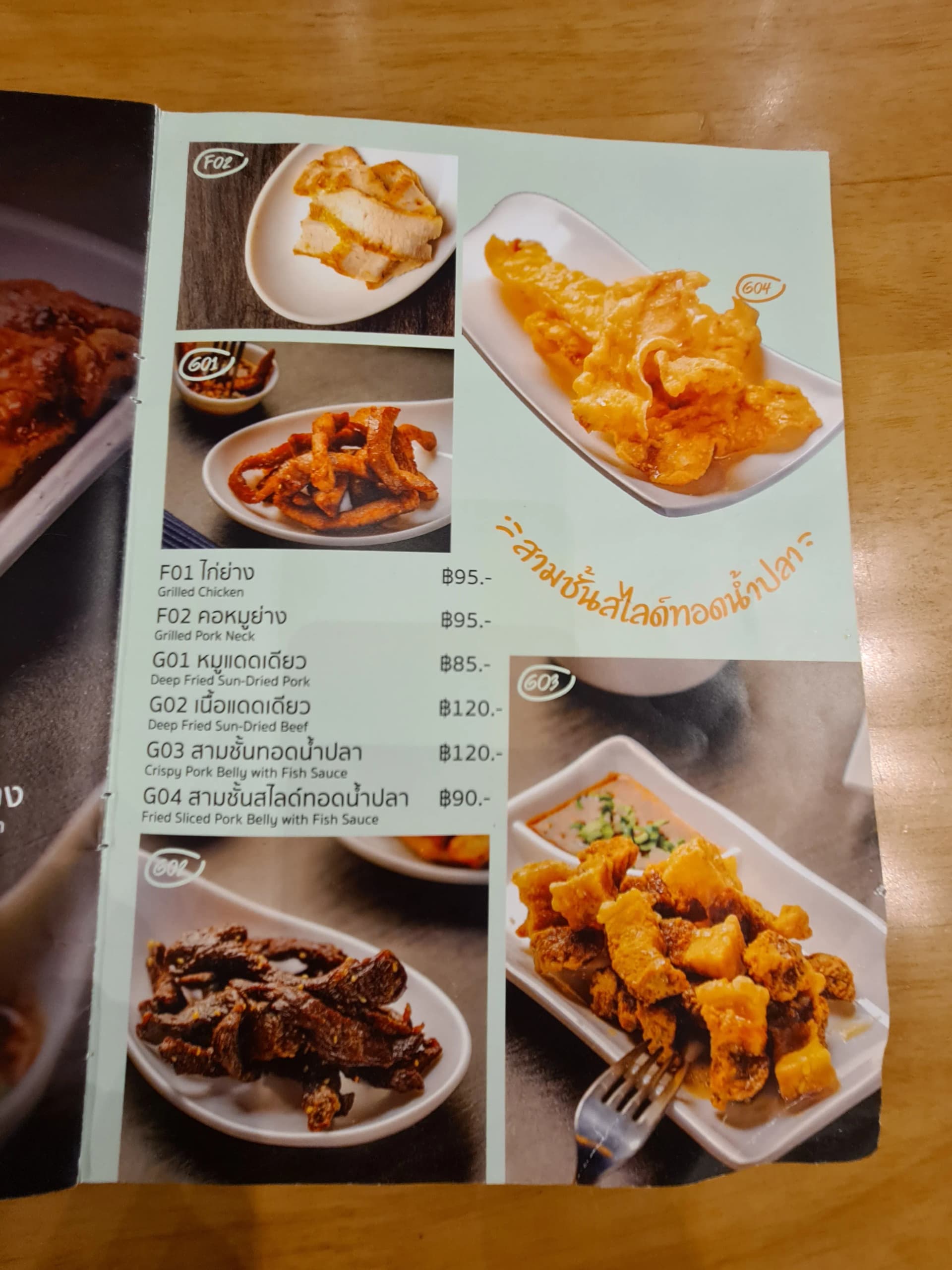
This page of the menu would give first-timers a bit of breathing room. There's grilled chicken, grilled pork neck, fried pork — dishes where the name alone gives you a pretty good idea of what's coming. Thai food isn't all unfamiliar and challenging from the get-go. Some of these plates go down really easily, even if you've never eaten Thai food in your life.
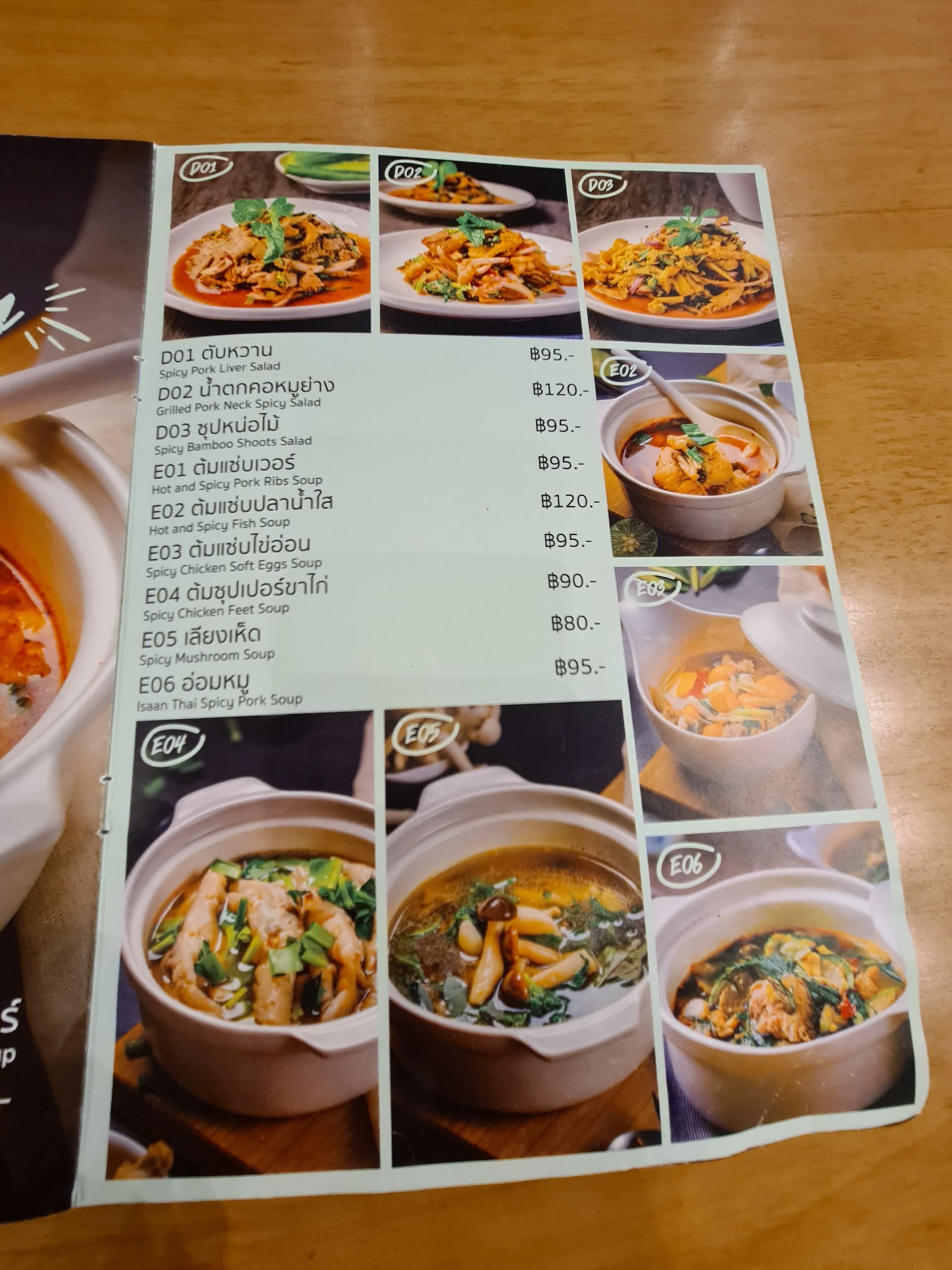
The other side of the menu had more of an Isan vibe to it. Spicy salads, soups, and a few dishes that'll divide the table — all sitting there together. Looking at it, you start to get a feel for how Thais actually build a meal. If it's your first time, honestly just point at the dishes that have photos next to them. Ordering purely off the name can take you on an adventure you didn't sign up for.
If it's your first time, ordering like this will save you a lot of confusion
Get one rice dish on the table — it makes everything else work better together. Something like Pad Krapao Mu Sab (ผัดกะเพราหมูสับ) anchors the whole spread and gives you somewhere to keep coming back to.
Add something fresh and tangy. Yam Wun Sen (ยำวุ้นเส้น) is a great pick, or if it's genuinely your first time eating Thai food, Som Tam Thai (ส้มตำไทย) is the easier intro — sweet-sour, not too confronting.
Throw in a fried or grilled dish — it's like your safety net. Tod Mun Kung (ทอดมันกุ้ง) or fried pork makes the whole table feel a lot less foreign and gives everyone something familiar to grab.
A soup is optional, but when you've got a few spicy dishes going at once, having something mild to sip in between makes a real difference. It gives your mouth a proper break mid-meal.
The first visit was a solid, crowd-pleasing spread
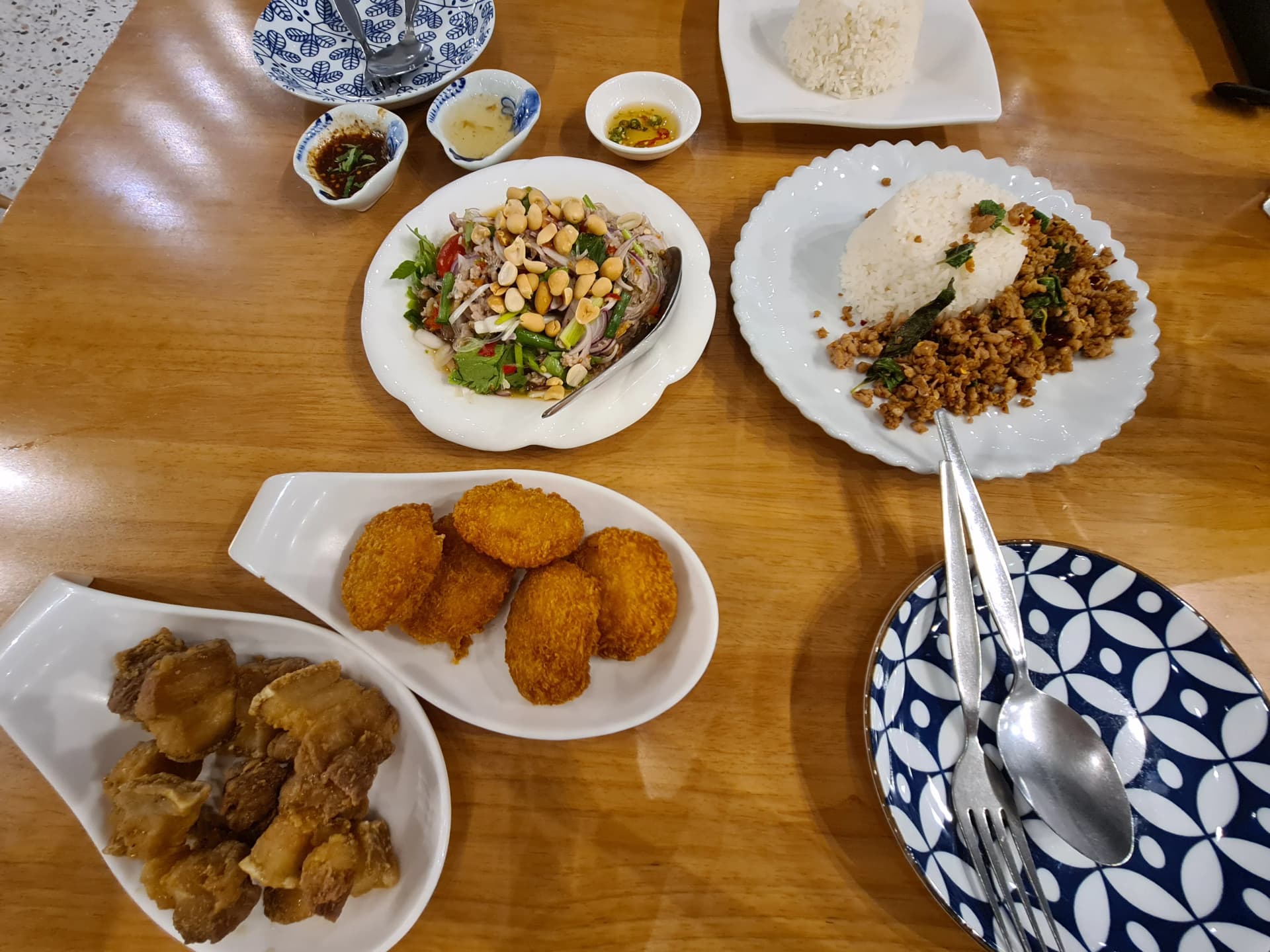
We didn't just go the once. After that first meal, the menu was good enough that we were back within a few days. On visit one, we ordered yam wun sen (ยำวุ้นเส้น), tod mun kung (ทอดมันกุ้ง), pad krapao mu sab (ผัดกะเพราหมูสับ), and a fried pork dish. Something tangy, something that works with rice, something fried. That combination meant even a first-timer wouldn't have had any reason to panic.
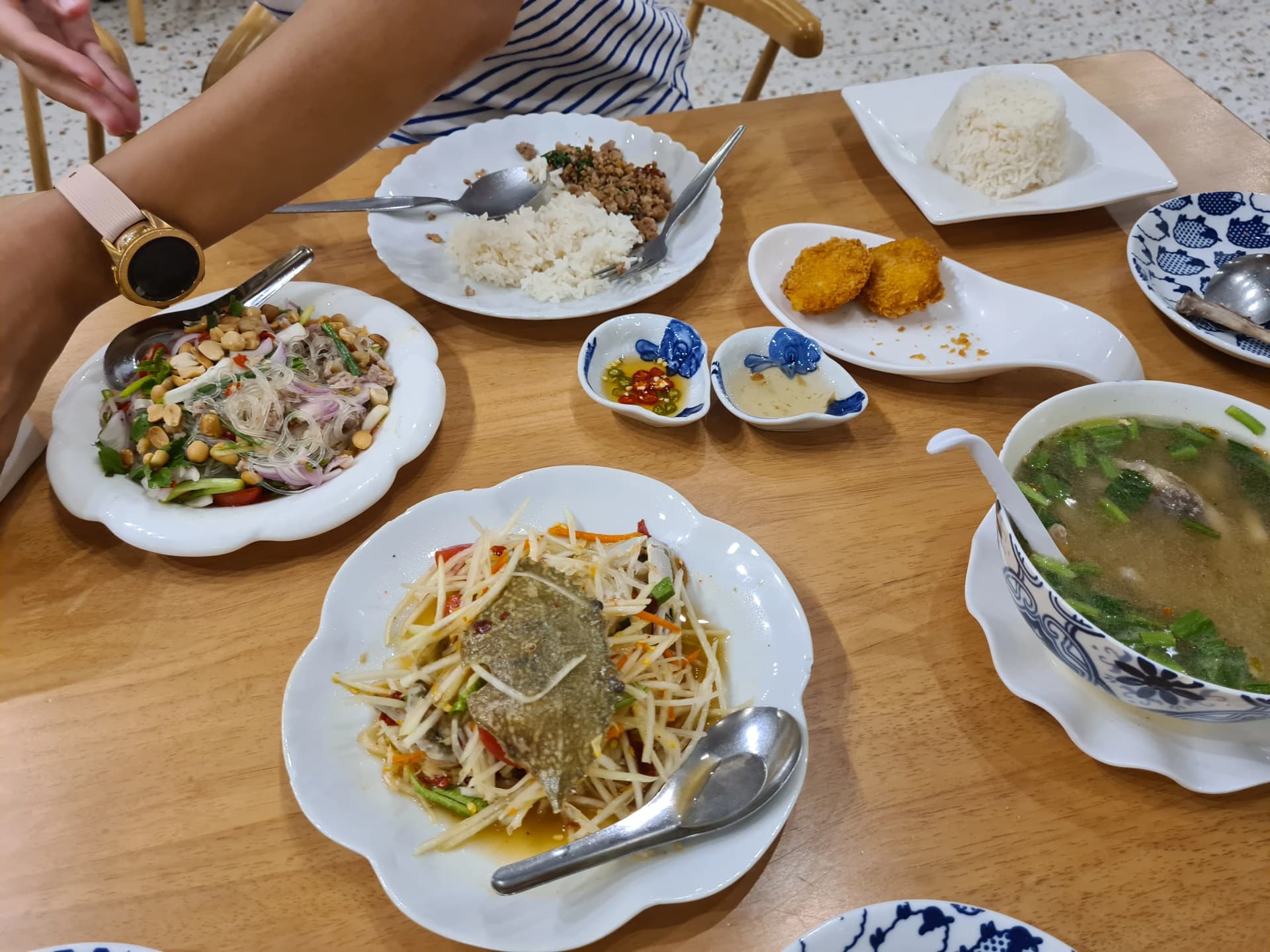
The second visit we went a bit more local. Ordered yam wun sen again — it earned its spot — but this time went for som tam poo pla ra (ส้มตำปูปลาร้า) instead of a milder som tam. The soup on the right was a spicy broth with chicken feet in it. Going twice really highlighted the difference: the first spread was approachable for almost anyone; the second one had way more of that true local Thai restaurant character to it.
Tod Mun Kung (ทอดมันกุ้ง) is way easier than the name makes it sound
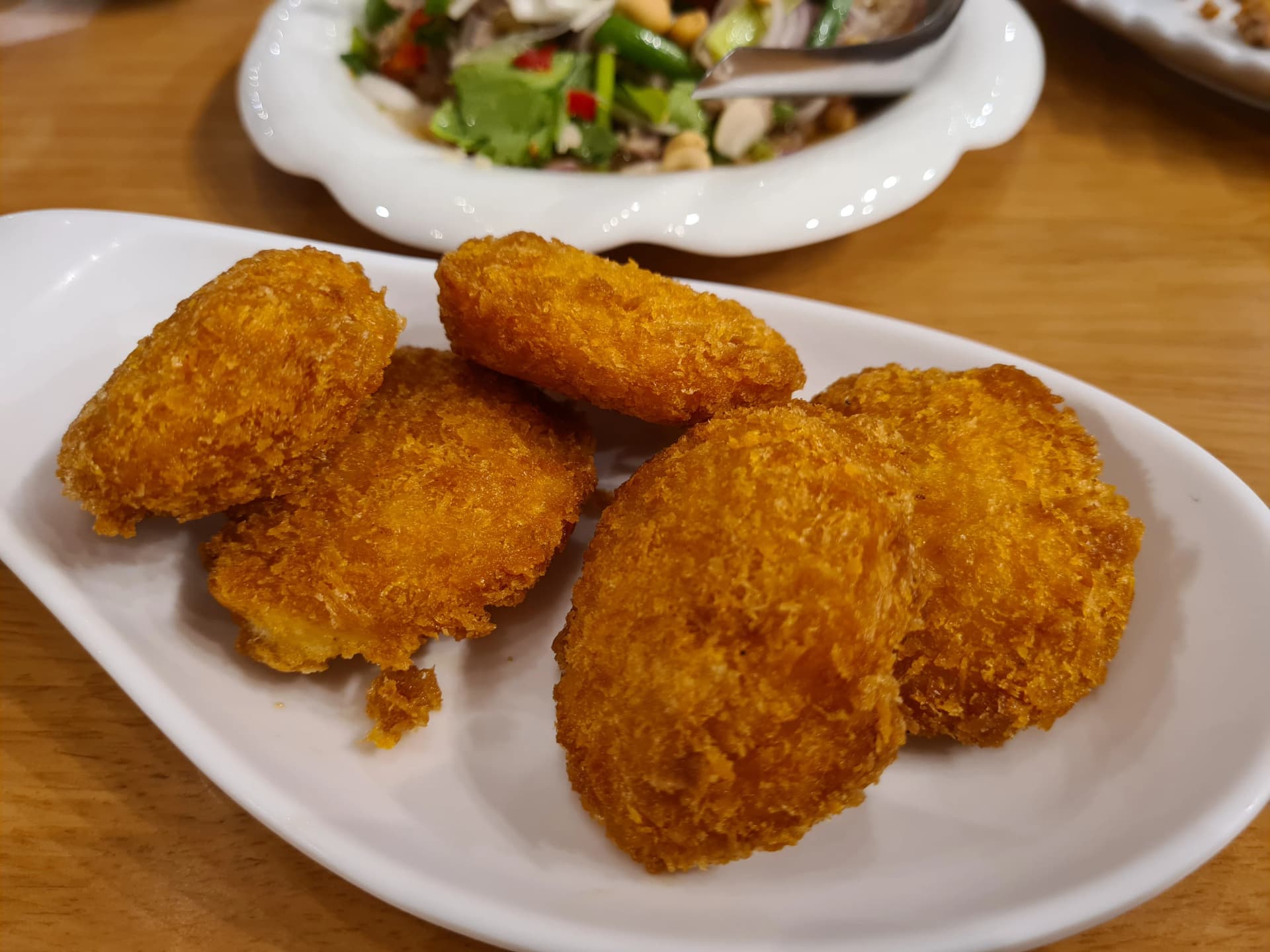
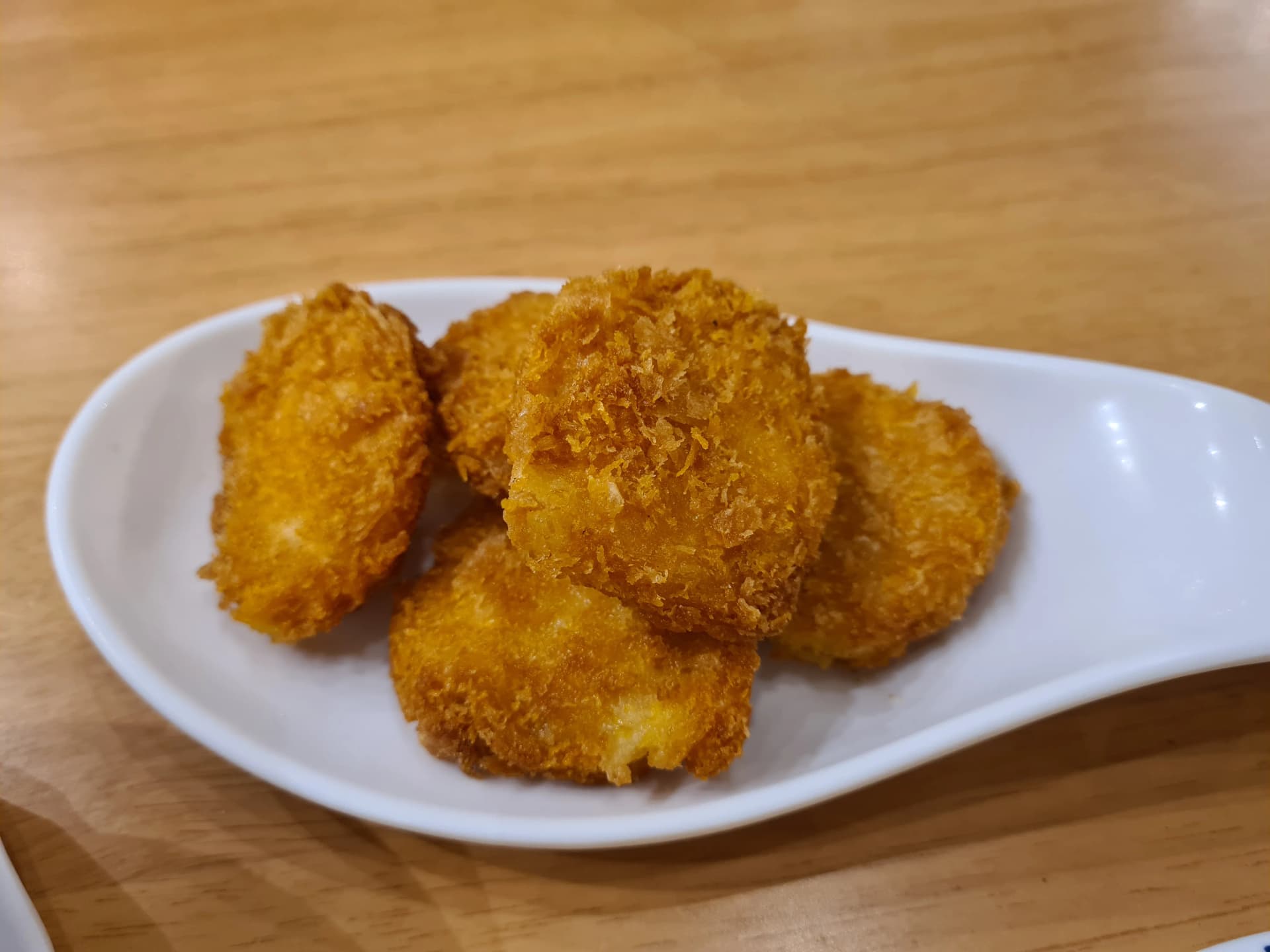
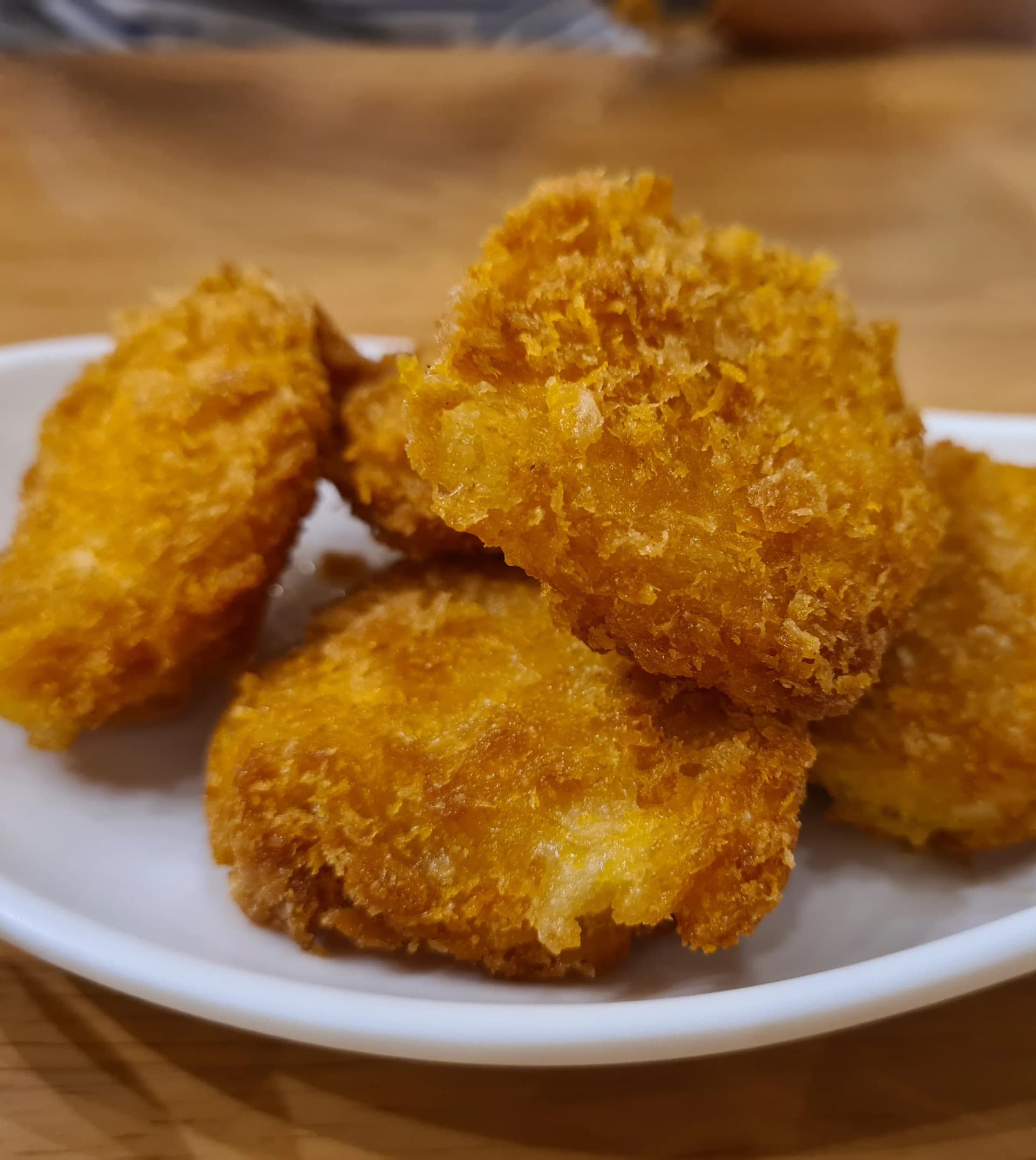
Ordering tod mun kung (ทอดมันกุ้ง) that day was a great call. The name doesn't tell you much, but the second it lands on the table, everyone knows what it is and wants some. Crispy on the outside, bouncy and firm on the inside — dead easy to grab one between the spicier dishes. Even if you brought someone along who'd never touched Thai food before, this one wouldn't faze them at all.
Tod mun kung is essentially a fried prawn cake, so the flavour is pretty straightforward. There's no fermented funk or strong herby punch up front — what you get first is that crunch and the prawn itself. Very accessible.
It's easy to mix up tod mun kung with plain tod mun, but they're quite different. Tod mun kung is the more beginner-friendly version; regular tod mun uses fish paste and has a stronger, more intensely local flavour profile. If you're not sure where to start, tod mun kung every time.
Yam Wun Sen (ยำวุ้นเส้น) was the dish that balanced the whole table
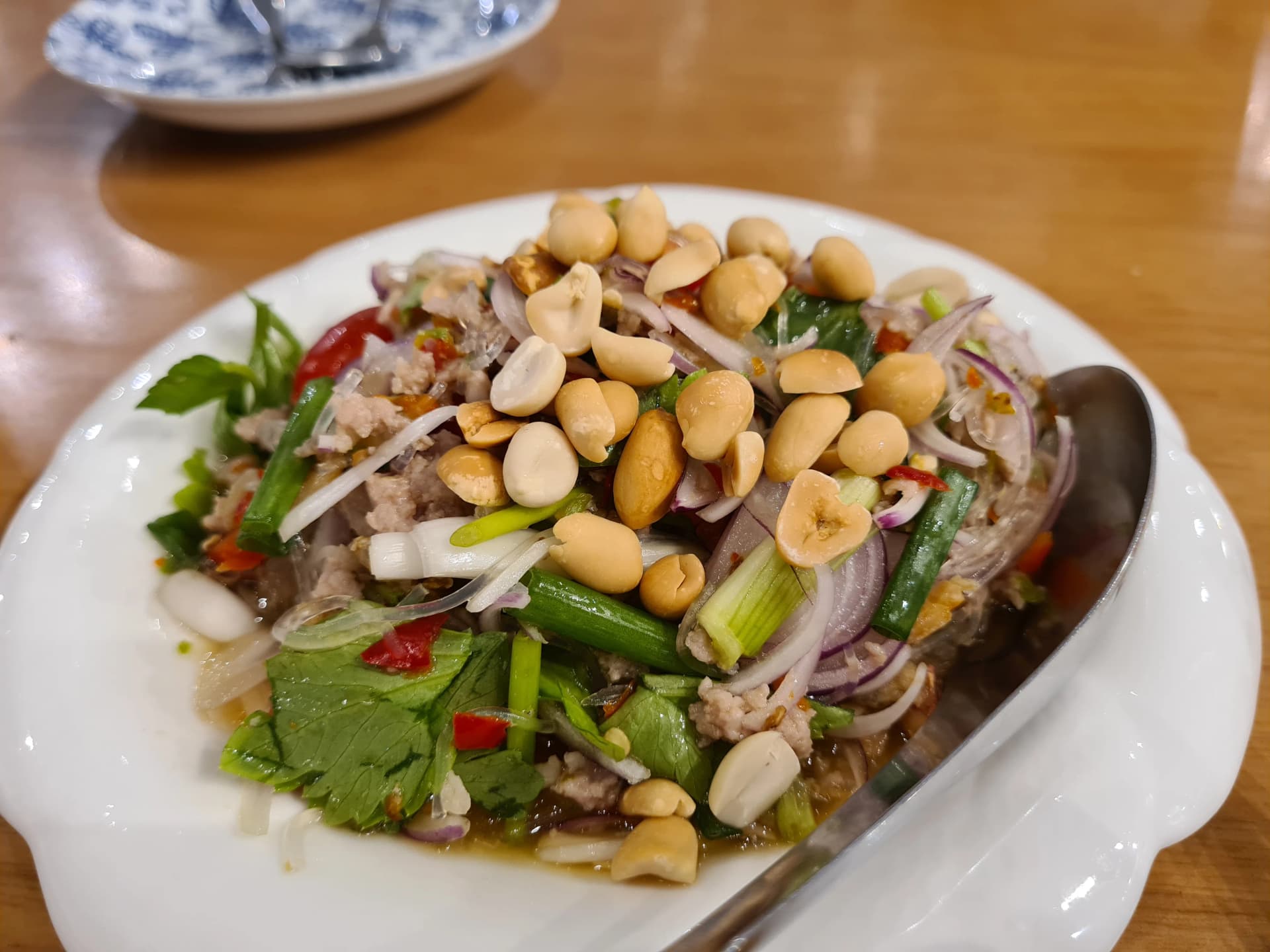
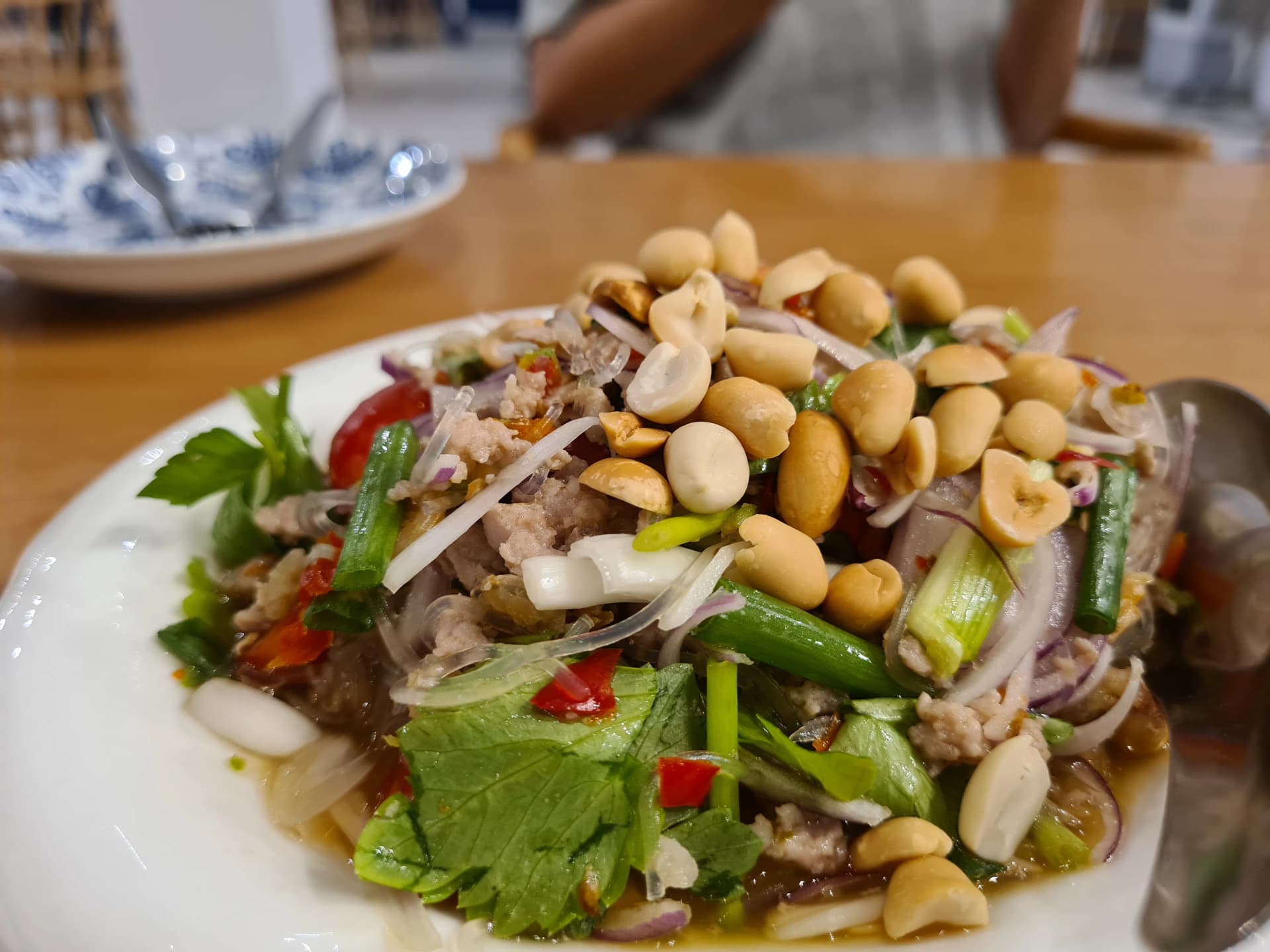
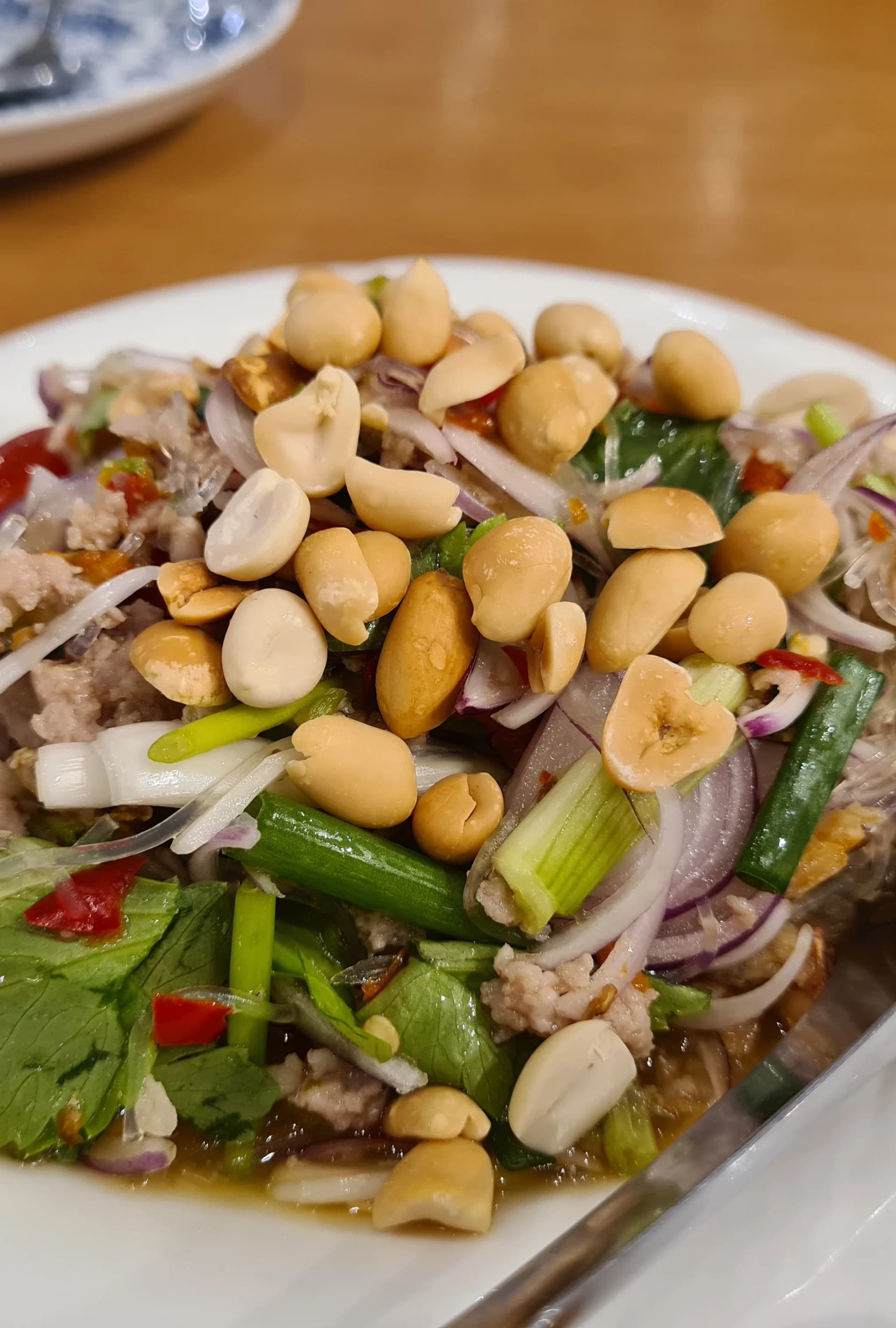
Yam wun sen (ยำวุ้นเส้น) was good enough to order again on the second visit — if it wasn't worth repeating, we wouldn't have. When you're working through a lot of meat and fried stuff, the table gets heavy fast. This dish cuts right through that. It's got glass noodles, so you might expect something mild or starchy, but the vibe is completely different — it's more like a punchy, tangy salad dressed with sour and salty flavours. Think of it like a Thai version of a cold noodle salad, but with a lot more attitude.
It's a pretty sour dish. Lime hits you straight up front. So if you're expecting something sweet and noodle-y, that first bite might catch you off guard. That said, for most Aussies it's not a hard dish to get into — the ingredients aren't alien, and it's way more approachable than anything heavily fermented. Just know the heat level varies a lot between restaurants. Some places keep it fresh and tangy; others chuck in a heap of chilli and it'll genuinely surprise you.
Pad Krapao Mu Sab (ผัดกะเพราหมูสับ) — you get it the second you taste it
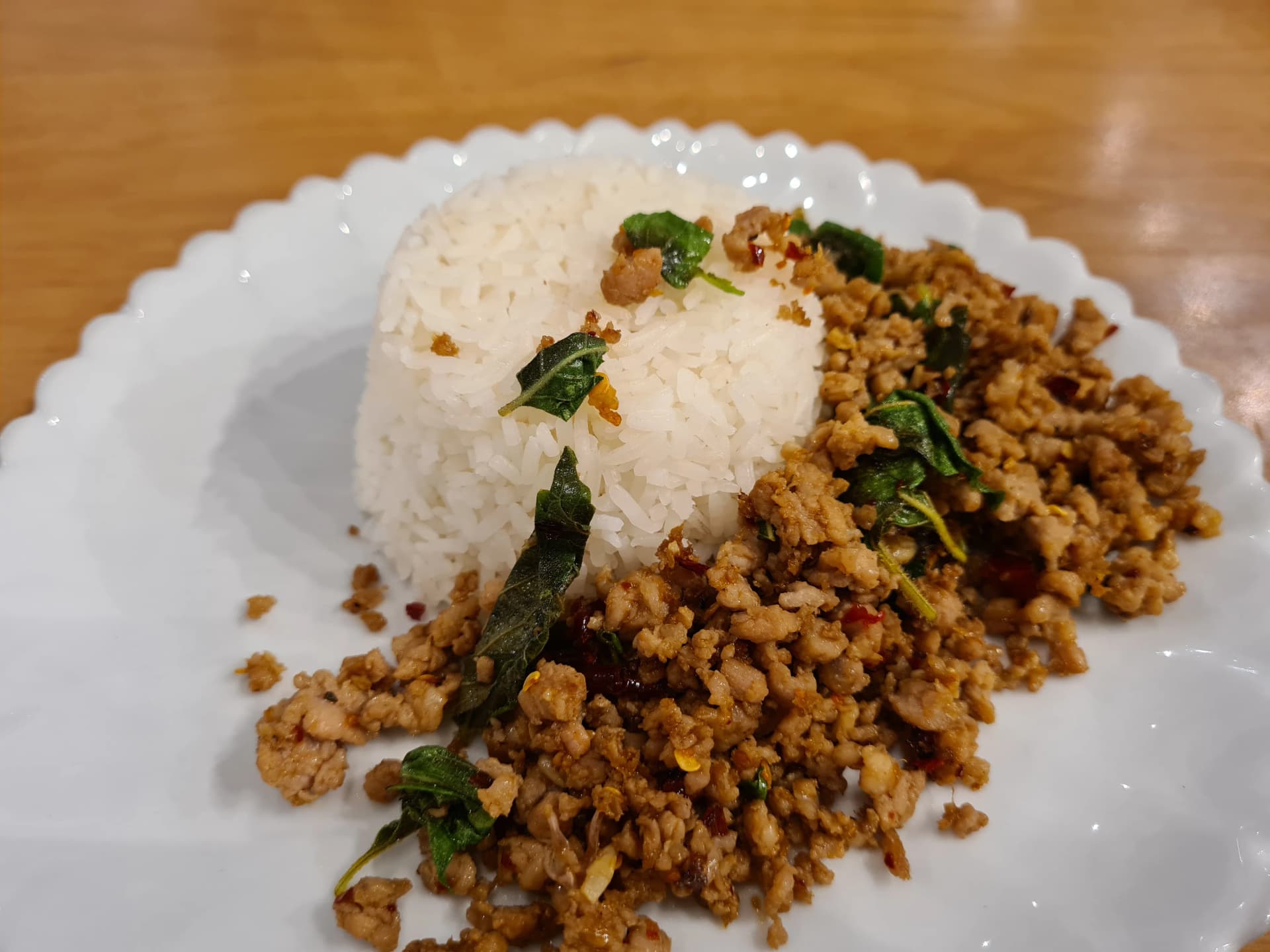
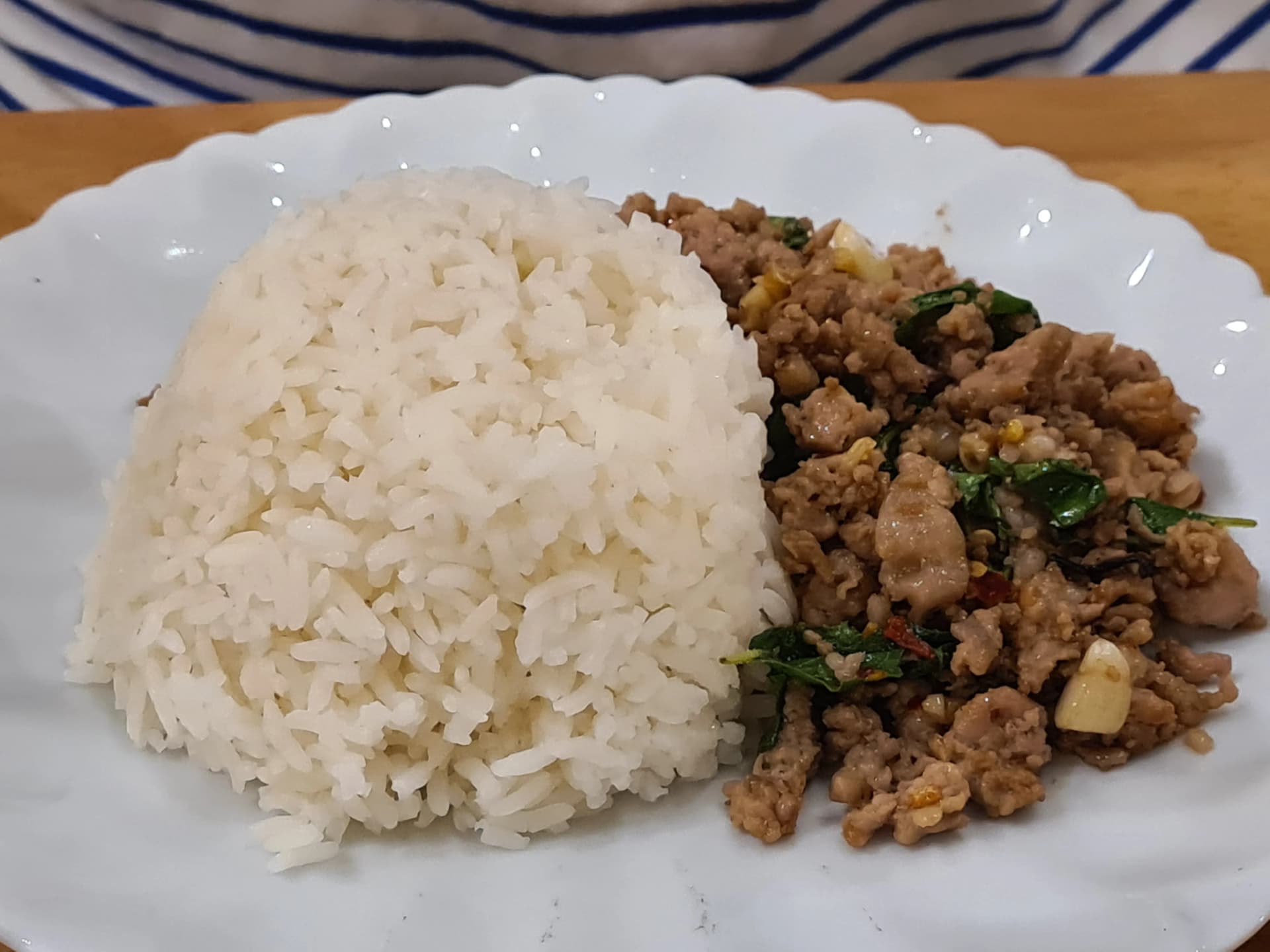
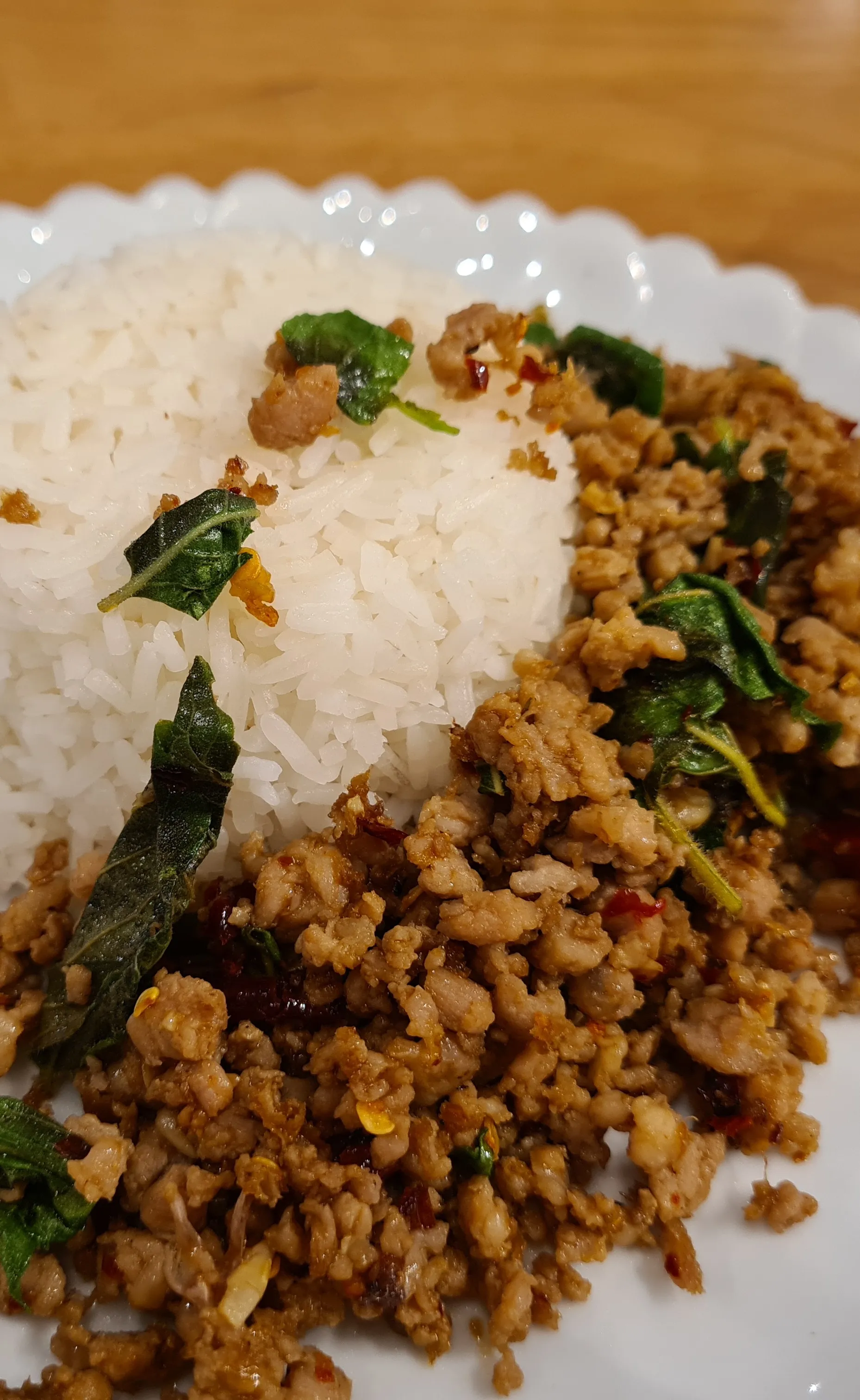
Pad krapao mu sab (ผัดกะเพราหมูสับ) is basically a staple at any Thai restaurant, and one bite tells you exactly why everyone orders it. Minced pork stir-fried with garlic, chilli, and krapao leaves — Thai holy basil — then eaten over rice. Sounds simple, but it absolutely isn't. It's salty, seriously savoury with good umami, and there's a slow-building heat that just keeps going. The kind of dish where your spoon doesn't stop moving and the rice disappears way faster than you planned.
The krapao aroma can be a little unexpected at first — it's not like Italian basil at all. But if the leaves feel too intense, you can eat around them without losing too much, because the base stir-fry is strong enough to carry the whole dish on its own. Heat levels do vary — some places get it beautifully spicy, others will knock your head off. Overall though, it's one of the more accessible dishes on a local Thai restaurant menu. If I had to point someone to just one dish, this is it.
The second visit pulled us toward the more local end of the menu
The energy on the second visit was different from the start. The first time we played it safe; this time we naturally gravitated toward what the locals were actually eating. Going to the same restaurant twice gives you a much clearer picture of what the place is really about. And the biggest shift — the thing that made the difference most obvious — was the som tam choice.
Som Tam Poo Pla Ra (ส้มตำปูปลาร้า) is a next-level dish, not a beginner one
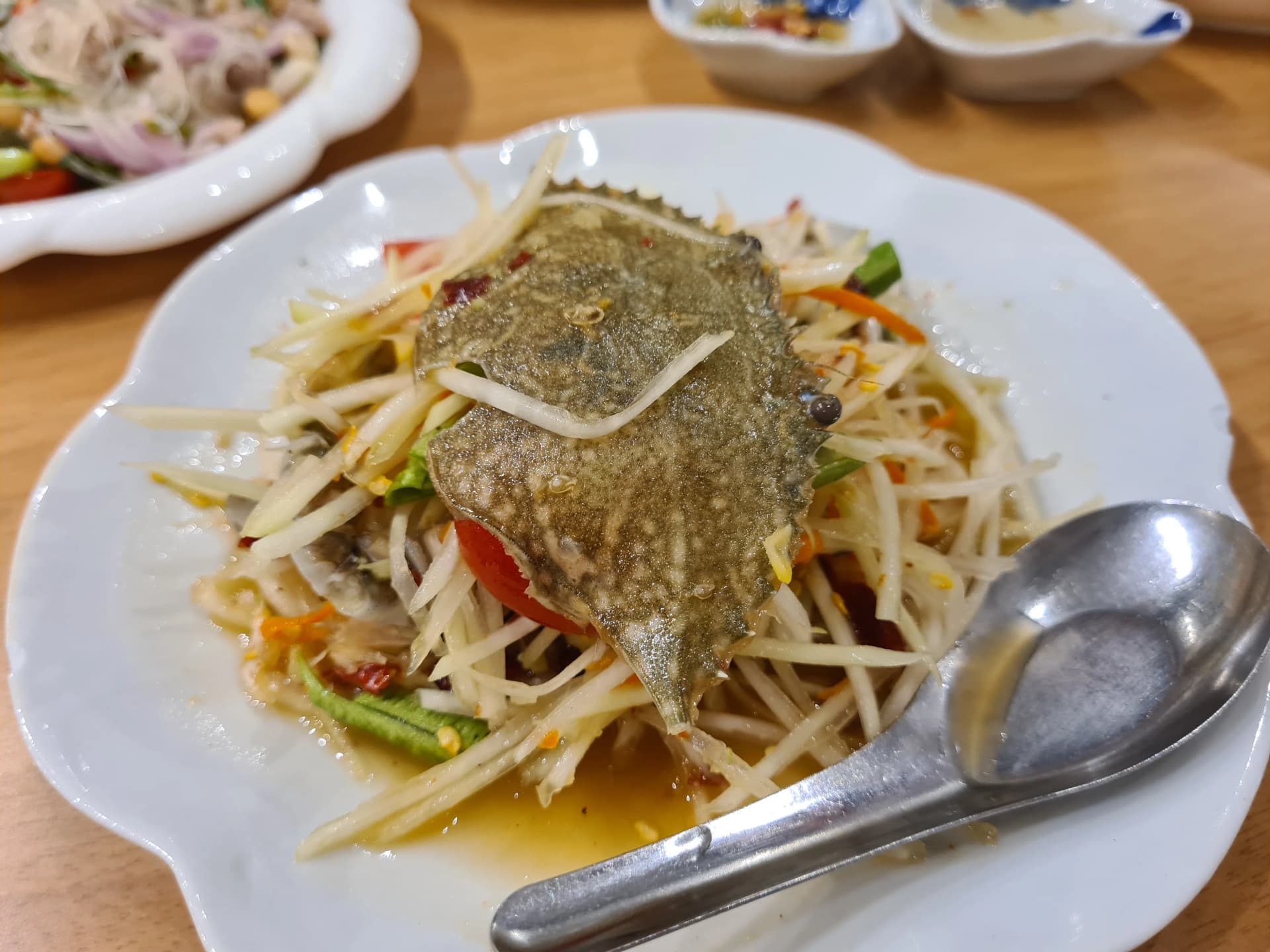
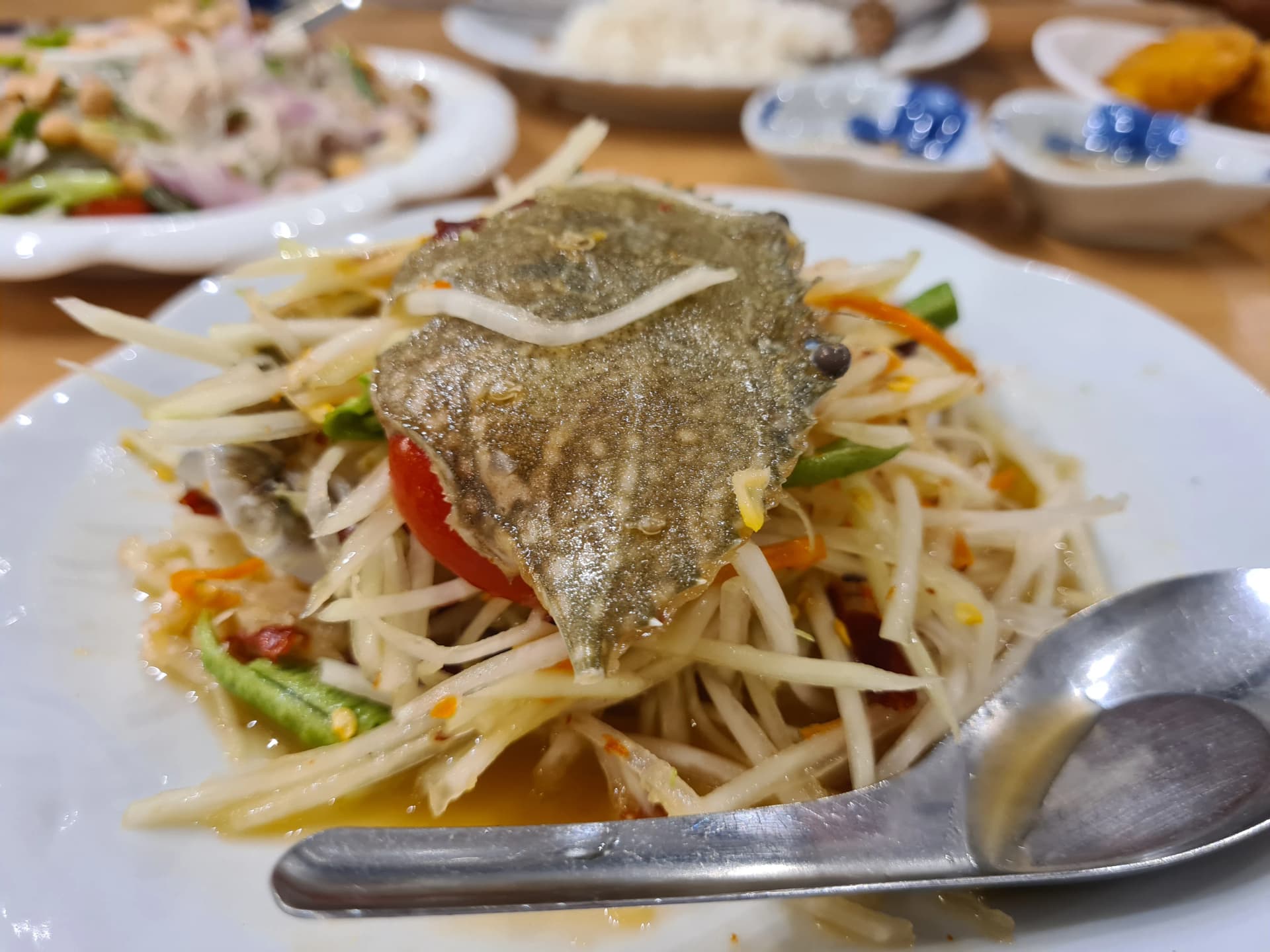
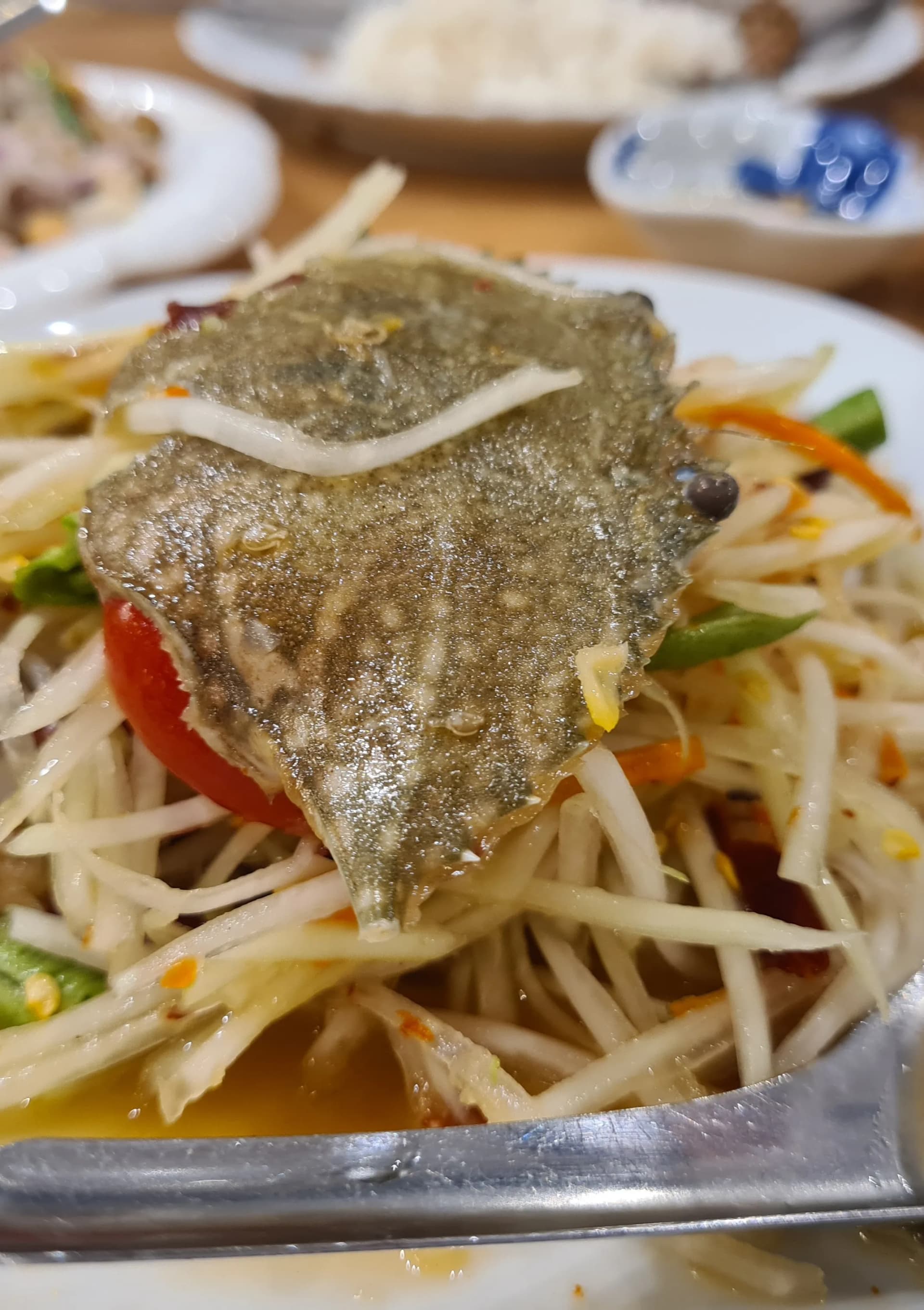
This one is som tam poo pla ra (ส้มตำปูปลาร้า). Thais eat it all the time, but honestly, if it's your first trip to Thailand, this is a bit of a leap. It's the classic shredded green papaya salad — spicy, sour — but with crab and pla ra (fermented fish sauce) in the mix, and that shifts the whole thing hard into local territory. It's not a fresh, zingy salad anymore. It's crunchy shredded vegetables with a deep, funky fermented backbone. Think of it like a very punchy coleslaw crossed with something fermented — like fish sauce cranked up several notches. It goes way beyond what you'd expect from a regular salad.
First time with som tam? Go Som Tam Thai (ส้มตำไทย). The sweet-sour balance is much more approachable and it's a great intro dish for early in a Thailand trip — no nasty surprises.
Som Tam Poo Pla Ra (ส้มตำปูปลาร้า) is a whole different level — deeper, more fermented, more intensely local. It's not just spicier, the whole flavour profile is more complex. Get comfortable with the Thai version first, then work your way here. Trust me, it makes much more sense that way.
It wasn't until I'd eaten a fair bit of Thai food that som tam poo pla ra actually clicked for me. First time around you might wonder what all the fuss is about. But eat it a few times and you start to genuinely understand why Thais crave this flavour as an everyday thing. Just be upfront with yourself — it's a legitimately challenging dish for a first go. That's not a criticism, just the honest truth.
The side dishes we got alongside everything else
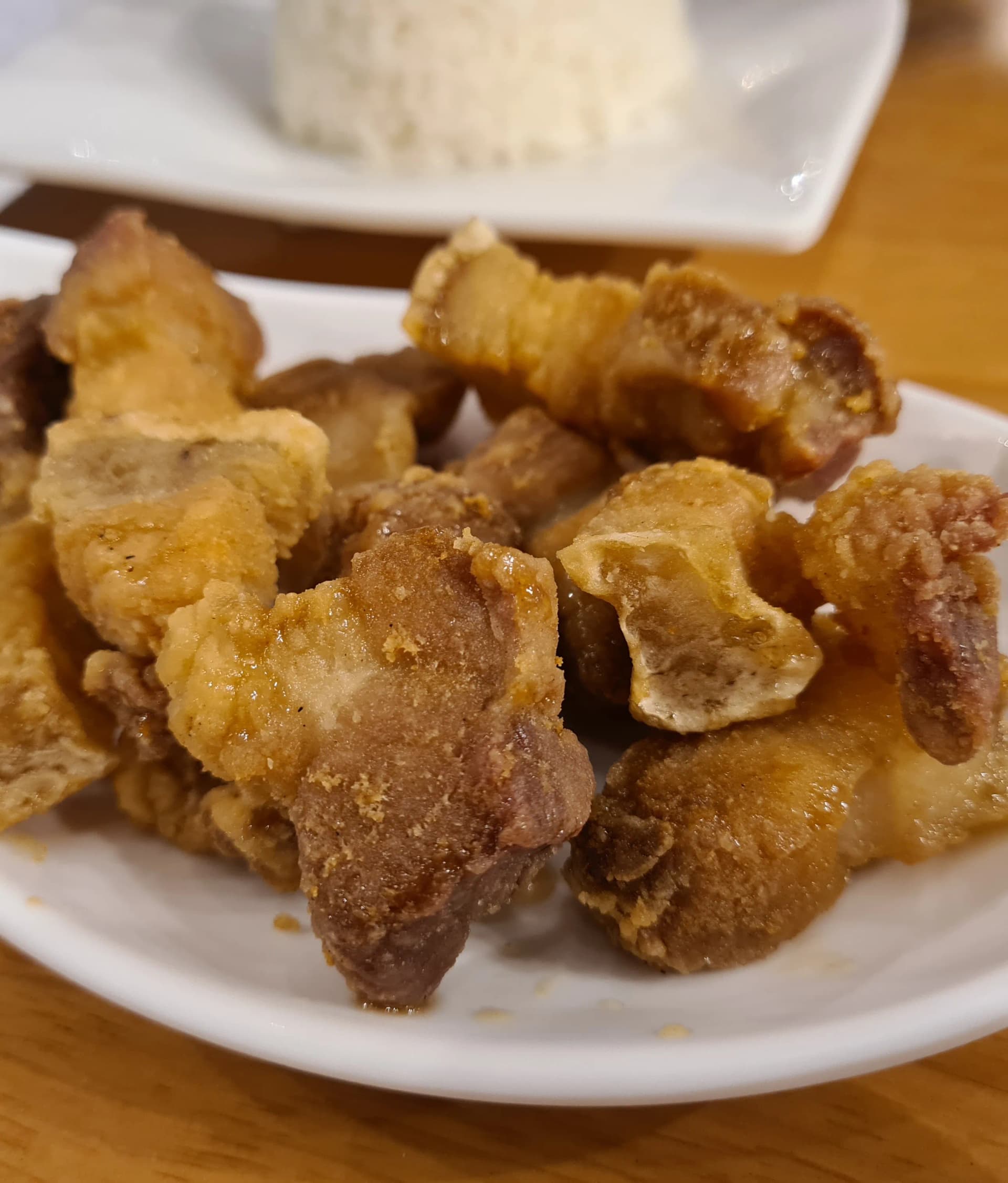
We also grabbed a fried pork dish on the side. Doesn't really need much of an explanation — it's the kind of thing that disappears from the table without anyone really noticing. Even if you're sitting with someone who's never had Thai food before, this one's a completely safe bet.
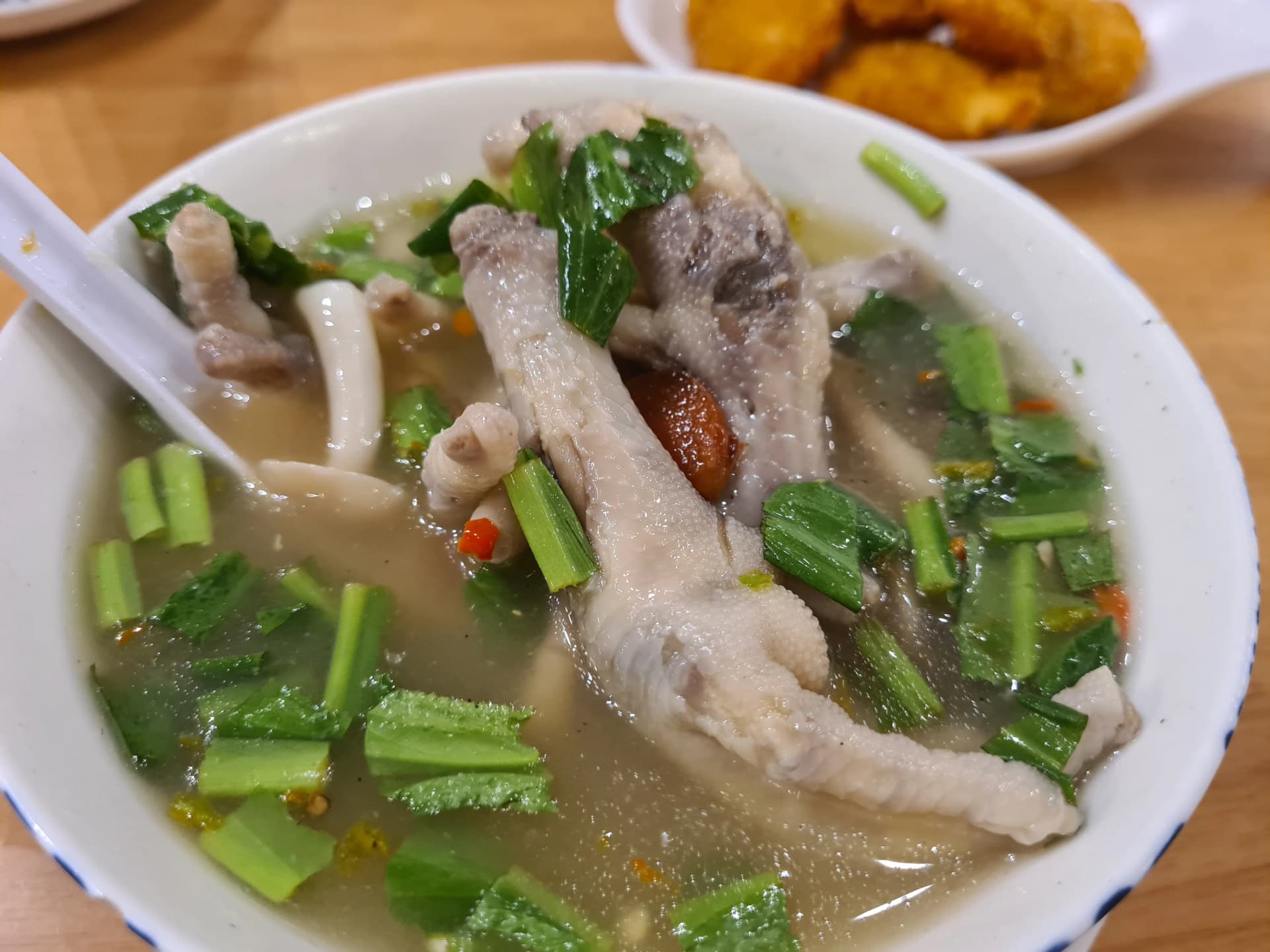
We also ordered a spicy soup with chicken feet. Not going to go too deep on this one — just worth knowing that having a soup alongside the other dishes is pretty common in local Thai restaurants. If chicken feet are your thing, you'll be pretty happy with this. If not, there are easier soup options on the menu.
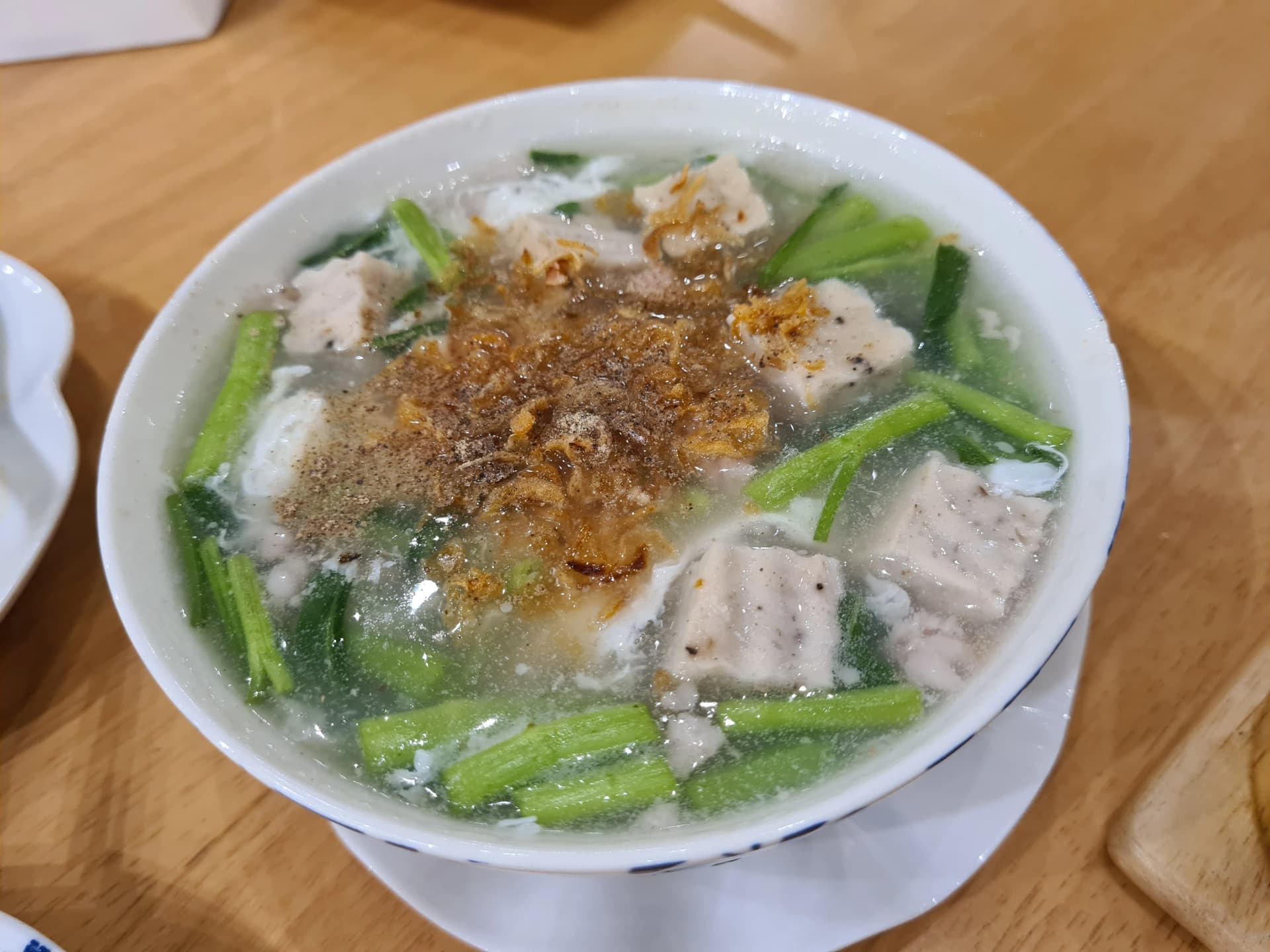
And this is the mild clear broth I mentioned earlier. Overall it was pretty subtle — not a lot going on flavour-wise. But when you've got a bunch of spicy dishes on the table, something this gentle is actually really useful. It gives you a proper reset between bites. Not the most memorable thing we ate, but it did exactly what it needed to do.
What you actually notice when you eat at a local Thai restaurant
Local Thai restaurants have a much wider menu range than most people expect. If you only go in for one famous dish, you're honestly missing half the experience. There's stuff like yam wun sen to keep things light and fresh, pad krapao mu sab to make your rice disappear at an alarming rate, and tod mun kung that works for pretty much anyone at the table. Then there's som tam poo pla ra waiting for when you're ready to go deeper into local Thai food territory.
The names can look intimidating at first, but mixing a few approachable dishes with one or two more adventurous ones makes the whole meal heaps more enjoyable. Going twice really sharpened that for me. The first table was comfortable and crowd-pleasing; the second had way more local character and pushed things further. If you end up in a local Thai restaurant during your trip, don't sprint straight at the most intense dishes on day one. Get your bearings with a few easier options, find your feet, then start edging toward the deeper stuff. That's the approach that left us the least confused — and with the best memories.
This post was originally published on https://hi-jsb.blog.