
Yakisoba Buldak Review: Is This Japan-Exclusive Flavor Actually Not Spicy?
Table of Contents
14 items
How I Discovered This Japan-Exclusive Buldak Flavor
When I was browsing the ramen aisle at Lotte Mart (one of Korea's major supermarket chains), I spotted something interesting right next to the 4-Cheese Buldak I was grabbing. There it was—Yakisoba Buldak with its eye-catching Japanese packaging. This is the legendary flavor that became a must-buy souvenir for tourists visiting Japan, and due to overwhelming demand, it got reverse-imported back to Korea. Seeing it in person, there was no way I could just walk past it.
So I quietly slipped it into my cart alongside the 4-Cheese. The combination of savory Japanese yakisoba and fiery Korean Buldak? I was dying to see what kind of flavor magic that would create. I rushed home to try it, and here's my honest take.
Japanese Festival Vibes on the Packaging
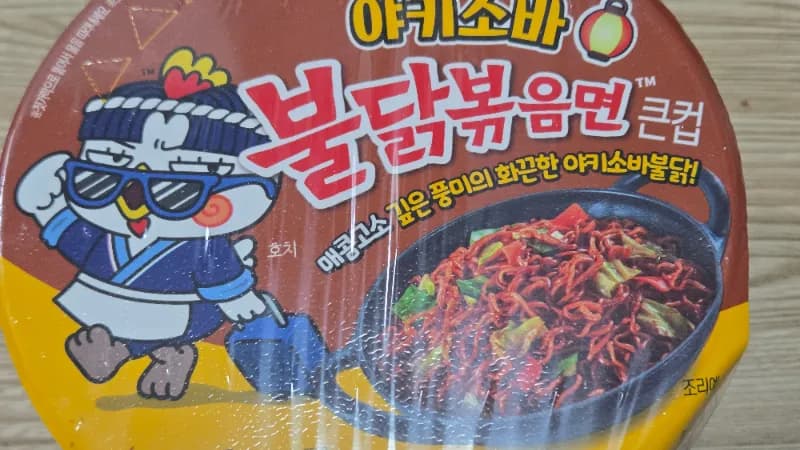
The packaging is dripping with Japanese aesthetics. Hochi, the iconic Buldak mascot, is decked out in traditional Japanese festival attire complete with sunglasses—looking pretty cool, I have to say. The tagline promises "rich, savory-spicy depth," which had me wondering how they'd blend yakisoba's signature salty-sweet sauce with Buldak's infamous heat. The product photo on the package looks thick and saucy, so let's crack this open and find out if it delivers.
Clever Water Drainage System
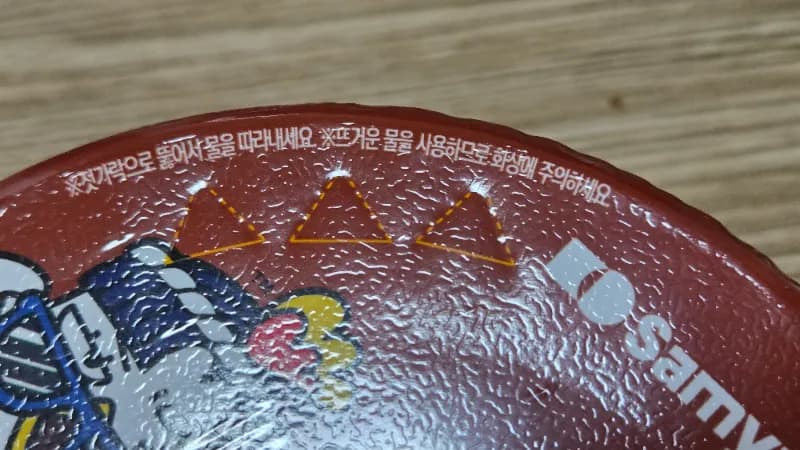
There's a triangular perforation on the lid designed for draining water. If you're familiar with Asian cup noodles, you've probably seen this feature that's become standard on stir-fry style instant noodles in recent years. You simply poke through the marked spots with chopsticks to drain the water. Gone are the days of nervously tilting the lid and watching half your noodles escape into the sink. It's a small detail, but being able to drain water cleanly without sacrificing a single noodle strand is genuinely satisfying. I'll admit—back in the day, I've definitely lost a solid 30-40% of my noodles trying to drain water the old-fashioned way.
Sodium Content Check
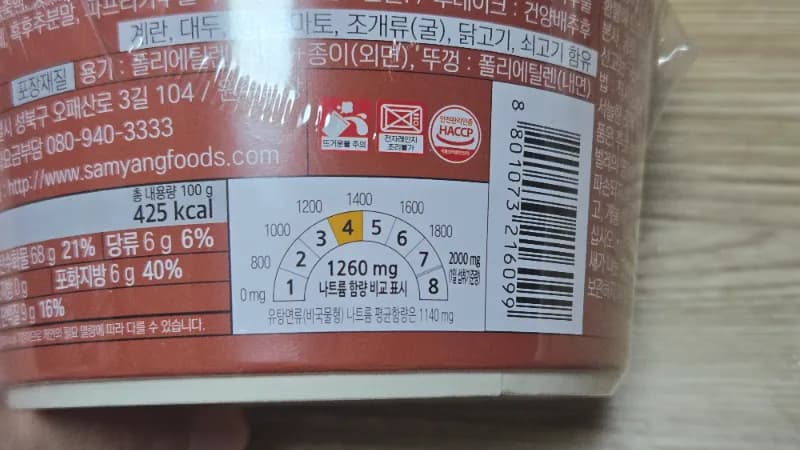
Korean instant noodles now come with these handy sodium comparison charts on the side panel—a response to growing health consciousness among consumers. It's become pretty much standard across the industry to show at a glance how a product stacks up.
This one contains 1,260mg of sodium, placing it at level 4 out of 8 on the scale. For context, the average for non-soup fried noodles in Korea is 1,140mg, so this runs slightly higher. That makes sense given yakisoba's characteristically savory-salty flavor profile. If you're watching your sodium intake, this is worth noting—though for reference, that's about 53% of the typical daily recommended value of 2,300mg.
Simple Cooking Instructions
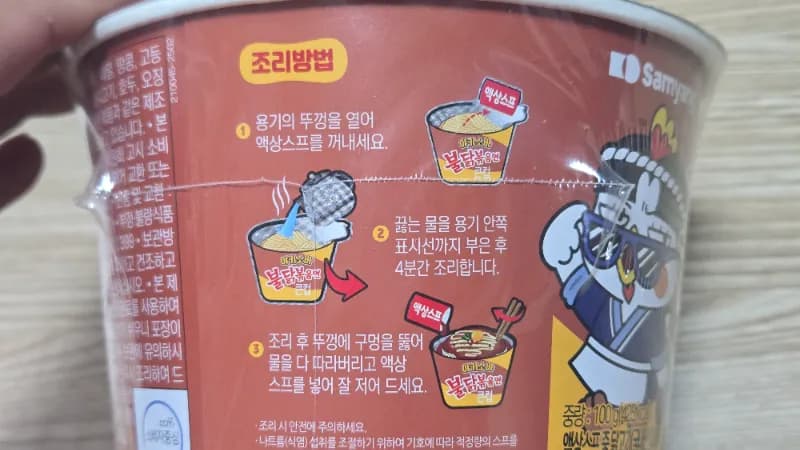
Hochi walks you through the cooking process on the side panel, and it couldn't be simpler. Open the lid, remove the sauce packet, pour in boiling water, and wait 4 minutes. Then poke holes in the lid to drain ALL the water before adding the sauce and mixing. Unlike the 4-Cheese Buldak I reviewed before (which uses a microwave method without draining), this one follows the classic stir-fry noodle approach. The key emphasis here is draining the water completely—any remaining moisture will dilute the sauce and make the flavor disappointingly weak.
Dietary & Allergen Information for Global Readers
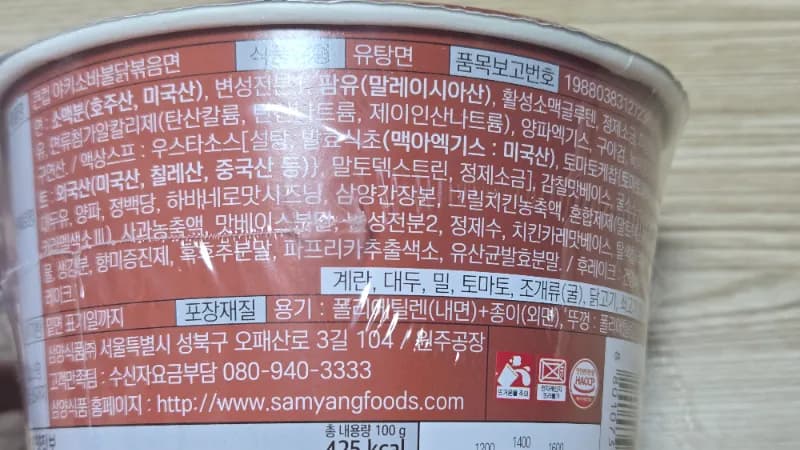
A closer look at the ingredients reveals this product contains egg, soy, wheat, tomato, chicken, and beef. Here's the important takeaway: while there's no pork, beef IS included.
Since this blog reaches readers worldwide through translations, I want to make sure those with religious or cultural dietary considerations have clear information. If you follow a Hindu diet that excludes beef, you'll want to skip this one. On the flip side, if you avoid pork for religious reasons (such as halal dietary laws), you can note that pork is not listed in the ingredients—though this product is not halal-certified, so please make your own informed decision.
What's Inside: Minimalist Contents
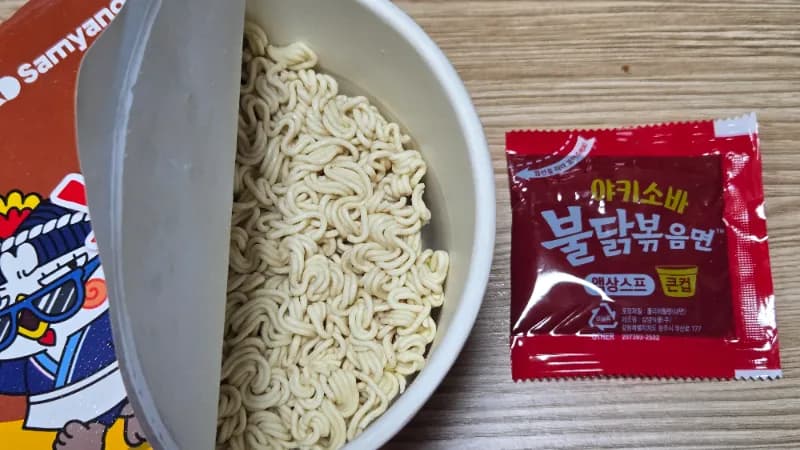
Popping open the lid reveals a beautifully simple setup: just noodles and one liquid sauce packet. Many specialty Buldak flavors like Carbonara or Cheese come with separate powder packets that need mixing, but this one keeps it streamlined with a single all-in-one sauce. The key thing to note is that this isn't the standard Buldak hot sauce—it's a specially formulated Yakisoba Buldak sauce that aims to capture both the yakisoba essence and Buldak kick in one packet. No fussing with multiple seasonings, which I actually appreciate.
Step 1: Add Boiling Water
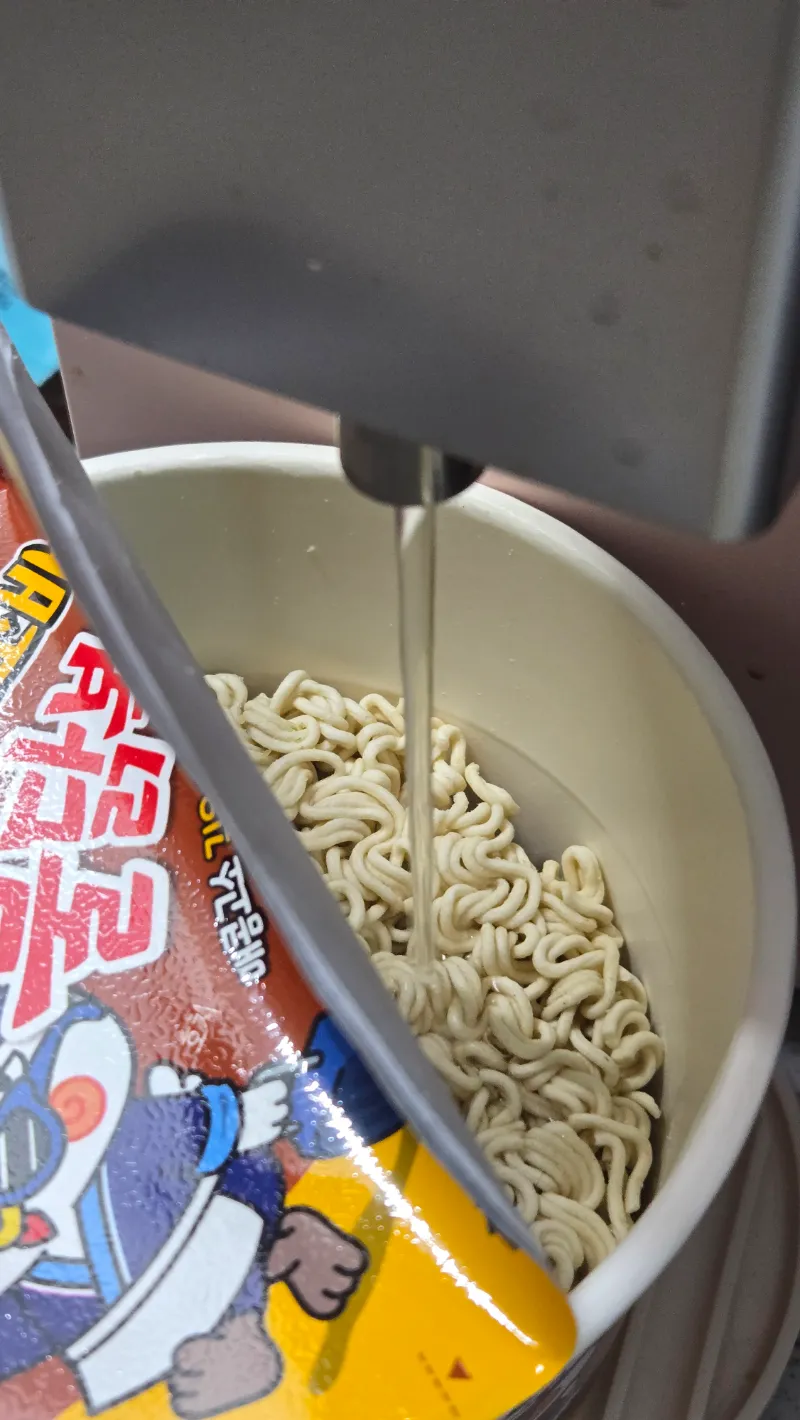
I filled it with hot water from my dispenser right up to the marked line inside the cup. Now it's time to close the lid and wait 4 minutes while anticipation builds.
Step 2: Drain the Water (Pro Tip)
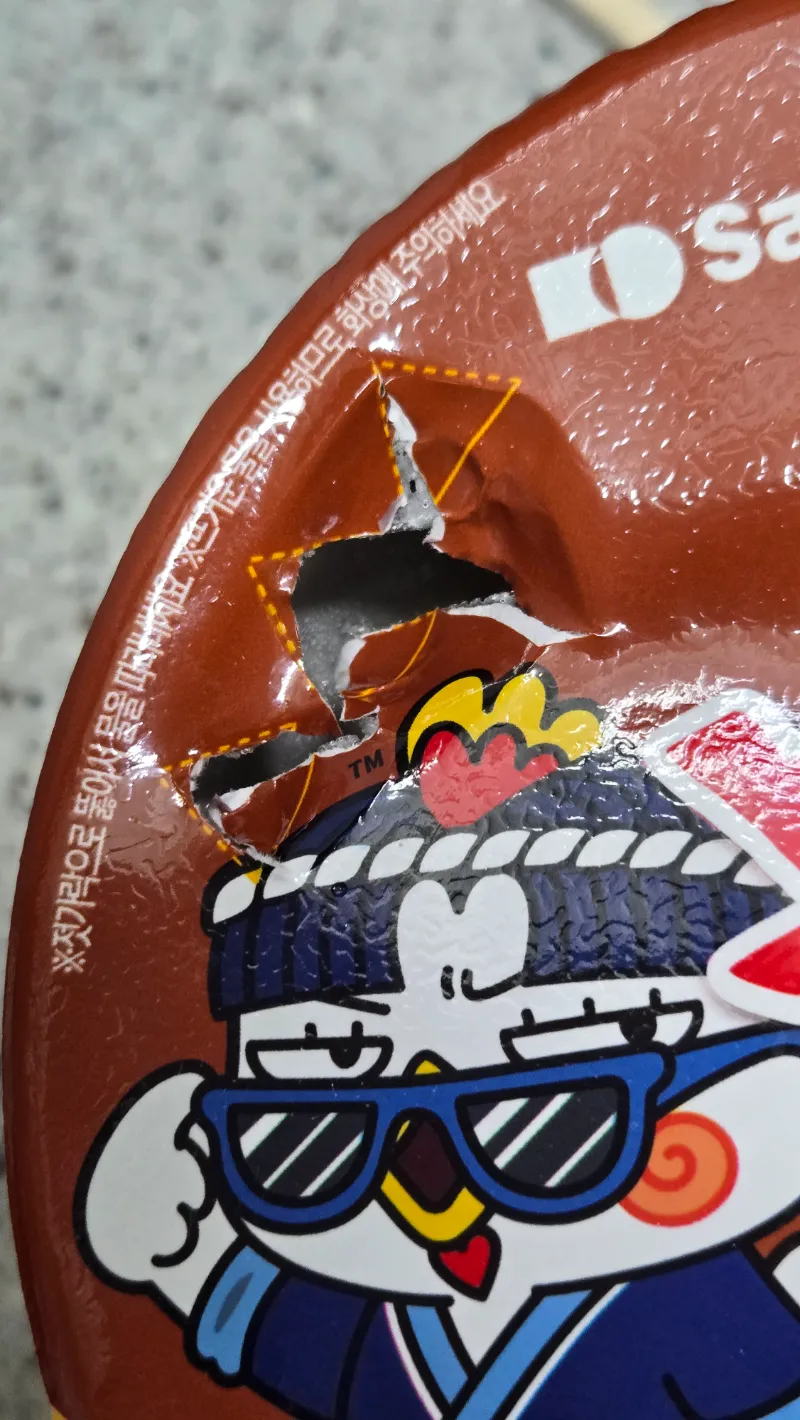
After 4 minutes with nicely softened noodles, it's draining time. Here's my pro tip: don't be delicate when poking those drainage holes. Go bigger than the marked triangles suggest. If you follow the instructions too literally and make tiny holes, you'll be standing there forever watching water trickle out at a painfully slow pace. When you're hungry, watching that slow drip is absolute torture. Make the holes big enough to let water flow freely (but not so big that noodles escape), and your mental health will thank you.
Step 3: Sauce Added
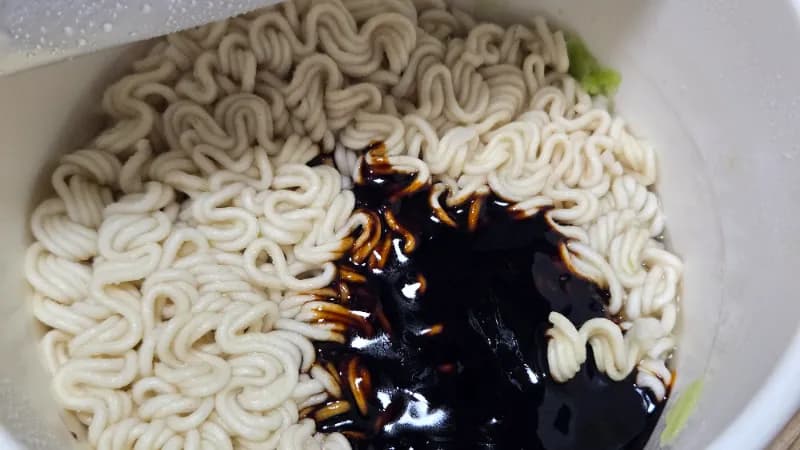
Water fully drained, sauce packet squeezed in. I'll be honest—at this stage, the visuals are pretty underwhelming. Not much going on in terms of visible ingredients, and you can really tell this is cup noodle tier. But let's not judge too quickly.
Step 4: Mixed and Ready
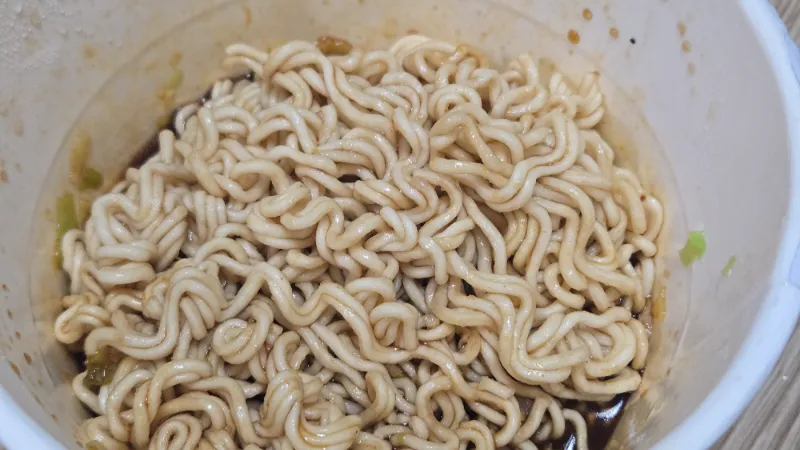
After thorough mixing, the signature Buldak red is nowhere to be seen—just a brown, almost caramel-like color. Visually, this looks completely non-threatening, which could definitely lull you into a false sense of security if you're expecting typical Buldak heat.
Step 5: The Noodle Pull
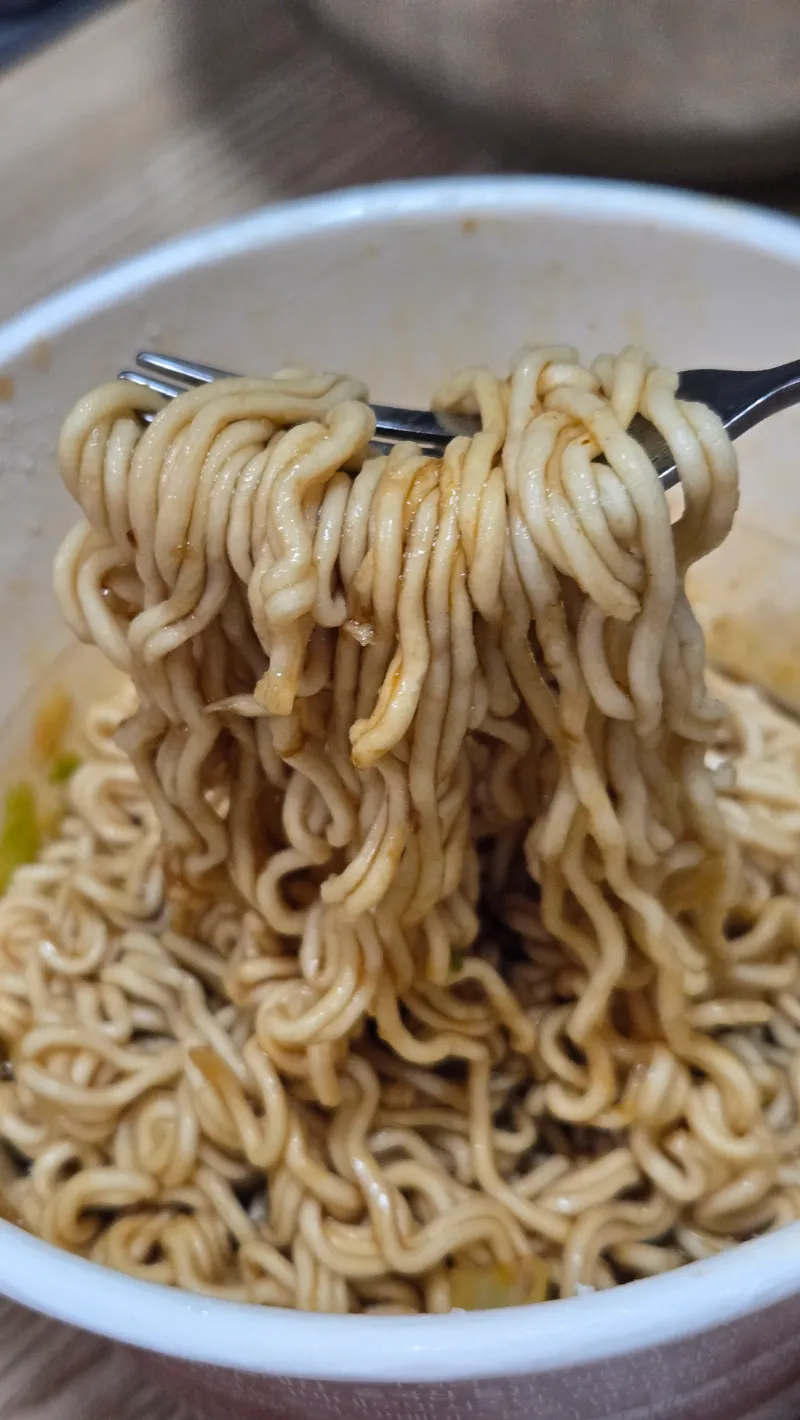
Lifting up a generous chopstick-full, I can see the yakisoba sauce has coated the noodles beautifully—nice and glossy with sauce clinging to every strand. The coating game is strong here. It looks like regular soy sauce noodles on the surface, but somewhere in there, Buldak's fire should be hiding. Time to take the plunge with a mix of excitement and nervous anticipation.
Taste Verdict: Where's the Fire?
First bite in, and you can immediately tell they put serious effort into nailing that authentic Japanese yakisoba profile. The sweet-savory-salty balance that defines yakisoba is genuinely well-executed here.
But here's the thing that kept making me tilt my head: "Is this really supposed to be Buldak?" For me personally, the spice was barely noticeable. When you think Buldak, you expect that signature punch of heat that hits your mouth and doesn't let go. This? This is genuinely mild. My guess is they calibrated this for the Japanese market, where extreme spiciness isn't as mainstream, aiming for broad appeal over hardcore heat.
This completely shattered my mental framework of "Buldak = guaranteed fire." But if I'm being critical, the main drawback is that it lacks a distinctive identity. Don't get me wrong—it's not bad. It just tastes remarkably similar to other yakisoba cup noodles you can grab at any Japanese convenience store. I wish there was more of that signature Buldak kick to set it apart from the pack.
Final Thoughts
Bottom line: Yakisoba Buldak is a product that prioritizes capturing authentic yakisoba's sweet-and-savory charm over delivering serious heat. If you've been curious about the Buldak hype but terrified of its reputation for face-melting spiciness, this could actually be the perfect gateway flavor. For spice-sensitive folks, this is an excellent entry point into the Buldak universe.
On the flip side, if you're like me and looking for that cathartic, stress-relieving burn, this might feel a bit too tame. In that case, I'd suggest adding a squeeze of mayo for extra richness, or going bold with some red pepper flakes to dial up the heat yourself.
As an occasional change of pace from your regular instant noodle rotation, it's got definite appeal. I've still got plenty more ramen discoveries waiting in my Lotte Mart haul, so stay tuned for the next review.
This content was originally published at https://hi-jsb.blog