
Mouthwatering Korean Jokbal: Every Type, Price & How to Eat It
Table of Contents
22 items
Jokbal: A Must-Try Dish on Your Korea Trip
I've been introducing must-try foods for anyone traveling to Korea, and today's installment is all about jokbal — Korean braised pork trotters. Jokbal is made by slow-braising pig's front or hind feet in a rich mixture of soy sauce, garlic, ginger, and various seasonings. It's a beloved Korean comfort food that's been cherished for generations. The unique combination of chewy, bouncy skin and tender, deeply seasoned meat creates something truly special — even first-timers from abroad tend to fall head over heels after just one bite. I know "boiled pig's feet" might sound a little intimidating, but trust me, once you actually try it, a whole new world opens up.
How Much Does Korean Jokbal Cost?
Compared to the average Korean meal (roughly $6–$11 per person), jokbal is on the pricier side. But when you consider all the effort that goes into preparing it — from the meticulous trimming to the hours-long braising process — and more importantly, how incredibly satisfying it tastes, it's absolutely worth every penny. Check out the table below to plan your budget.
Jokbal Price Guide
Estimated cost for 2 people
| Size | Price | Fullness |
|---|---|---|
| Small | ~$15 | ⭐⭐ |
| Medium | ~$23 | ⭐⭐⭐ |
| Large | $30–$38 | ⭐⭐⭐⭐⭐ |
🍽️ Tip for 2 people: If you want to eat until you're properly full, go for the $30–$38 range.
The medium size can leave you wanting more.
💡 Compared to an average Korean meal at $6–$11 per person,
jokbal is relatively expensive — but
as a special experience, it's totally worth it 😊
Classic Jokbal — The Standard, Start Here
This right here is classic jokbal. It's the most common style you'll find on the menu at any jokbal specialty restaurant or regular Korean eatery. Pig's feet are slow-braised in soy sauce, garlic, ginger, and other seasonings, then sliced into bite-sized pieces and served on a platter. The outside has a gorgeous, glossy brown sheen, while the inside reveals layers of tender meat and chewy skin stacked on top of each other. It might look a bit unfamiliar at first, but the moment you pop a piece in your mouth and feel that simultaneous softness and bounce, you'll instantly understand why Koreans are so obsessed with this dish.
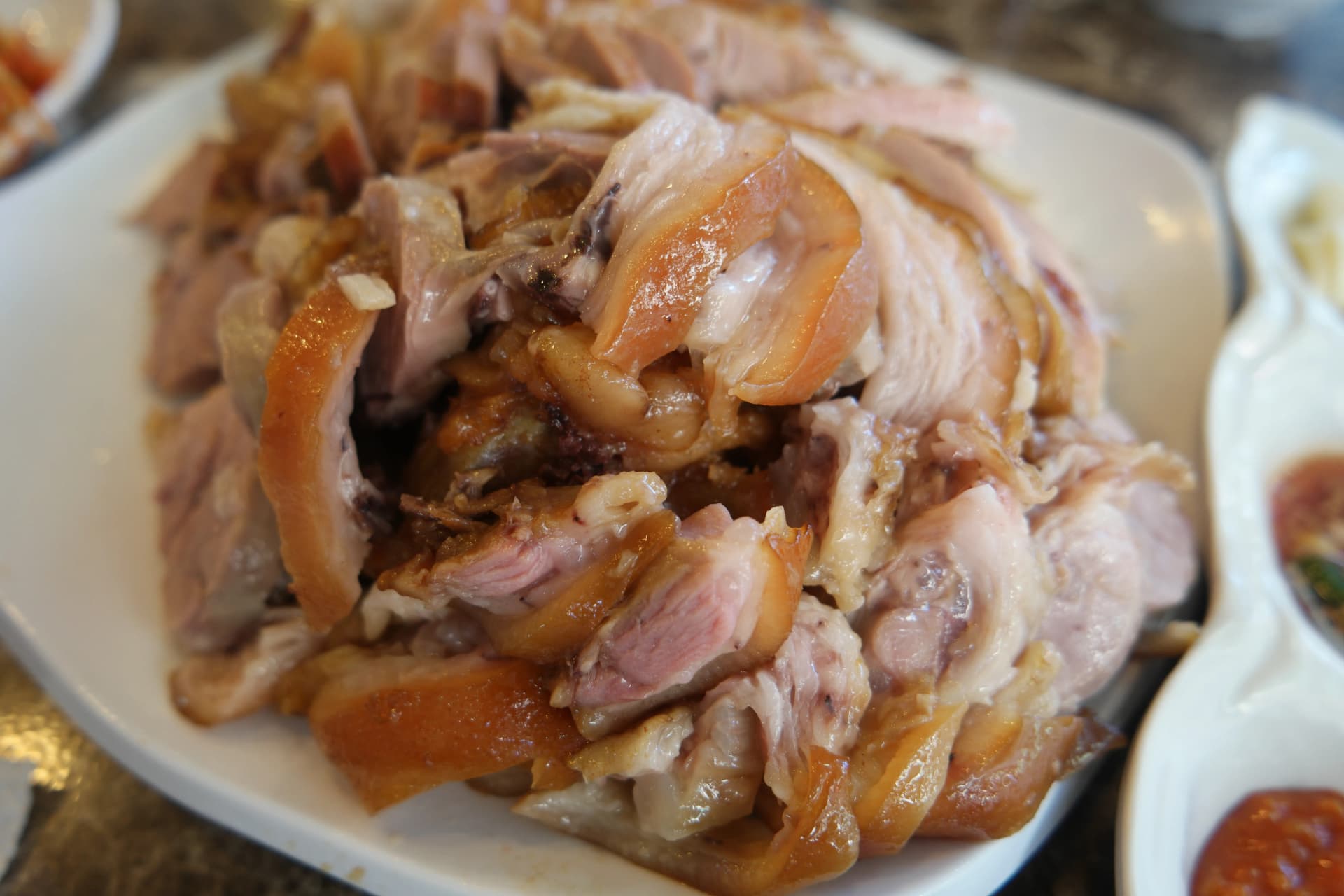
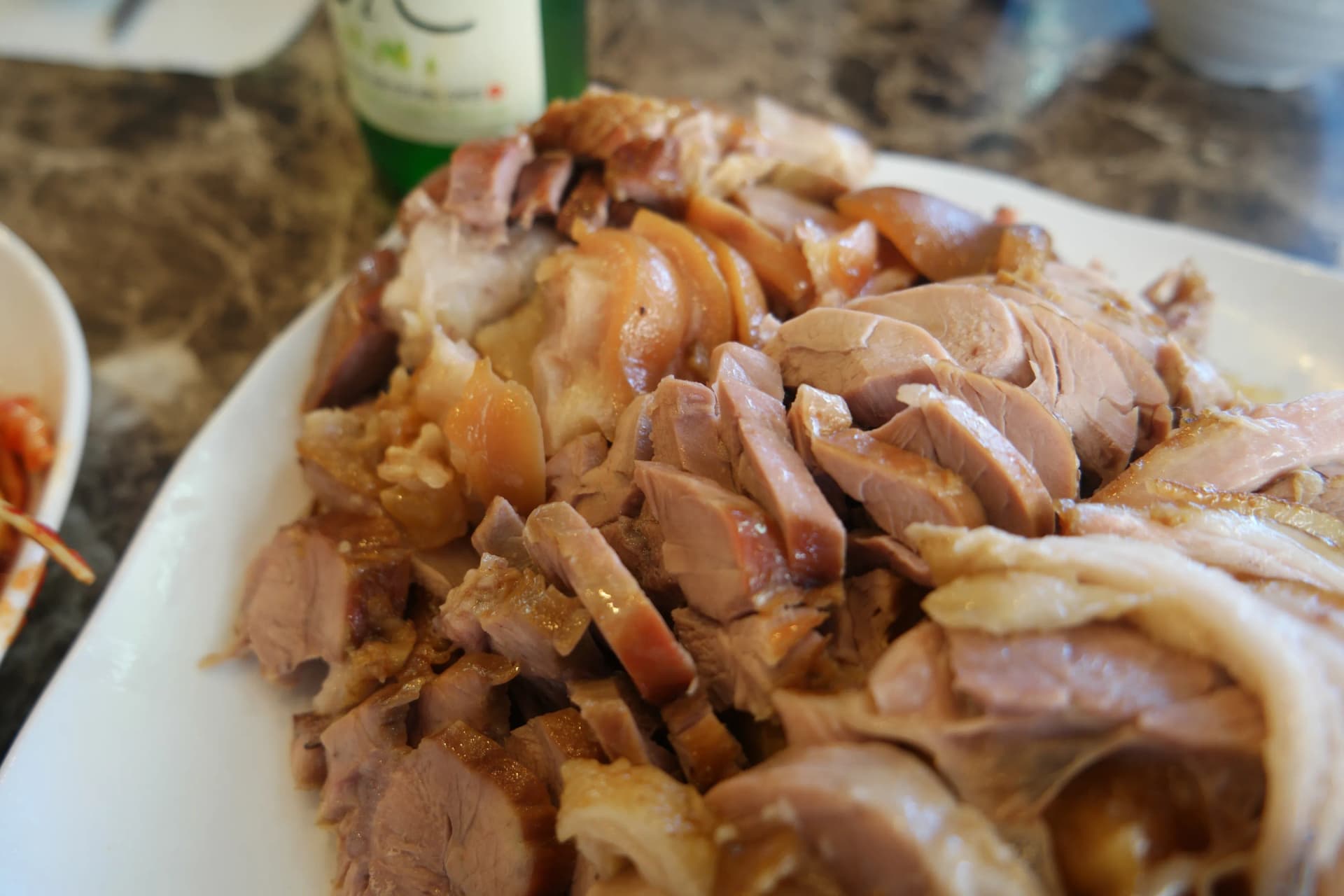
This is the same classic jokbal as above, but this time you can really see the meaty cross-section. These slices come from the meatier parts, showing more lean meat than skin — perfect for those who prefer tender, soft bites over chewy texture. The closely spaced knife cuts make it easy to pick up with chopsticks, and the seasoning has soaked deep into the meat so every single piece delivers a rich, intense flavor.
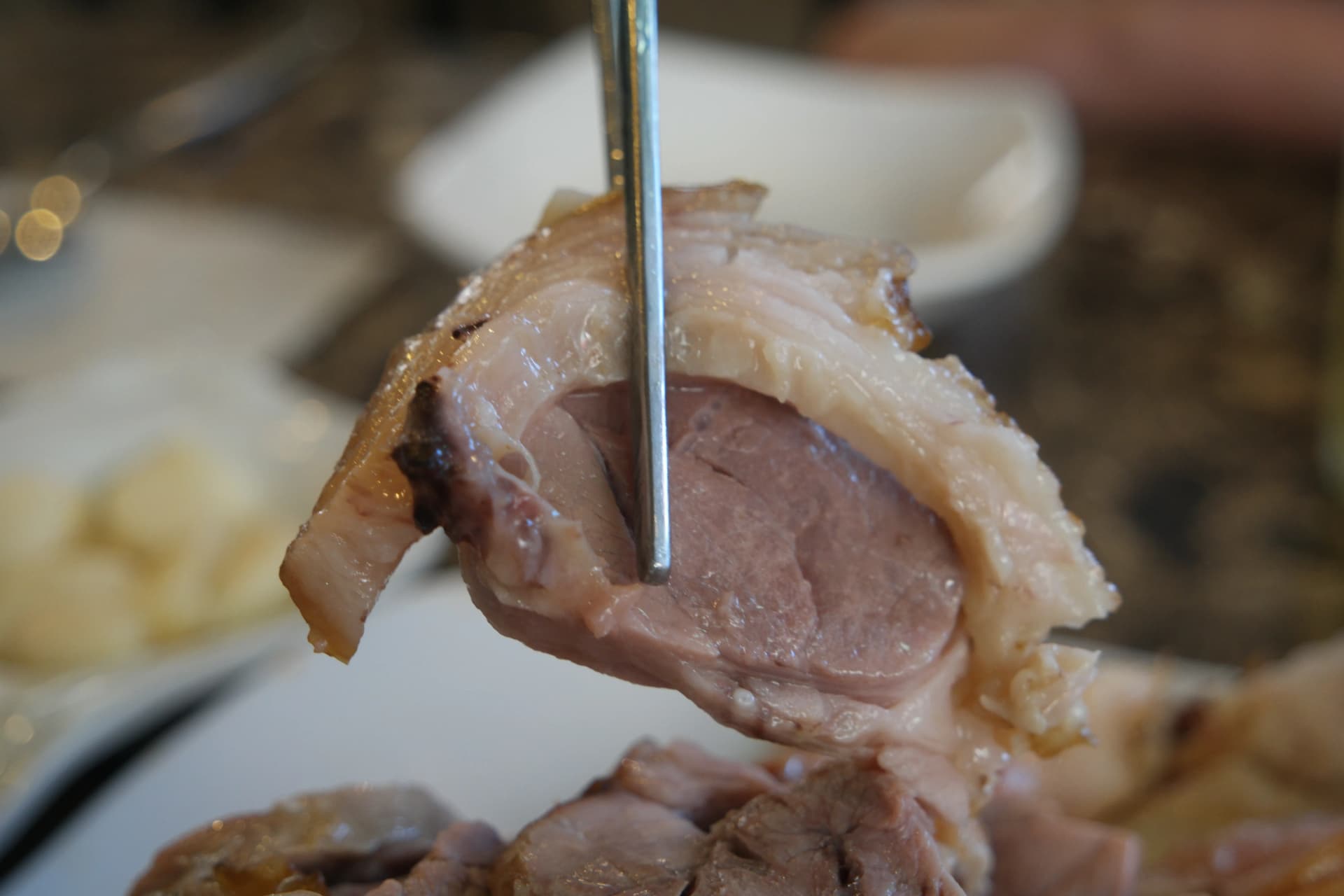
What a Single Piece of Jokbal Looks Like Up Close
Here's a piece of jokbal picked up with chopsticks. When you see it this close, you can clearly make out the cross-section structure — the chewy skin layer on the outside and the tender meat layer on the inside, stacked in multiple tiers. The fact that a single piece contains at least two completely different textures is what makes jokbal so uniquely addictive. Just looking at this cross-section, you can tell how moist and perfectly braised it is.
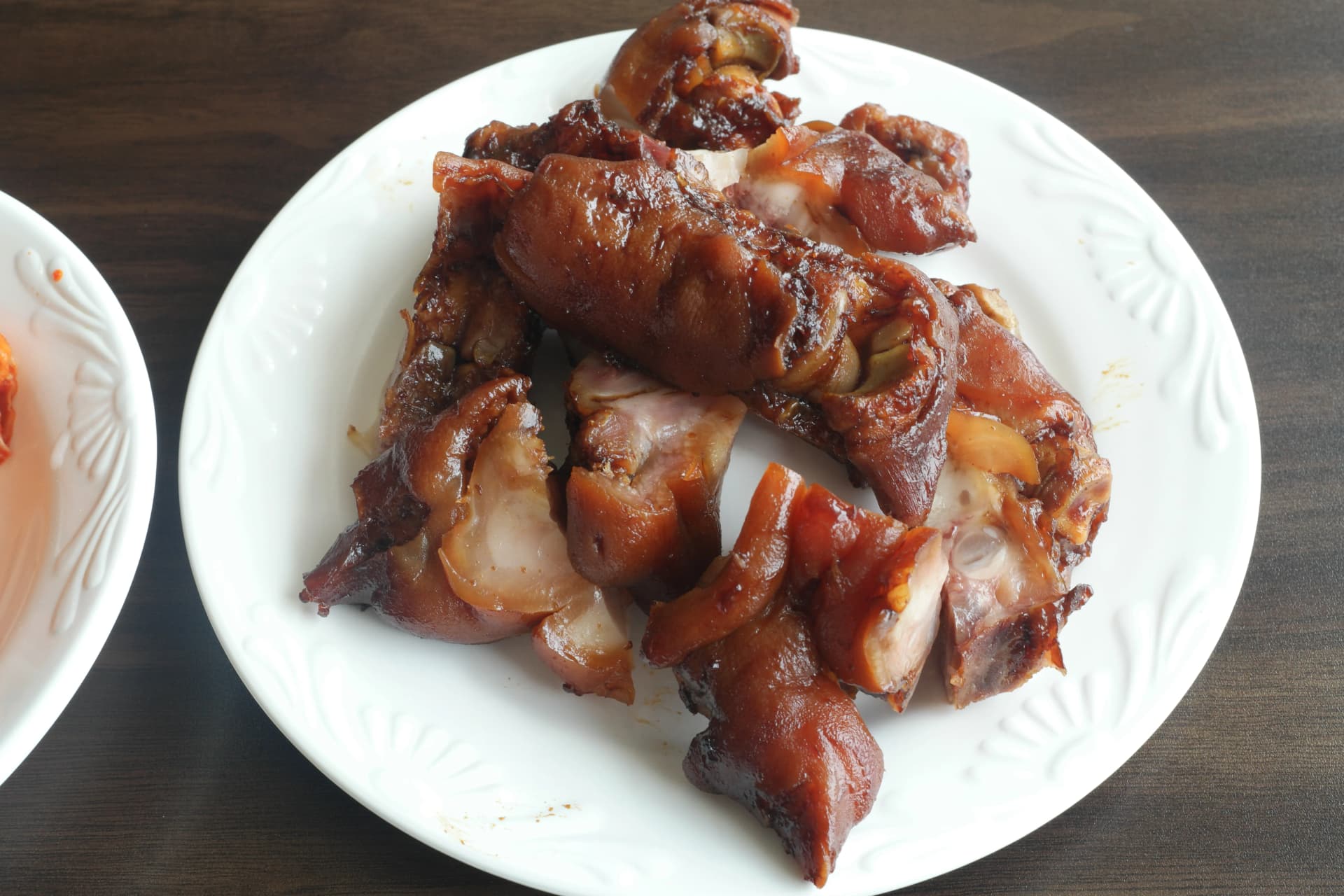
Mini Jokbal — The Primal Joy of Gnawing Meat Off the Bone
This is mini jokbal. Unlike classic jokbal, the bone isn't removed — it comes whole, bone and all, using the smaller front trotter. The surface is a deep reddish-brown with a gorgeous gloss, and the seasoning coats the outside much more thickly, making it look way more intense than the classic version. The eating method is totally different too — you tear the meat off the bone yourself, which makes it a more primal, hands-on dining experience. It's a great portion size for one or two people, so it's popular with solo diners and anyone who wants to enjoy jokbal without committing to a massive platter.
The best way to eat mini jokbal is exactly like this — pick it up with your hands and tear the meat right off the bone. Most restaurants provide plastic gloves, so just glove up and go to town on the meat around the bone. The glossy surface is packed with deeply absorbed seasoning, and honestly, the more you eat it with your hands, the tastier it gets.
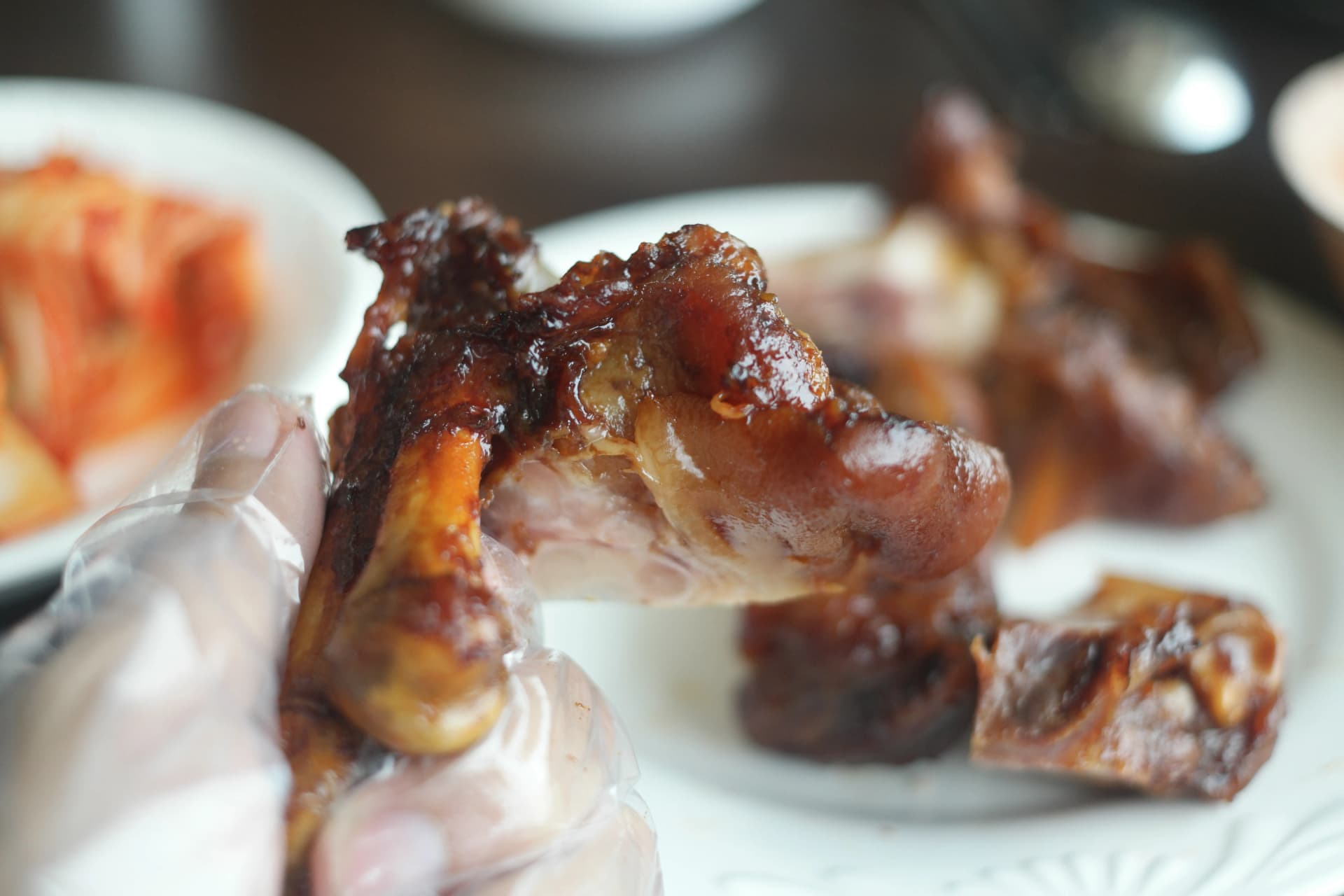
Spicy Jokbal (Bul-Jokbal) — For Those Who Love the Heat
This is spicy jokbal. Also called bul-jokbal (literally "fire jokbal"), it's the same braised pork trotters but slathered generously in a fiery gochujang (red pepper paste) based sauce. Topped with sliced scallions, sesame seeds, and crushed nuts, it looks absolutely intense from the get-go. The chewy, tender base of classic jokbal combined with that punchy, spicy kick makes this even more popular than the original among fans of Korean spicy food. The heat level varies from restaurant to restaurant, but it's generally pretty strong — so if you're not used to spicy food, proceed with caution. 🌶️
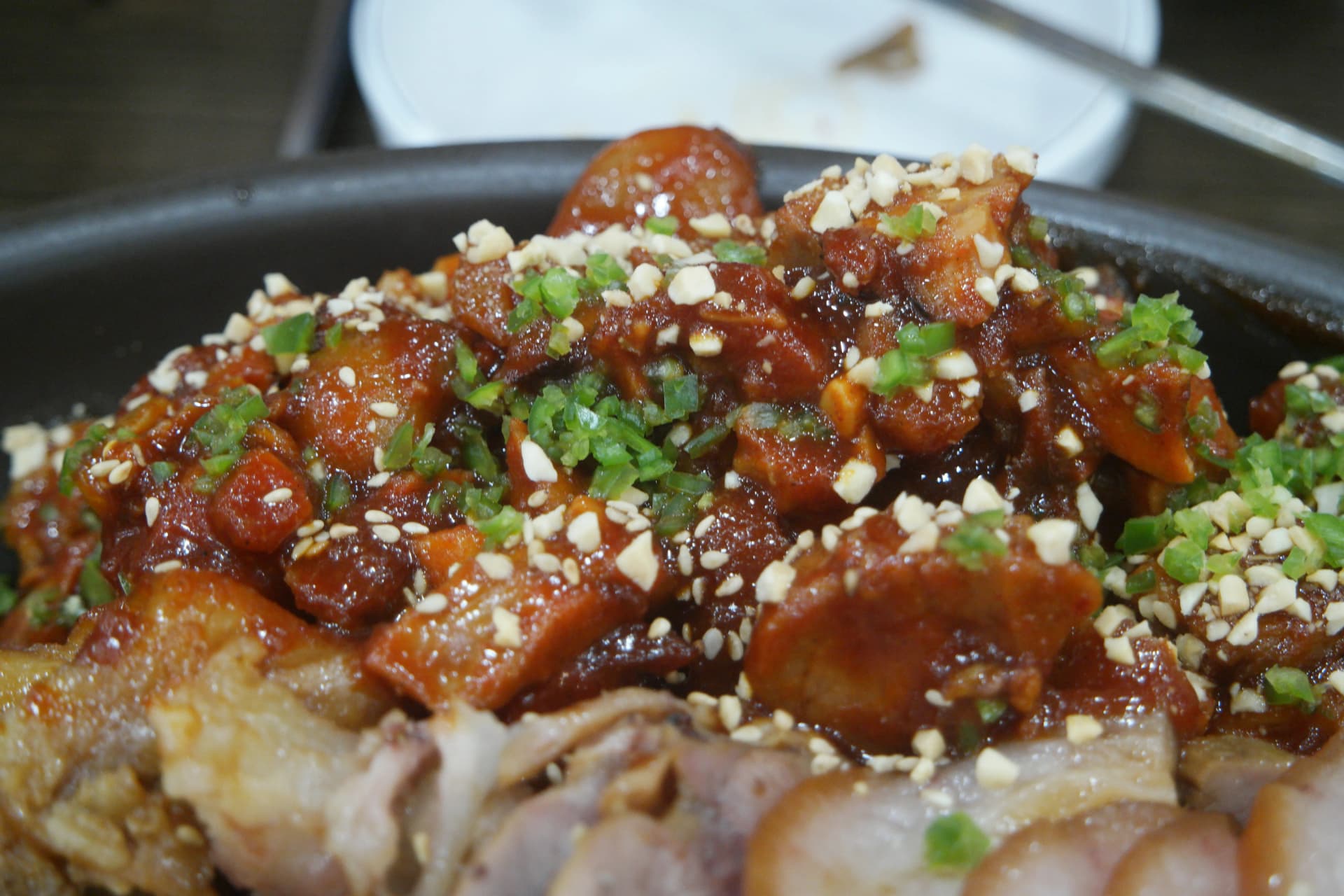
Spicy Jokbal Close-Up: The Magic of the Skin
Here's a closer look at the spicy jokbal. You can see the fiery red spicy portion on top and the classic braised portion on the bottom captured in the same frame — which shows you that you can enjoy two different flavors from a single plate. The classic jokbal's signature translucent, chewy skin layer is beautifully visible in this close-up, and that skin is exactly what jokbal superfans love the most. It's loaded with collagen — great for your skin, they say — and the deeper you chew, the more flavor unfolds from it.
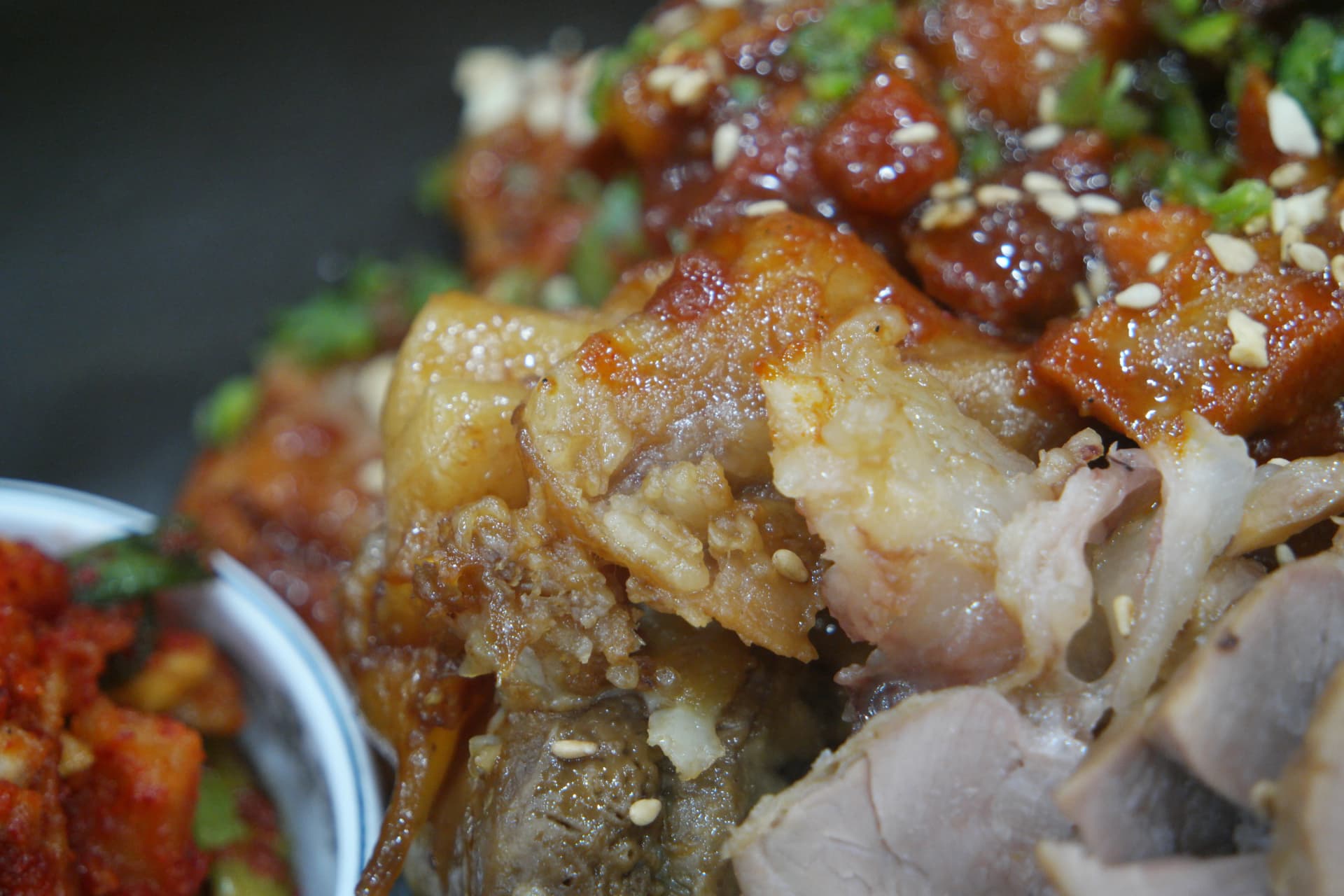
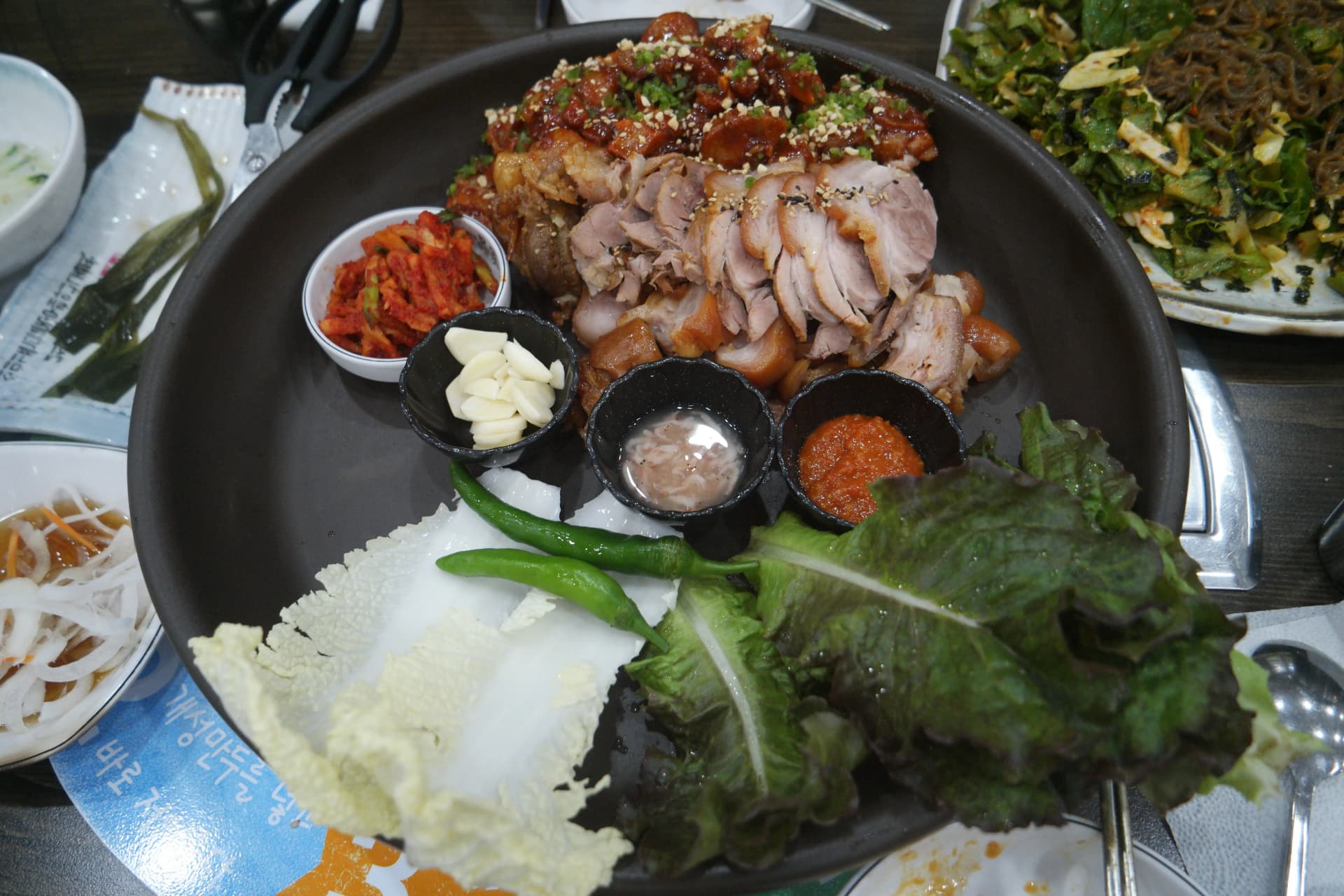
Half-and-Half Jokbal — The Best Combo for First-Timers
Menu options vary from restaurant to restaurant, but some places offer a half-and-half plate like this — classic jokbal and spicy jokbal served together on one platter. You get to experience both flavors at once, which makes this especially great if it's your first time trying jokbal. It comes with saeujeot (salted fermented shrimp), ssamjang (thick dipping paste), raw garlic, cheongyang chili peppers, lettuce, and perilla leaves on the side — and when you put all of these together, that's when you experience the real, full flavor of Korean braised pork trotters.
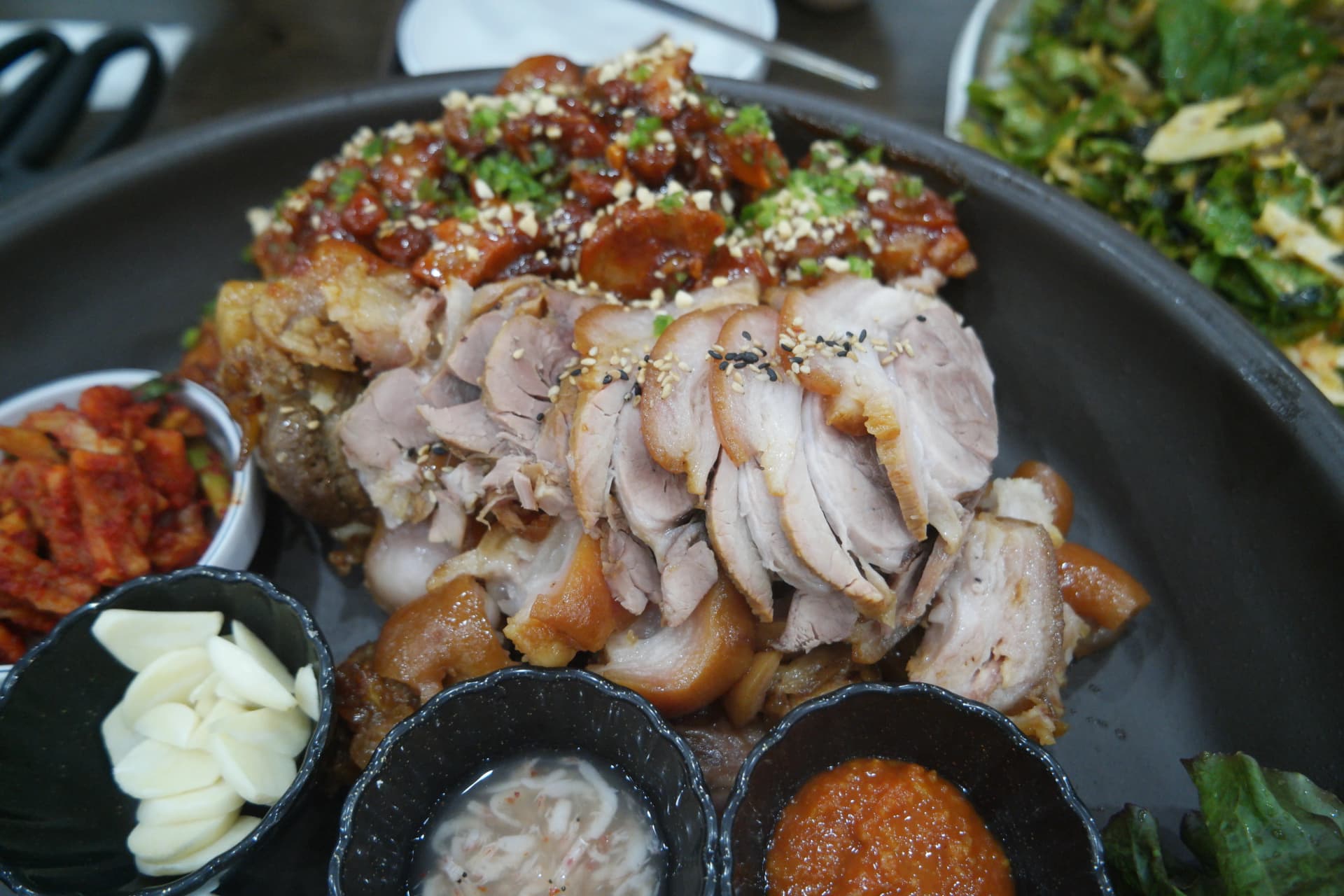
Garlic Jokbal — If You Spot It, Order It Immediately
This is garlic jokbal. It's made by piling a generous heap of minced garlic on top of the braised pork trotters, and it's not something you'll see on every menu. Most jokbal restaurants don't carry it — it's a specialty item you can only find at select places. The sharp, nutty aroma of garlic blends with the deep, savory jokbal flavor to create something truly unique, and for garlic lovers, it's an unforgettable taste. Since it's so hard to come by, if you ever spot a place that serves it, absolutely give it a shot.
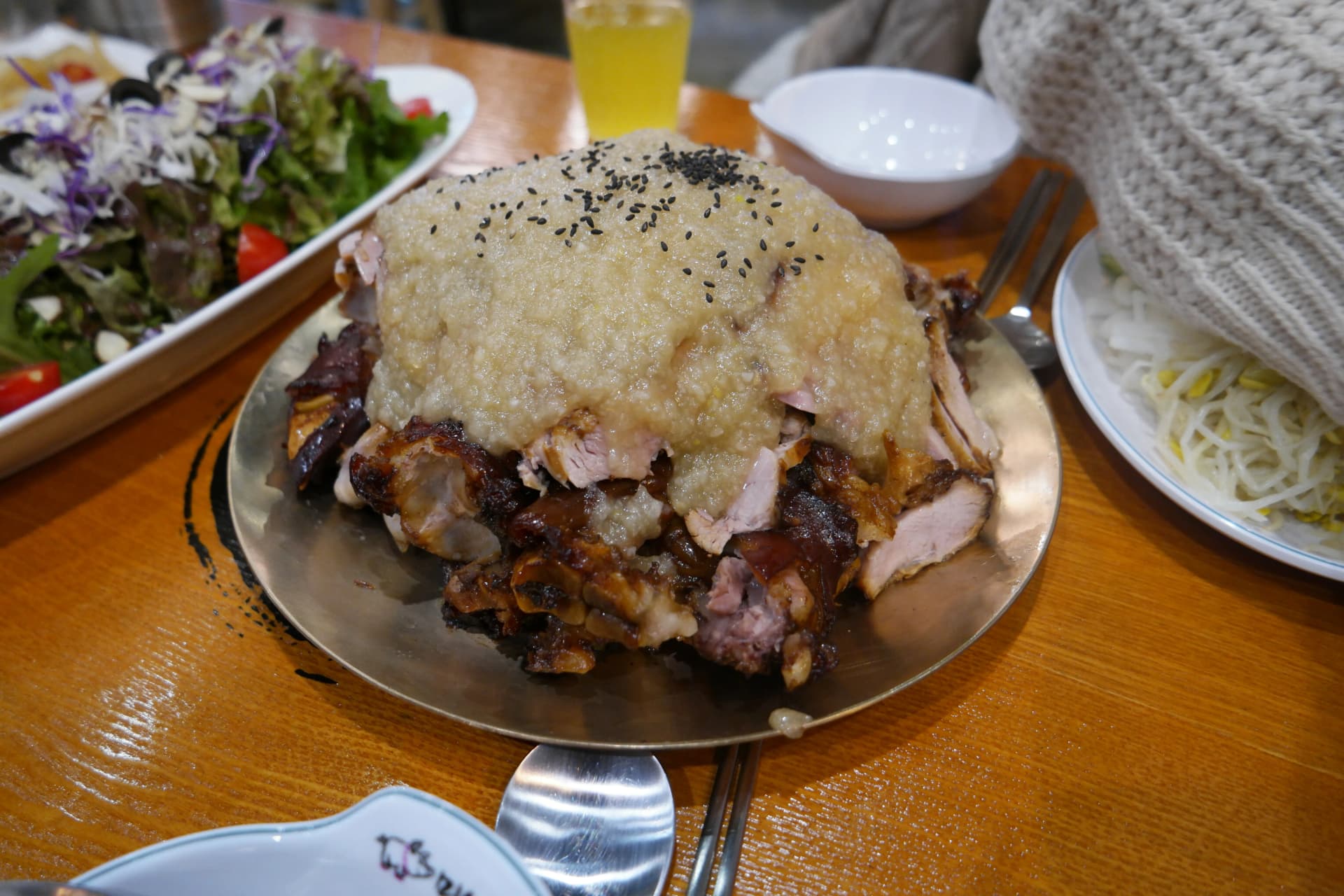
Here's what it looks like once you've started digging in. A thick blanket of minced garlic covers the entire jokbal, with the rich brown meat and skin peeking through the gaps. The garlic and pork juices have mixed together and pooled all over the plate — just looking at it, you can feel how incredibly moist and juicy it is. 🧄
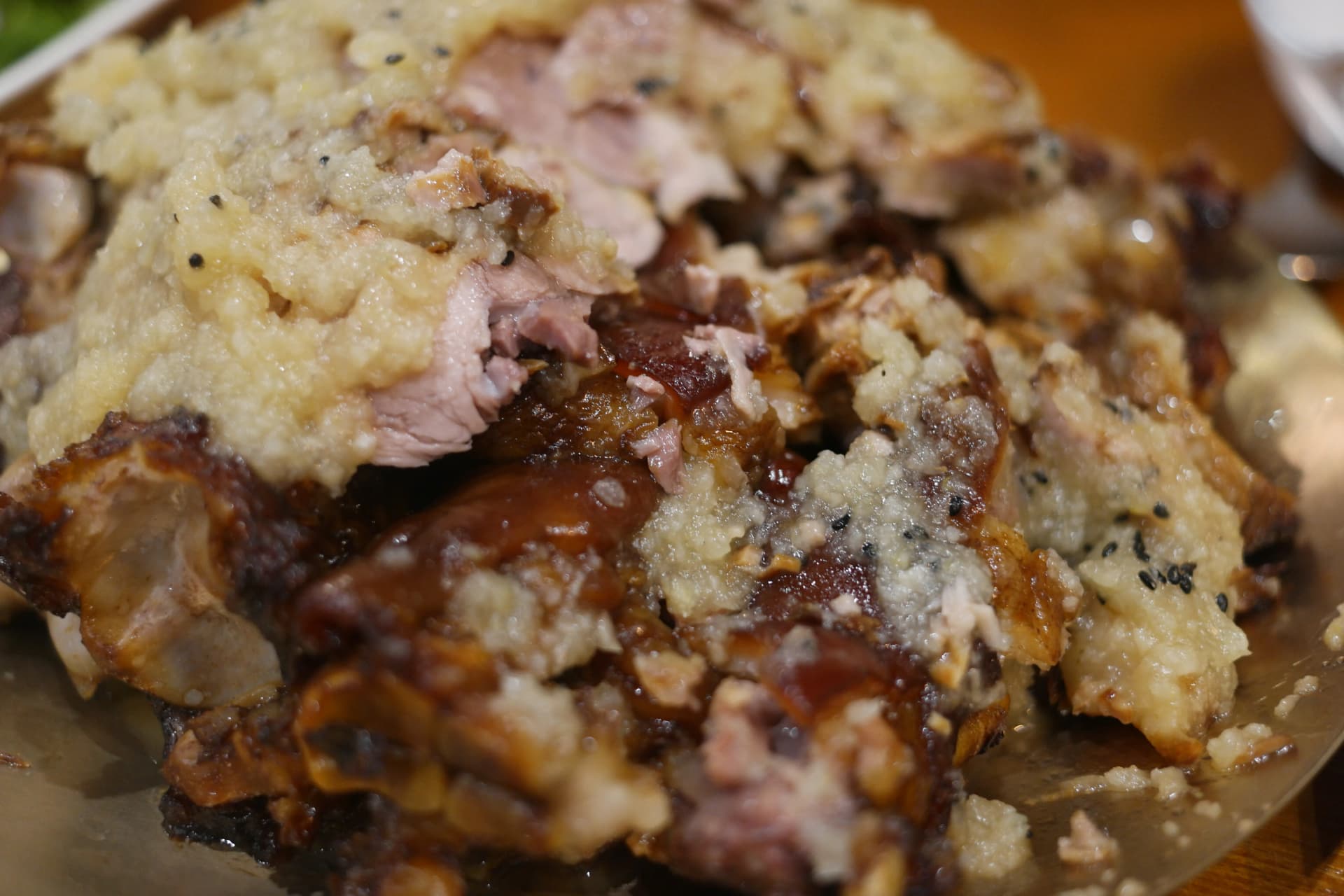
Every Last Bite, Smothered in Garlic and Sauce
This is what it looks like as you keep eating. The garlic completely melds with the jokbal seasoning until it looks nothing like it did at the start — but this is actually the moment when the garlic aroma hits its absolute peak. There's a real satisfaction in picking the meat off each bone one by one, and honestly, each garlic-smothered piece is way more savory and deeply flavored than you'd expect.
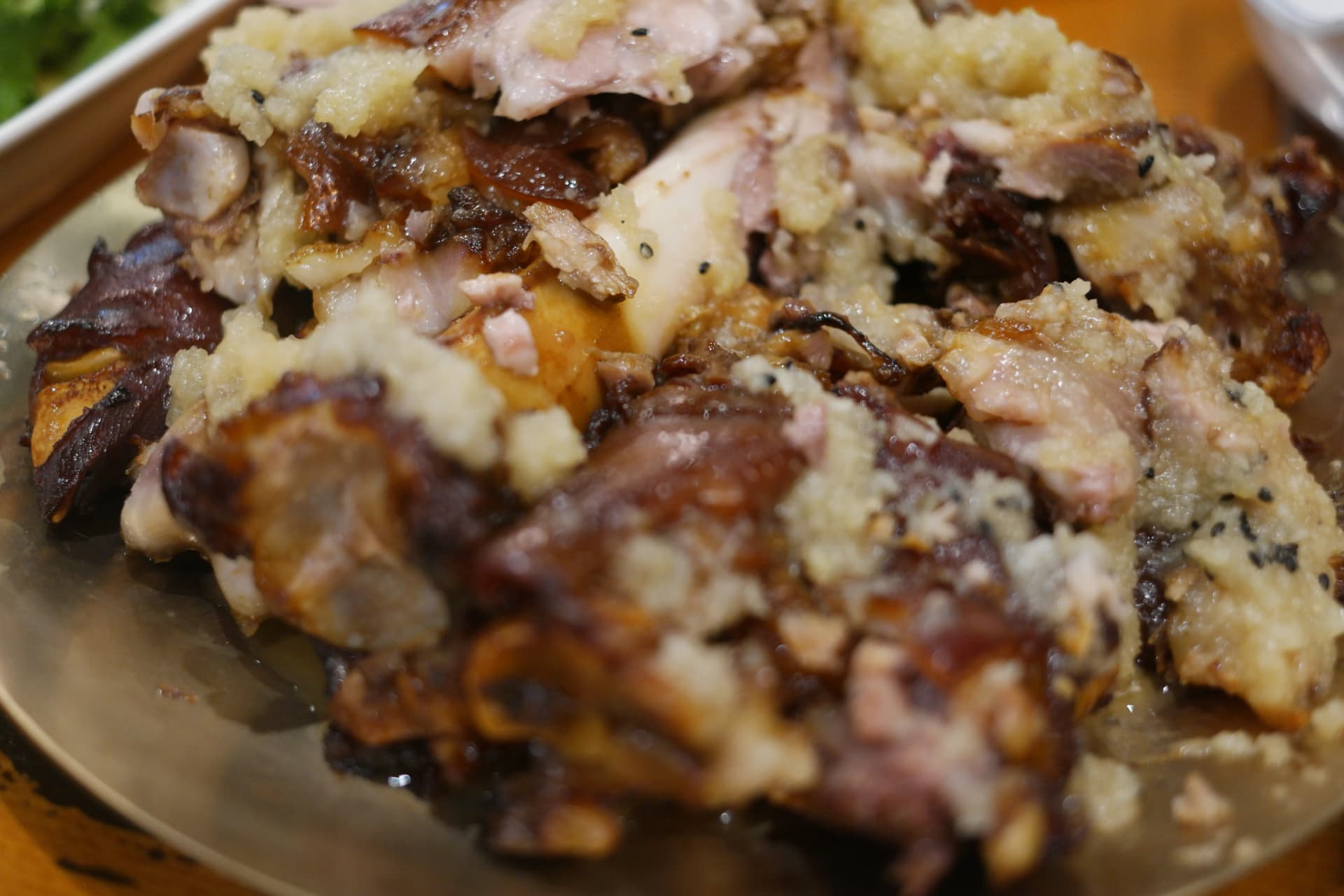
How to Eat Jokbal Like a Pro — It's All About the Wrap
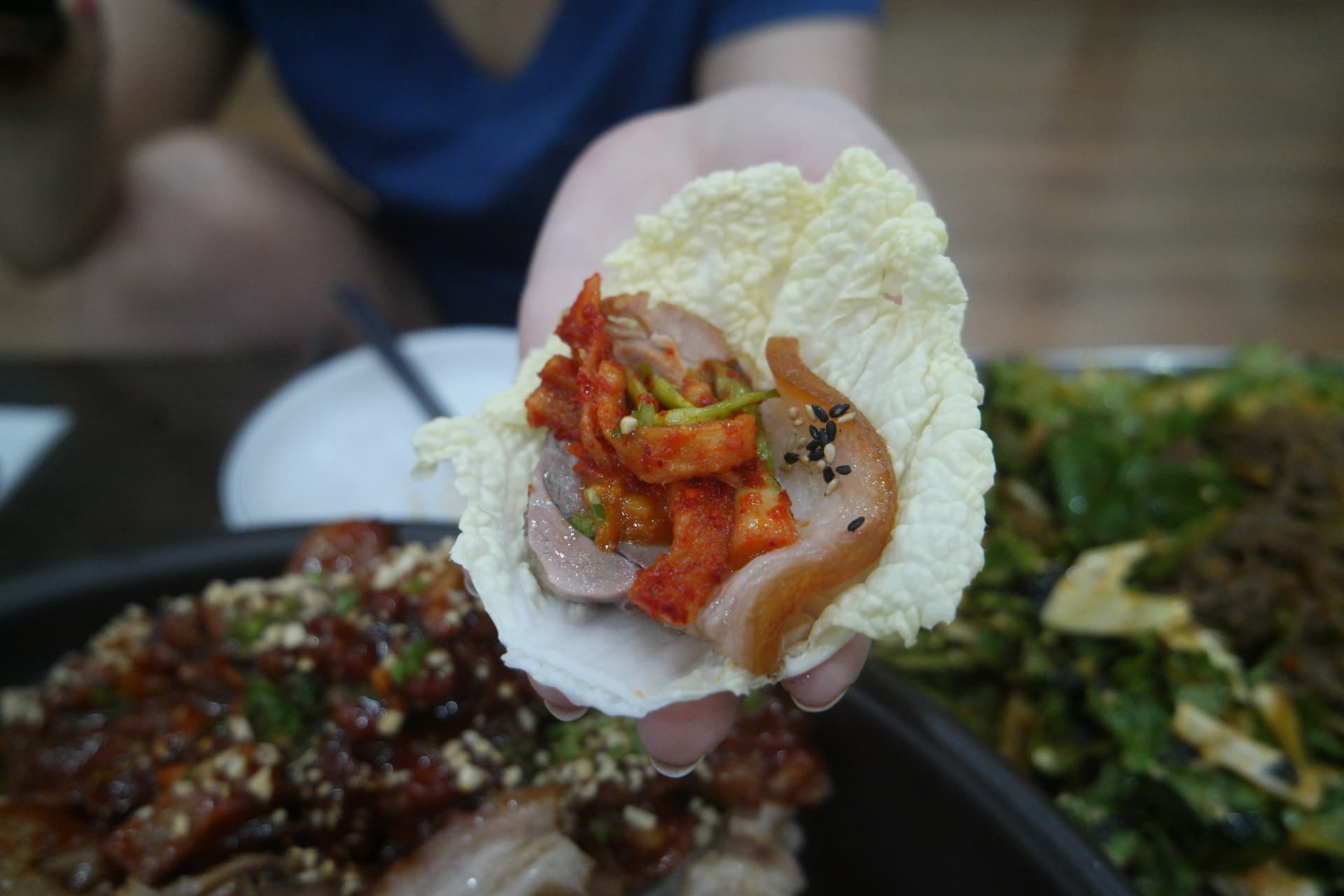
This is the proper way to enjoy jokbal. Place a piece of jokbal on a cabbage leaf, add some kimchi, dip it lightly in saeujeot (salted fermented shrimp), and stuff the whole thing in your mouth in one bite — that's the ultimate jokbal experience right there. The chewy texture of the jokbal, the crunch of fresh cabbage, the tangy kick of kimchi, and the salty umami punch of saeujeot all explode at once, and the combination is absolutely unreal. It's delicious enough on its own, but the moment you eat it wrapped up like this, you'll instantly understand why Koreans love jokbal so much.
Jokbal Menu Types at a Glance
When you walk into a Korean jokbal restaurant, the menu is more varied than you might expect, which can be overwhelming if it's your first time. Here's a breakdown of the main options to help you decide.
Jokbal Menu Guide
Types you'll find at Korean jokbal restaurants
The most basic style, slow-braised in soy sauce seasoning. Features chewy skin and tender lean meat — the quintessential jokbal experience.
Coated in a gochujang-based spicy sauce. Fiery, punchy, and intensely flavorful — a favorite among spicy food lovers.
Whole front trotter served bone-in. Fun to tear apart with your hands, and perfectly sized for one or two people to enjoy casually.
Classic and spicy jokbal served half-and-half on one plate. Perfect for first-timers who want to try both flavors at once.
Topped with heaps of minced garlic — a unique specialty only available at select restaurants. A must-try for garlic enthusiasts.
Braised without heavy seasoning for a clean, mild taste. Best enjoyed dipped in saeujeot (fermented shrimp paste) — no greasiness, just pure flavor.
Jokbal's Best Friend: Makguksu — Always Order This Too
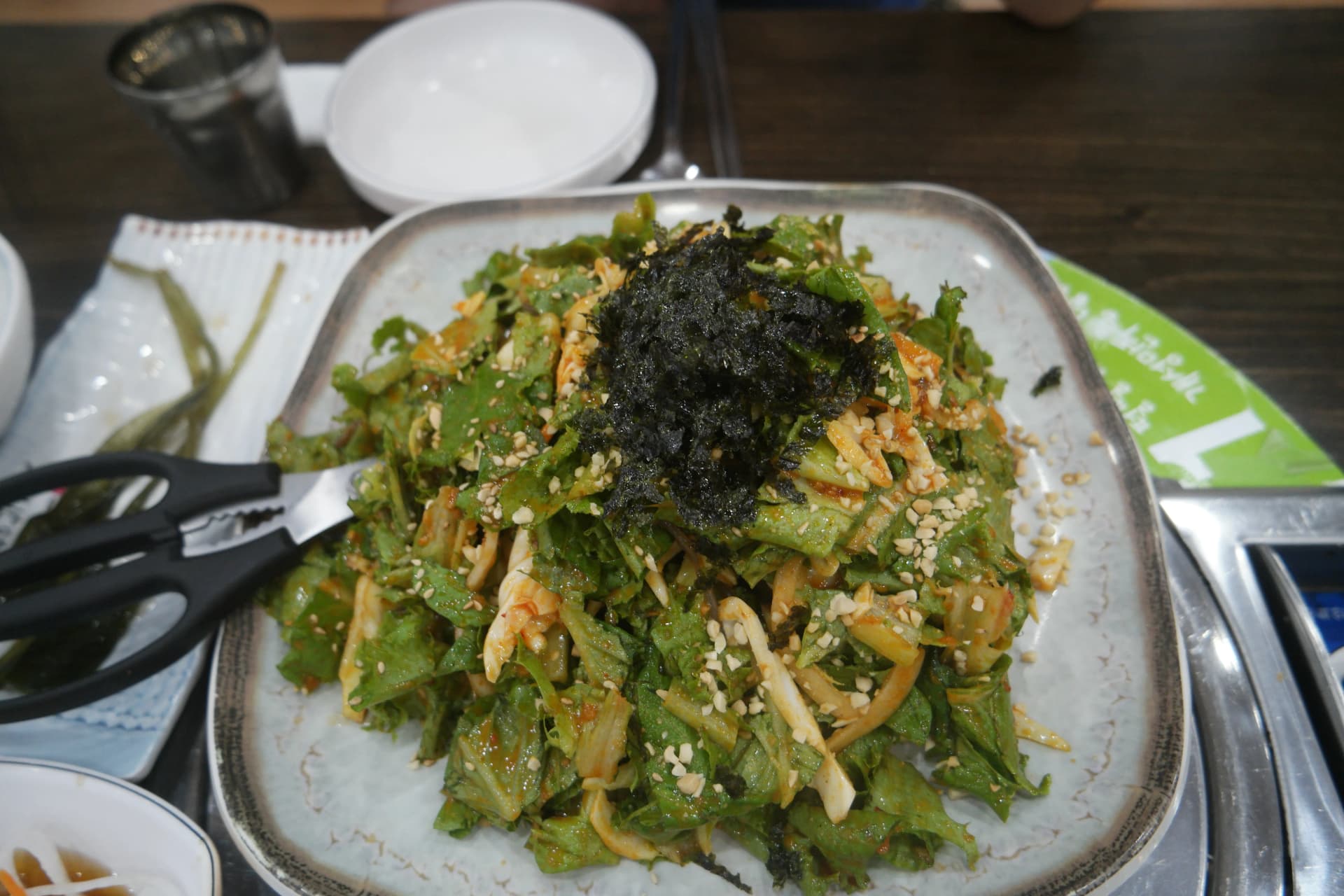
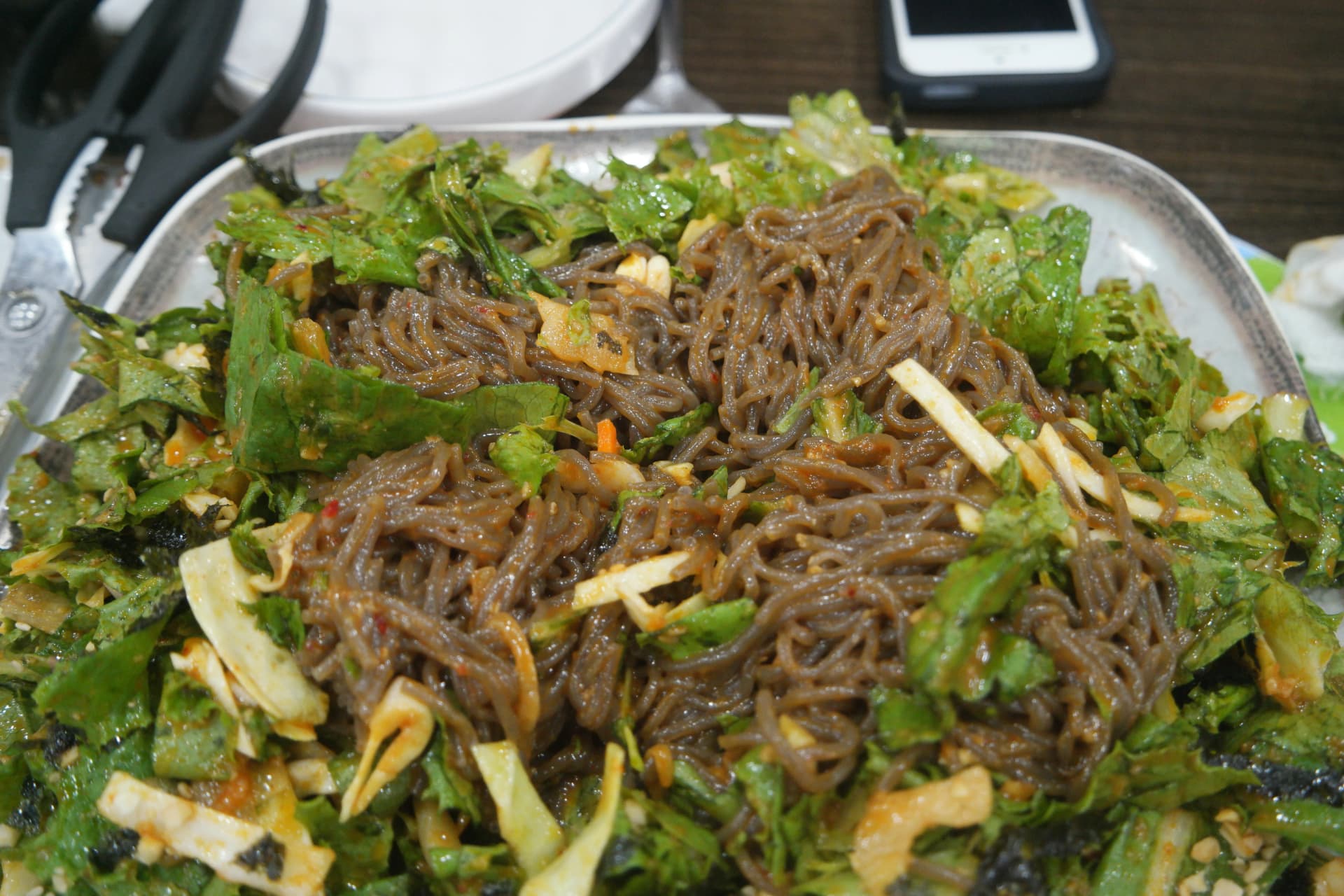
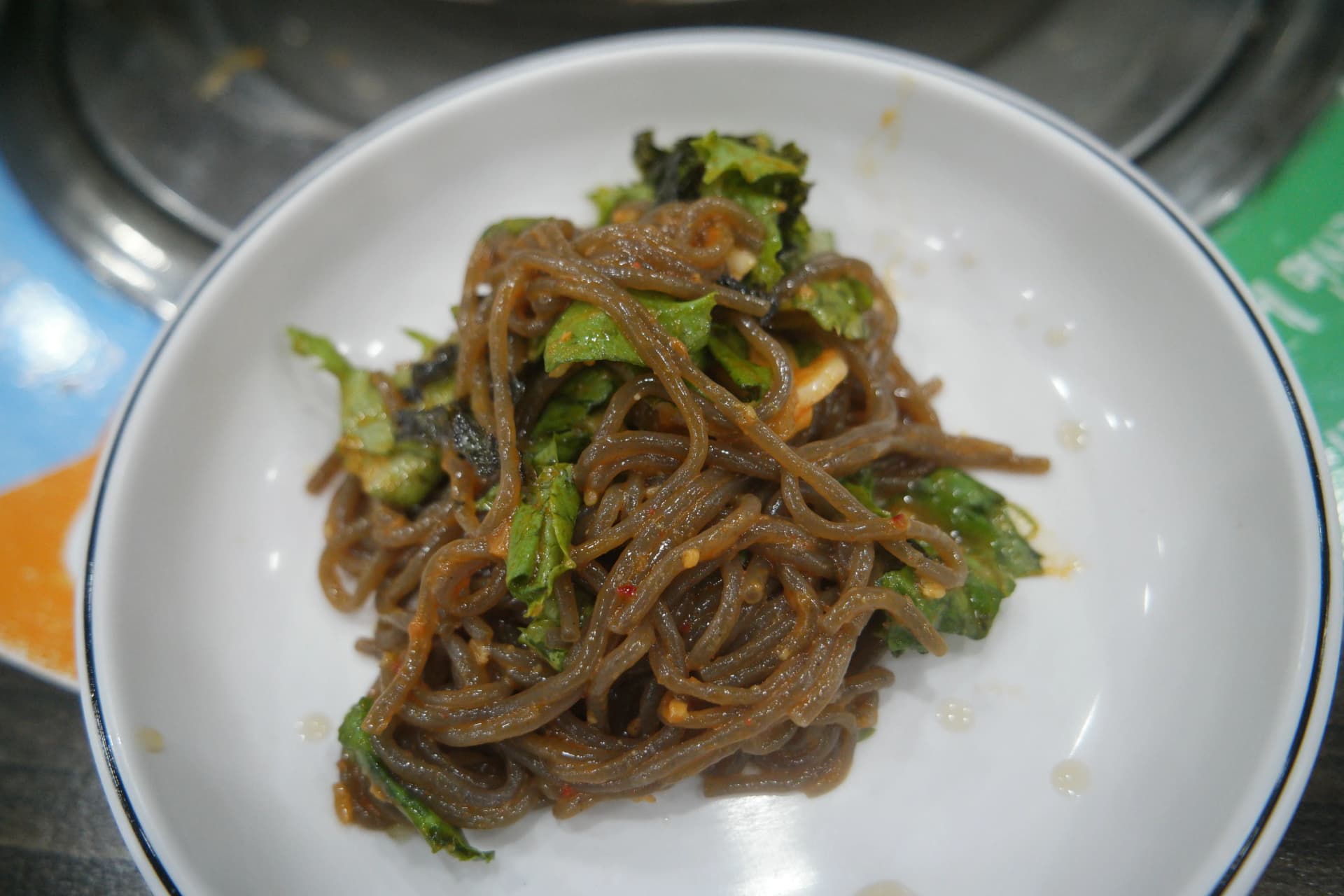
The most iconic side dish you can order at a jokbal restaurant is makguksu — buckwheat noodles. Jokbal and makguksu are such a legendary pairing in Korea that some places sell them as a set menu, while others let you order them separately. Makguksu is made with thin buckwheat noodles tossed with shredded vegetables and a tangy dressing. The refreshing, slightly sour zing of the noodles perfectly cuts through the rich, oily richness of the jokbal, making the whole meal feel much lighter and more balanced. At first glance it looks like mostly vegetables, but once you mix it up, a generous heap of buckwheat noodles appears underneath. Whenever you hit up a jokbal spot, I seriously recommend ordering this on the side — it's the perfect combo.
Jokbal FAQ — Frequently Asked Questions
If you're new to jokbal, you probably have a lot of questions. Here are the most common ones I get asked all the time.
Jokbal FAQ
Your most common questions, answered
Q1. What exactly is jokbal?
Jokbal is a traditional Korean dish made by slow-braising pig's front or hind trotters in soy sauce, garlic, ginger, and other seasonings. It's known for its chewy skin and tender meat, and has been one of Korea's most beloved comfort foods for generations.
Q2. Is there a difference between front and hind trotters?
Yes, there is! Front trotters are smaller with less meat but more chewy skin and collagen. Hind trotters are larger and meatier, giving you a more generous serving. Most restaurants use the hind trotters for regular jokbal, while the front trotters usually come as mini jokbal.
Q3. Is jokbal high in calories?
About 200–250 kcal per 100g. That's actually lower than samgyeopsal (pork belly), but the skin does contain fat, so eating a lot will add up. On the plus side, it's packed with collagen which is said to be great for your skin. Moderation is key! 😊
Q4. What should I order for my first time?
If it's your first time, I'd recommend the half-and-half jokbal — half classic, half spicy on one plate. That way you get to try both flavors at once. Pair it with makguksu (buckwheat noodles) to balance out the richness. Start with a medium size for two people!
Q5. What's the best way to eat it?
Place a piece of jokbal on a cabbage or lettuce leaf, dip it lightly in saeujeot (salted fermented shrimp), add some kimchi and garlic, and wrap it all up in one bite. The salty umami of saeujeot paired with jokbal is an absolutely killer combo. Try it plain first, then definitely try the wrap method! 🥬
Q6. How spicy is the spicy jokbal?
It varies by restaurant, but it's generally quite hot. If you're not used to Korean spicy food, it can be a real challenge the first time. If you love spicy food, you'll find the flavor fiery and addictive — but if you're not sure, start with the classic version first. 🌶️
Q7. Can I get it for takeout or delivery?
Yes, absolutely! Most jokbal restaurants offer both takeout and delivery. You can search "jokbal" on delivery apps like Baedal Minjok or Coupang Eats to find nearby spots instantly. Just a heads up — when ordering takeout, some side dishes like saeujeot and wrap vegetables might not be included, so double-check before you order. 🛵
Q8. Why is jokbal so expensive?
Jokbal takes a seriously long time to prepare. Between removing bones and impurities, braising for hours, and letting the seasoning mature, there's a ton of effort involved. It is pricier compared to the average Korean meal, but considering the taste and the amount of care that goes into it, it's absolutely worth the price. 💰
Don't Miss Jokbal on Your Korea Trip — Try It at Least Once
Jokbal is so much more than just boiled pig's feet. From classic jokbal to spicy bul-jokbal, mini jokbal, and garlic jokbal, there's a whole world of styles to explore. Add in the way you eat it — dipped in saeujeot, wrapped in cabbage with kimchi — and every bite becomes a brand new flavor experience. It might seem unfamiliar at first, but once you try Korean braised pork trotters, I guarantee you'll be coming back for more. During your Korea trip, make sure you stop by a jokbal restaurant at least once, order some makguksu on the side, and treat yourself to a proper Korean meal. You absolutely won't regret it.
Jokbal Photo Gallery
🧄 Garlic Jokbal Gallery
GARLIC JOKBAL GALLERY
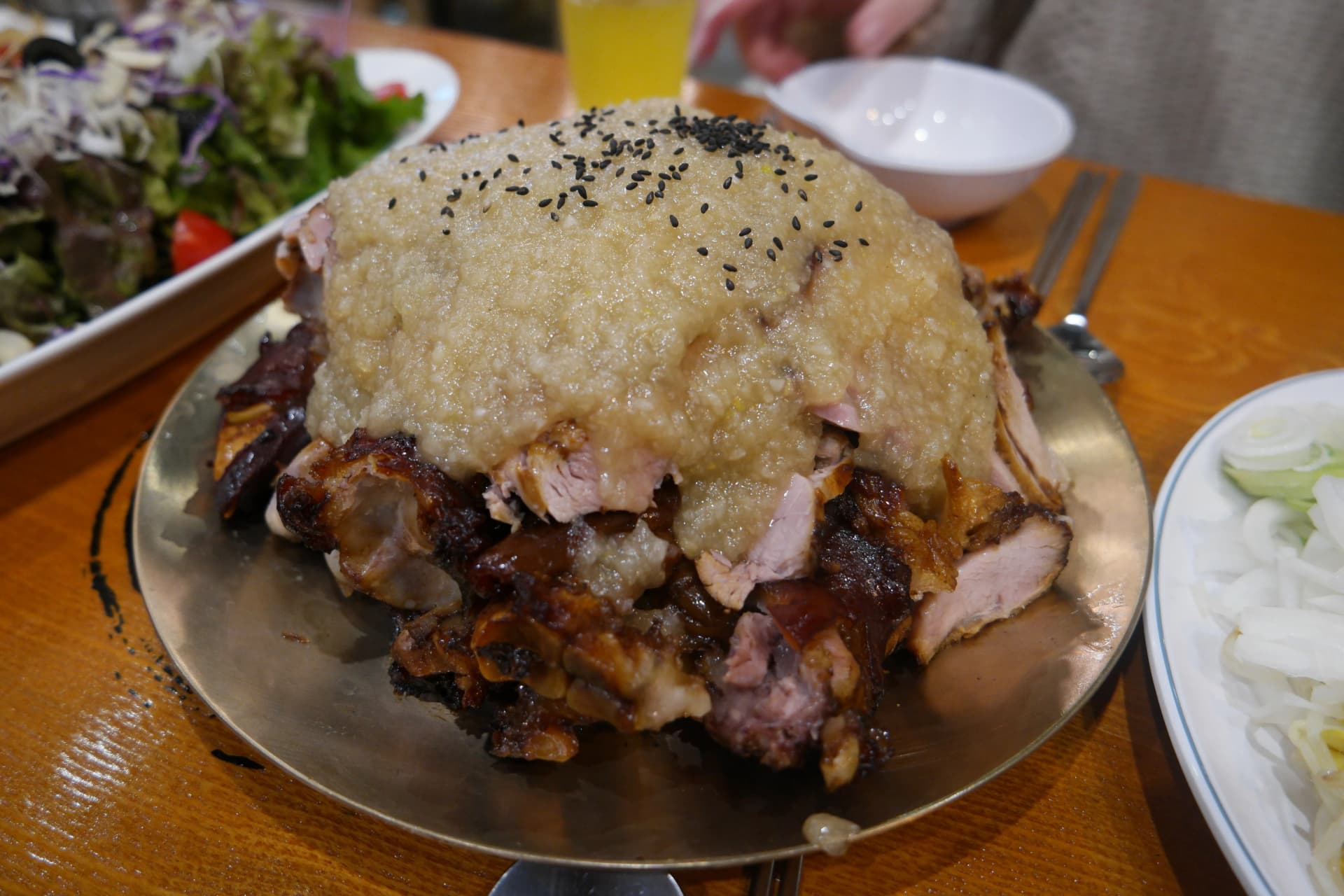
🧄 Garlic Jokbal
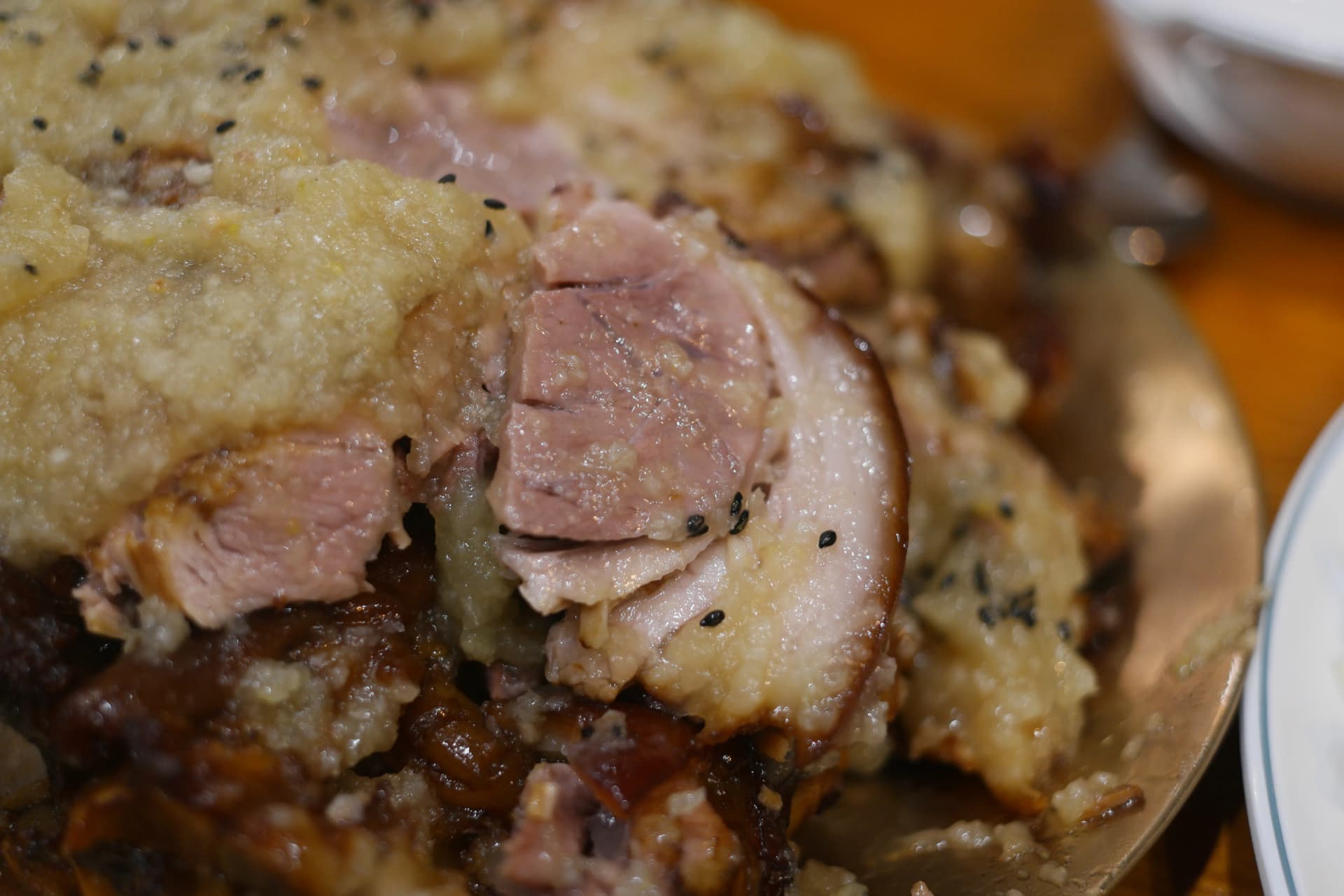
Cross-Section Close-Up
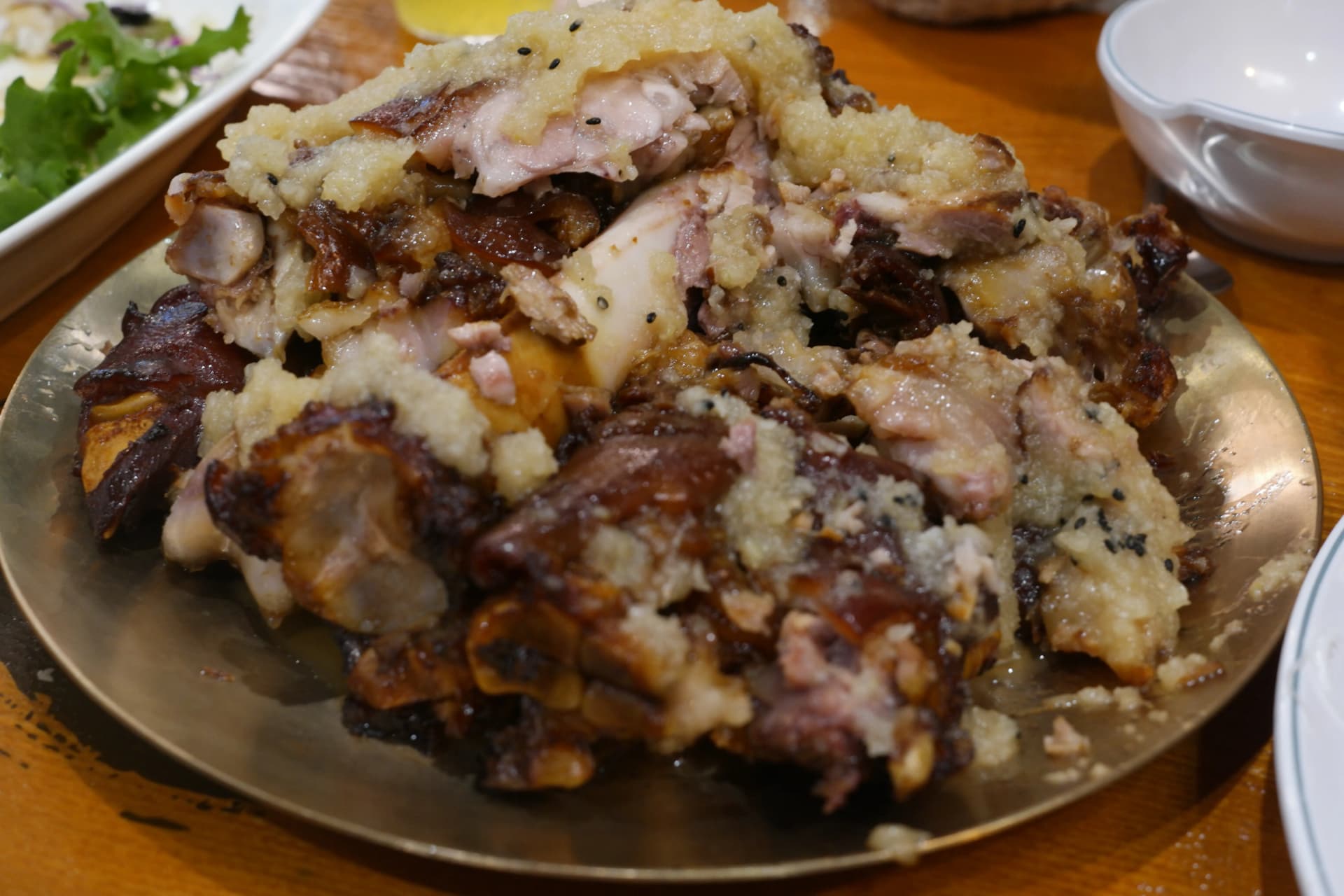
Mid-Meal
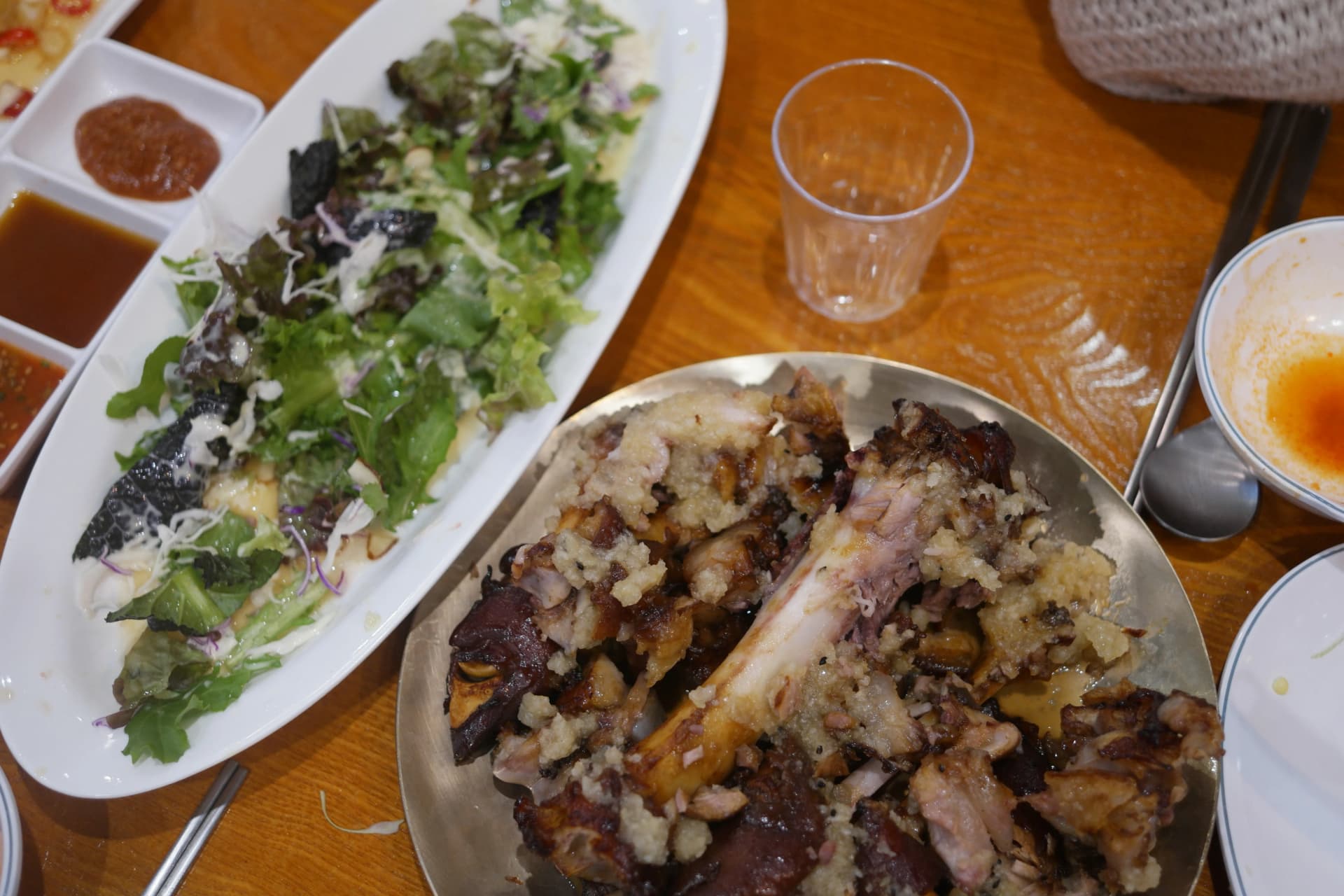
Full Set
🐷 Classic Jokbal Gallery
BASIC JOKBAL GALLERY
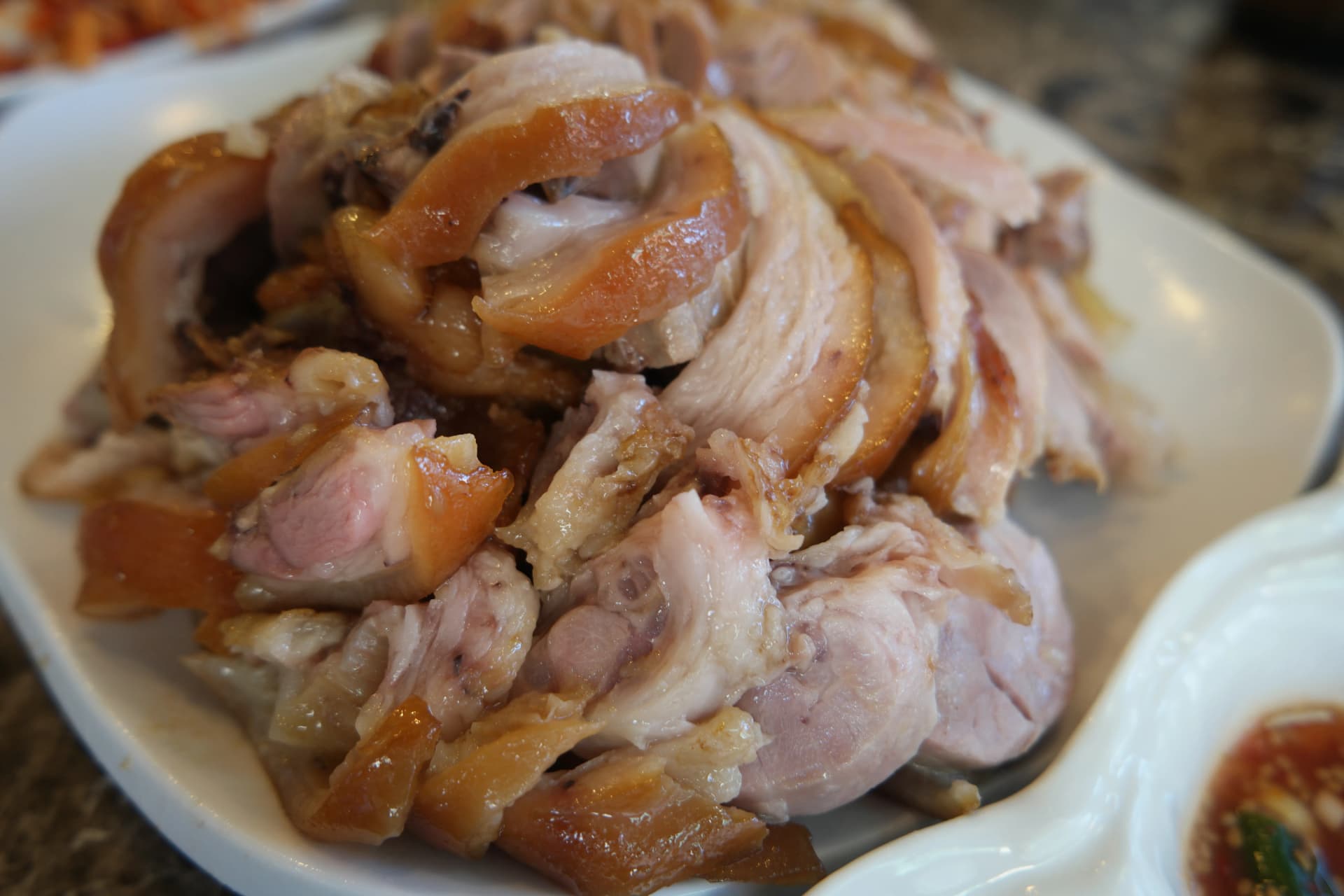
🐷 Classic Jokbal
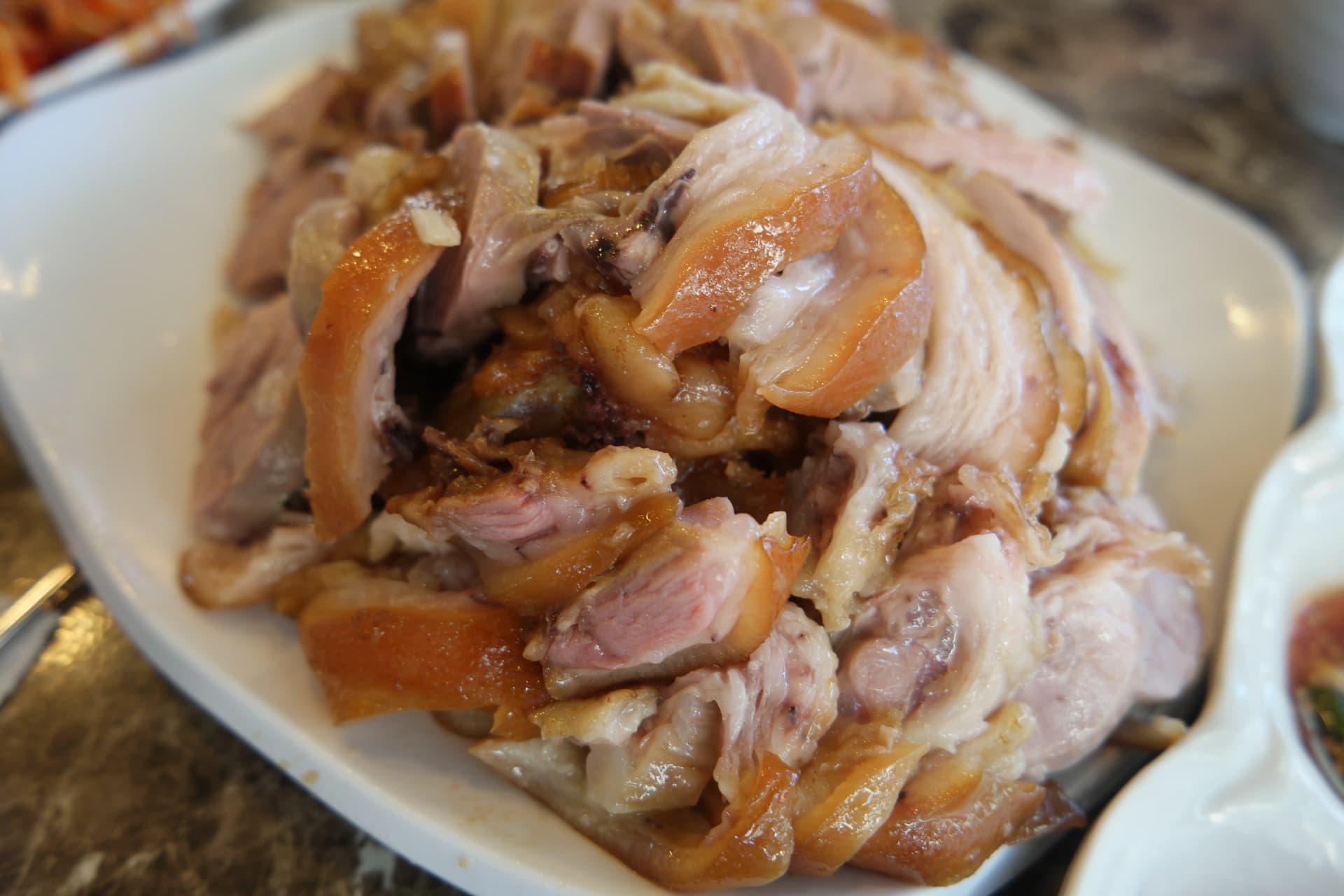
Skin & Meat
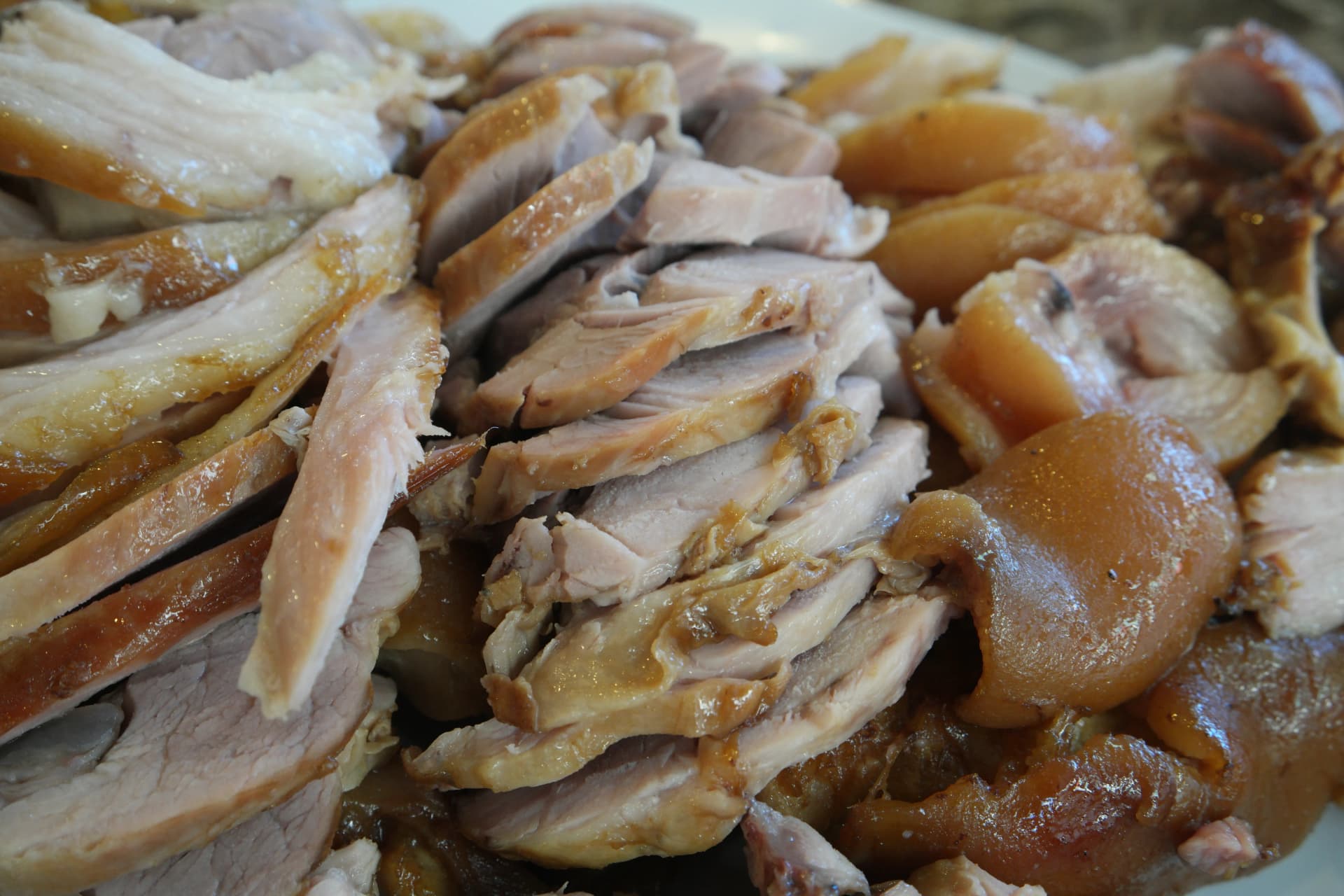
Lean Meat Section
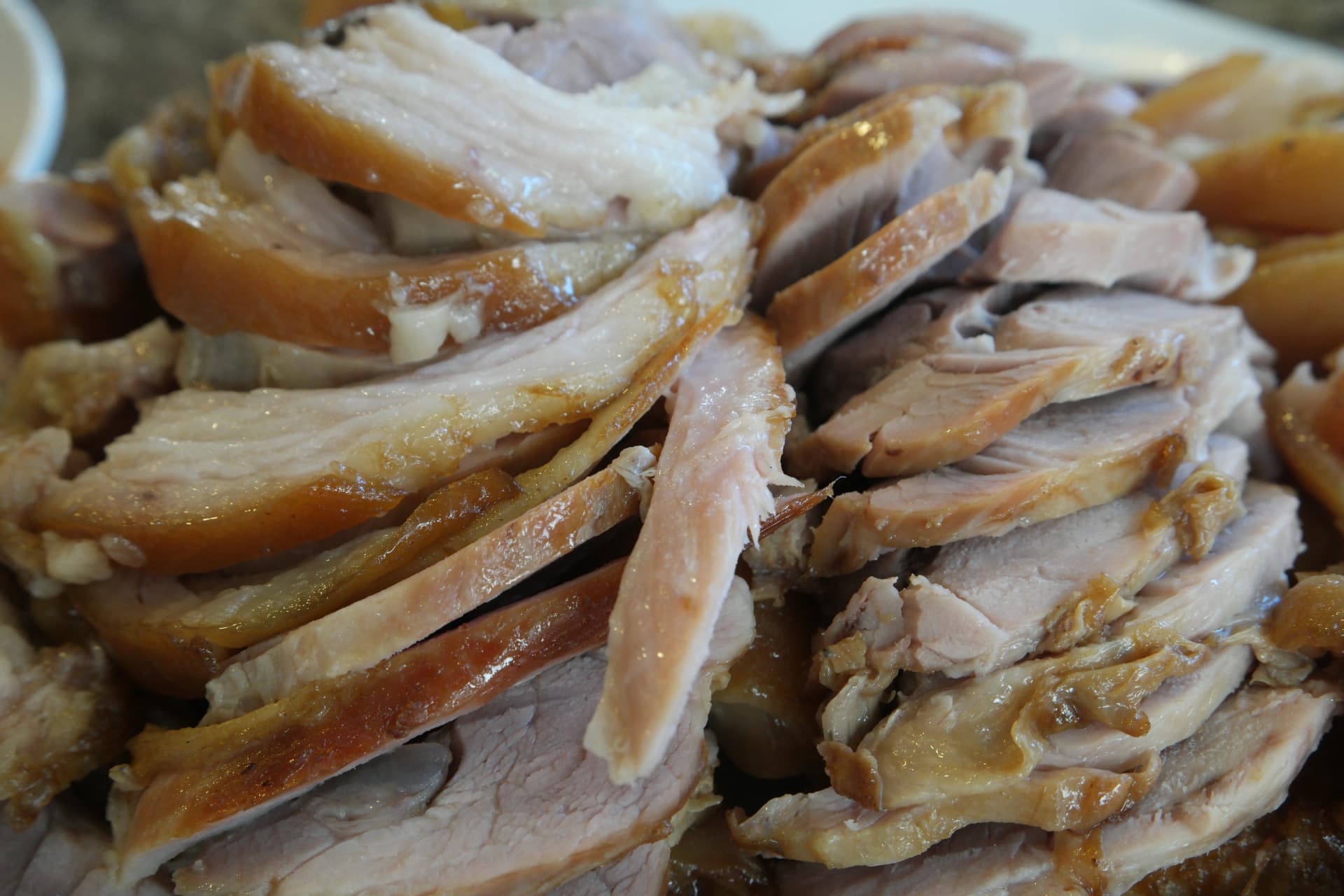
Finely Sliced Section
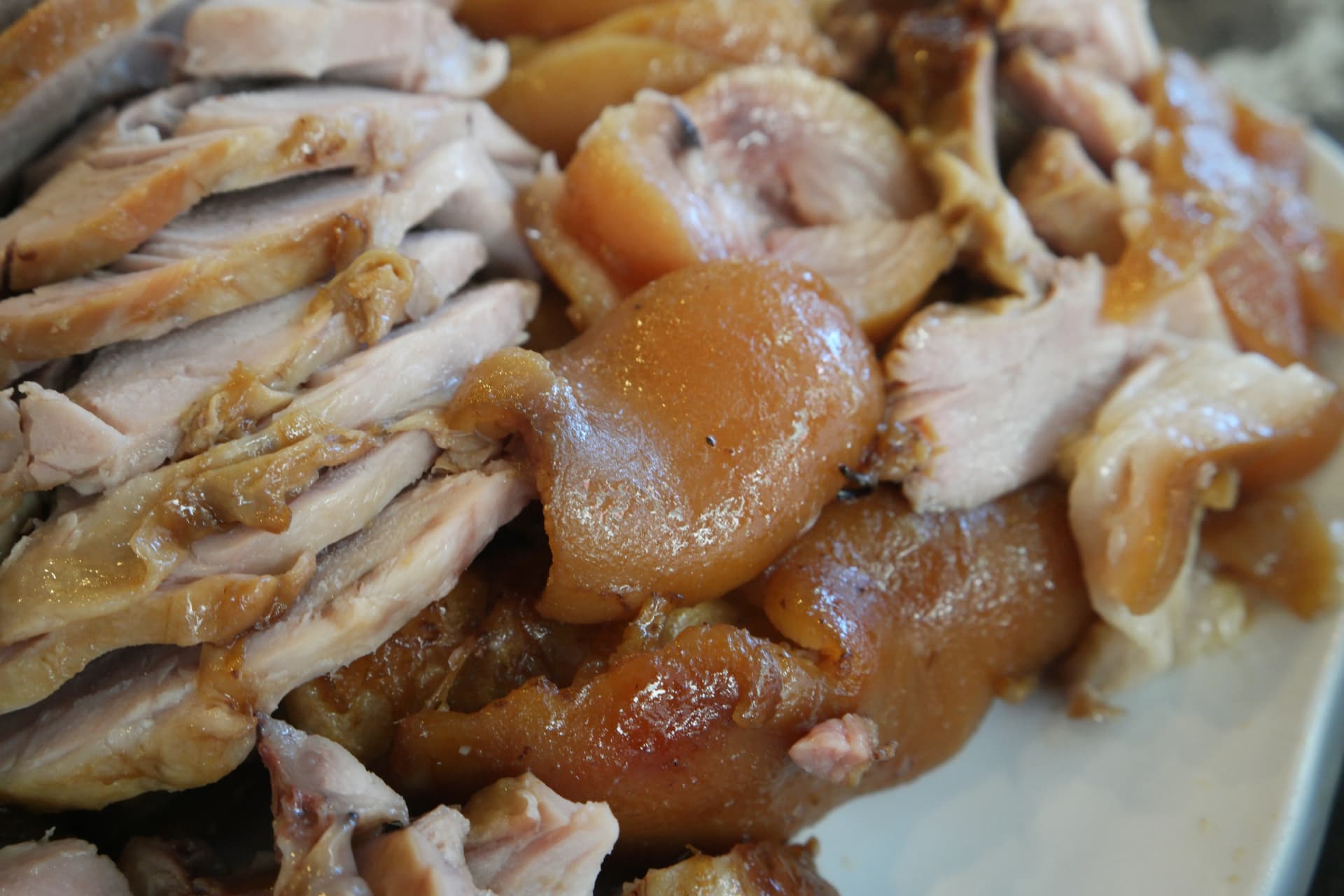
Chewy Collagen Skin
🌶️ Spicy Jokbal (Bul-Jokbal) Gallery
SPICY JOKBAL GALLERY
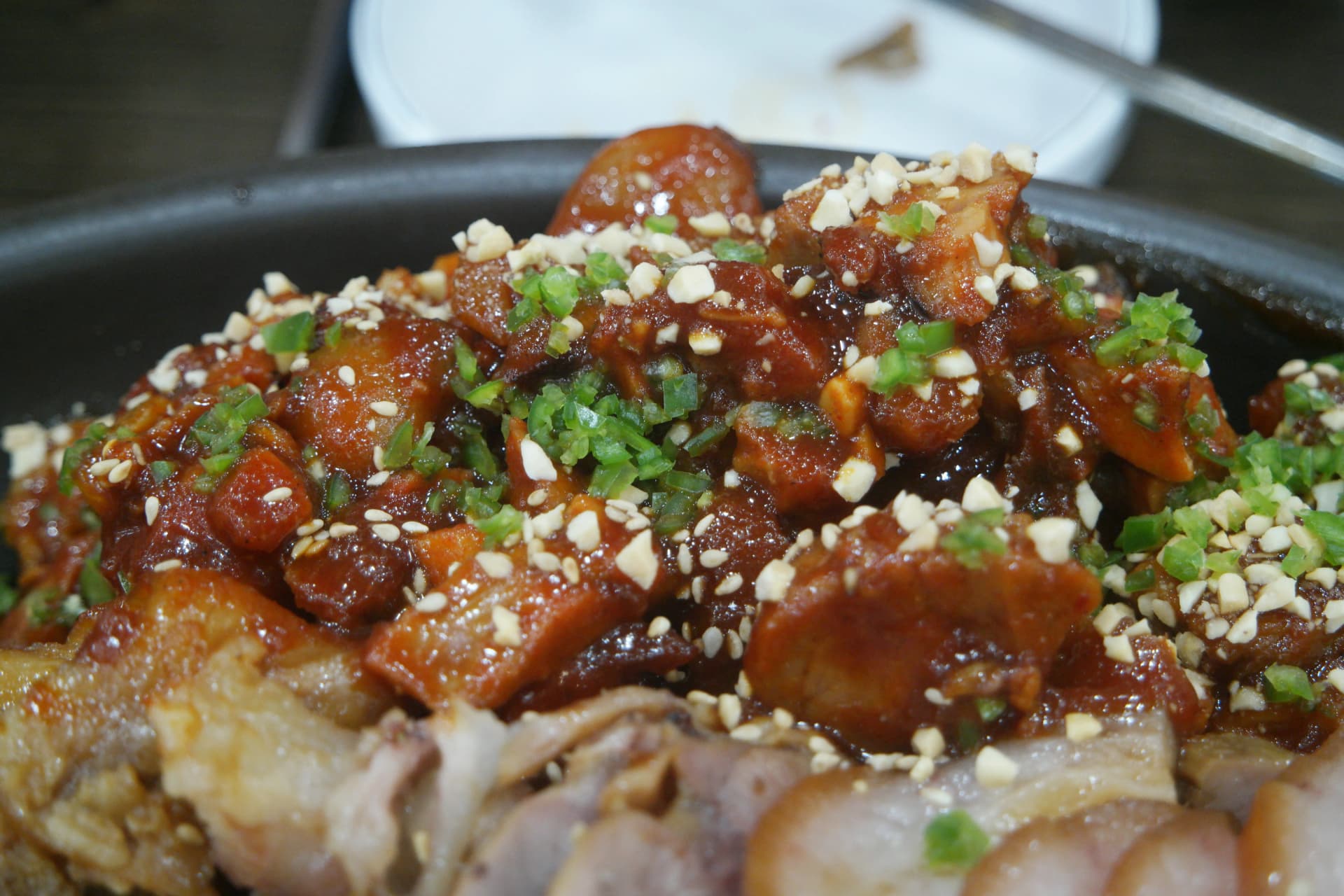
🌶️ Spicy Jokbal (Bul-Jokbal)
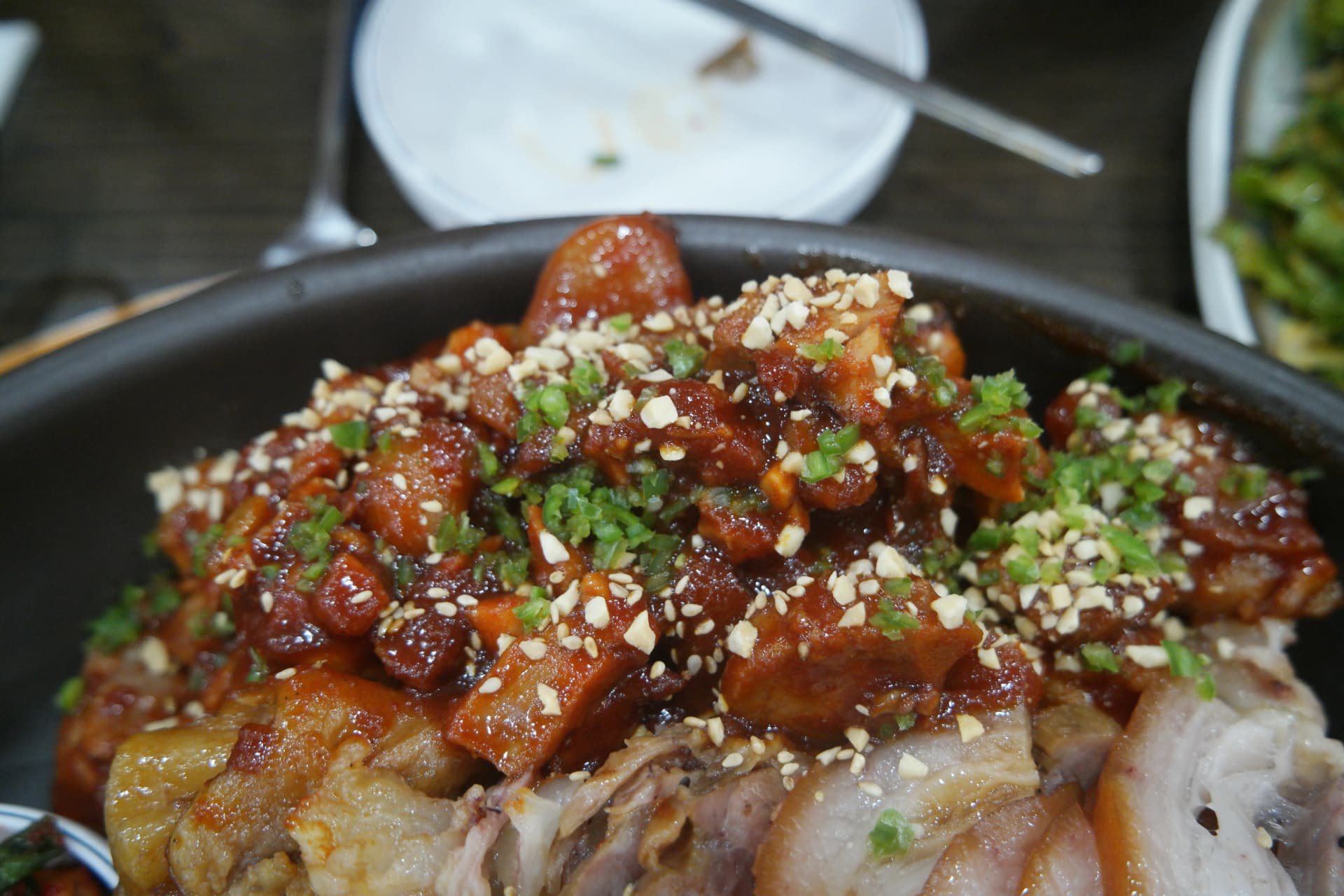
Full Platter
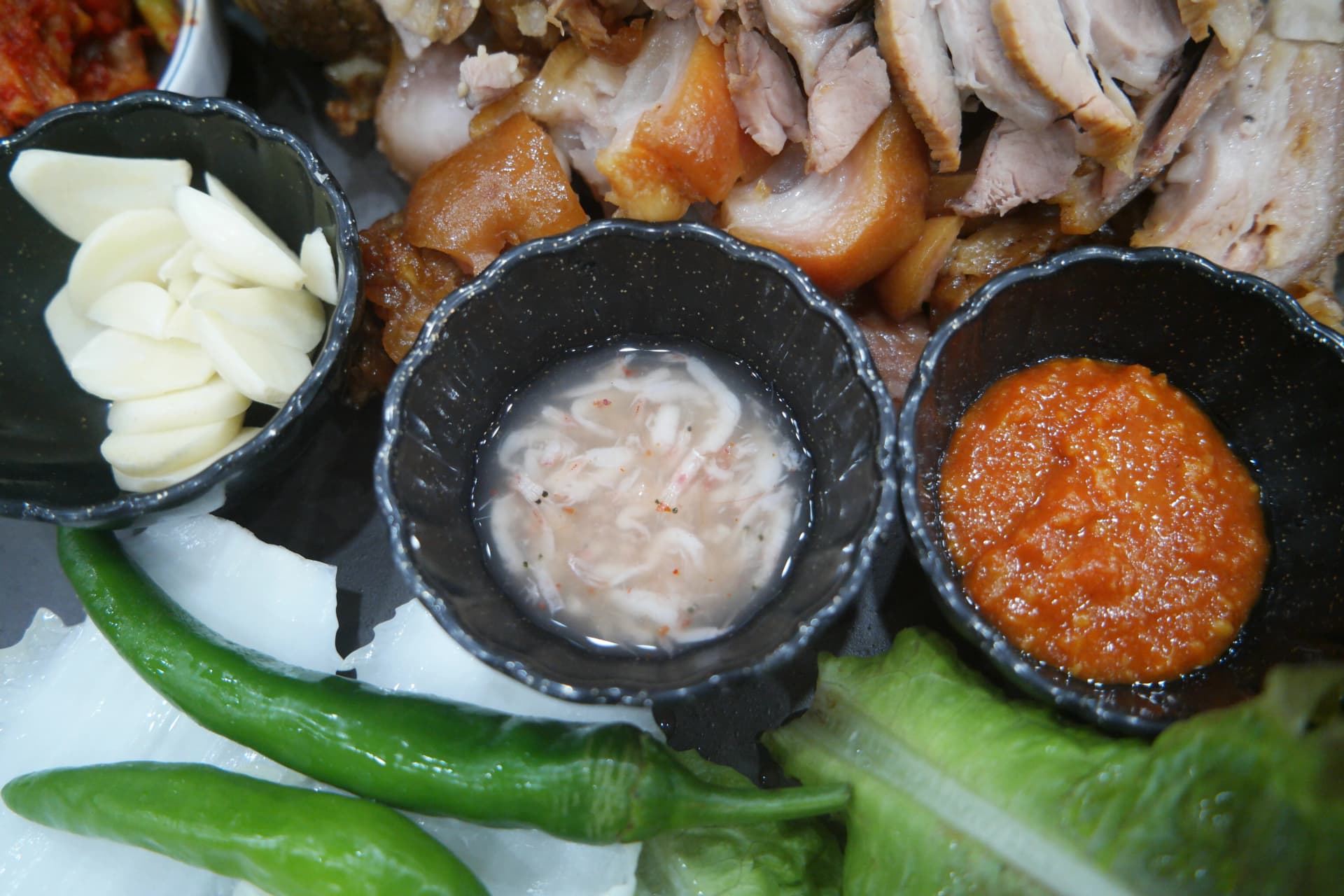
Saeujeot & Ssamjang
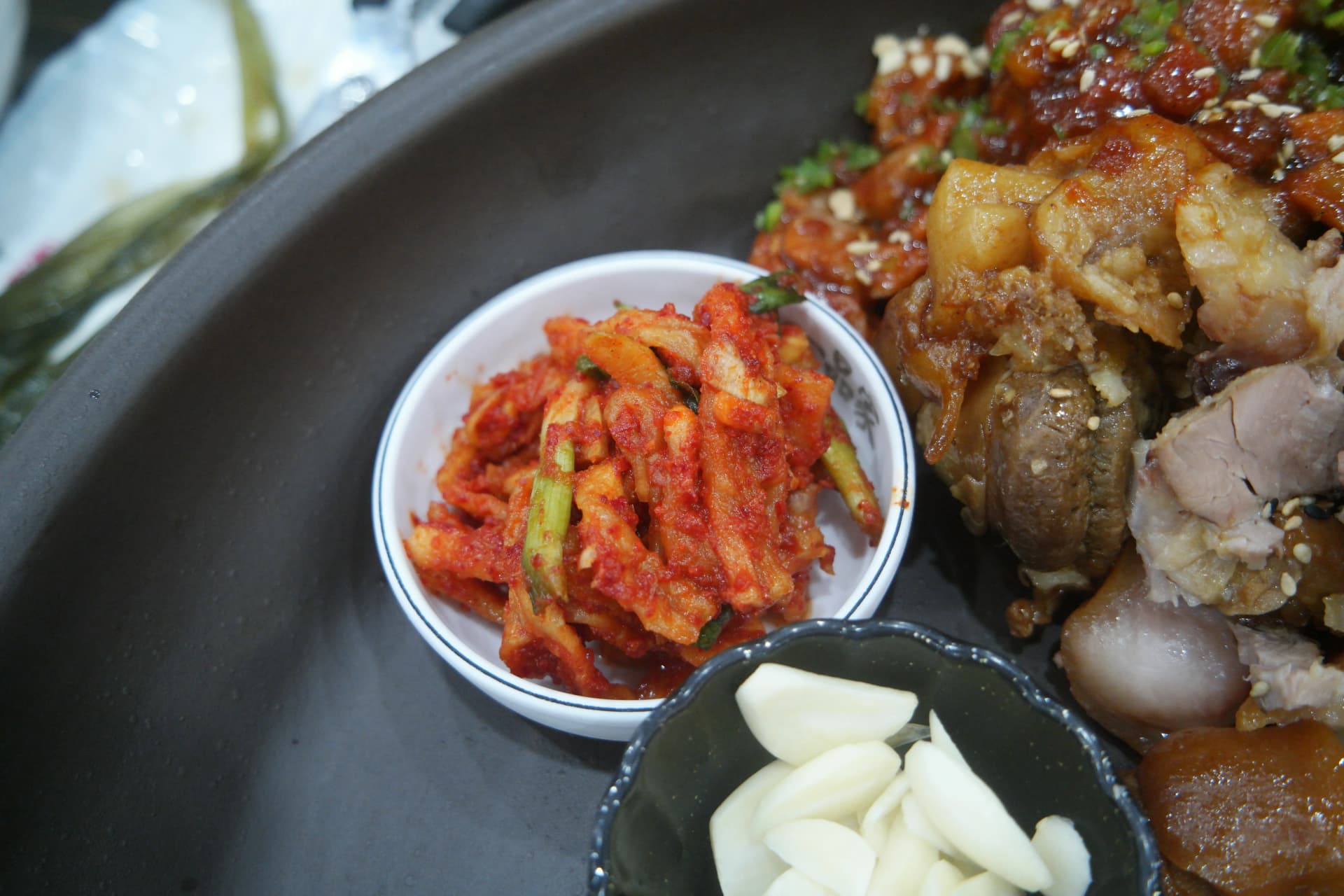
Kimchi & Garlic
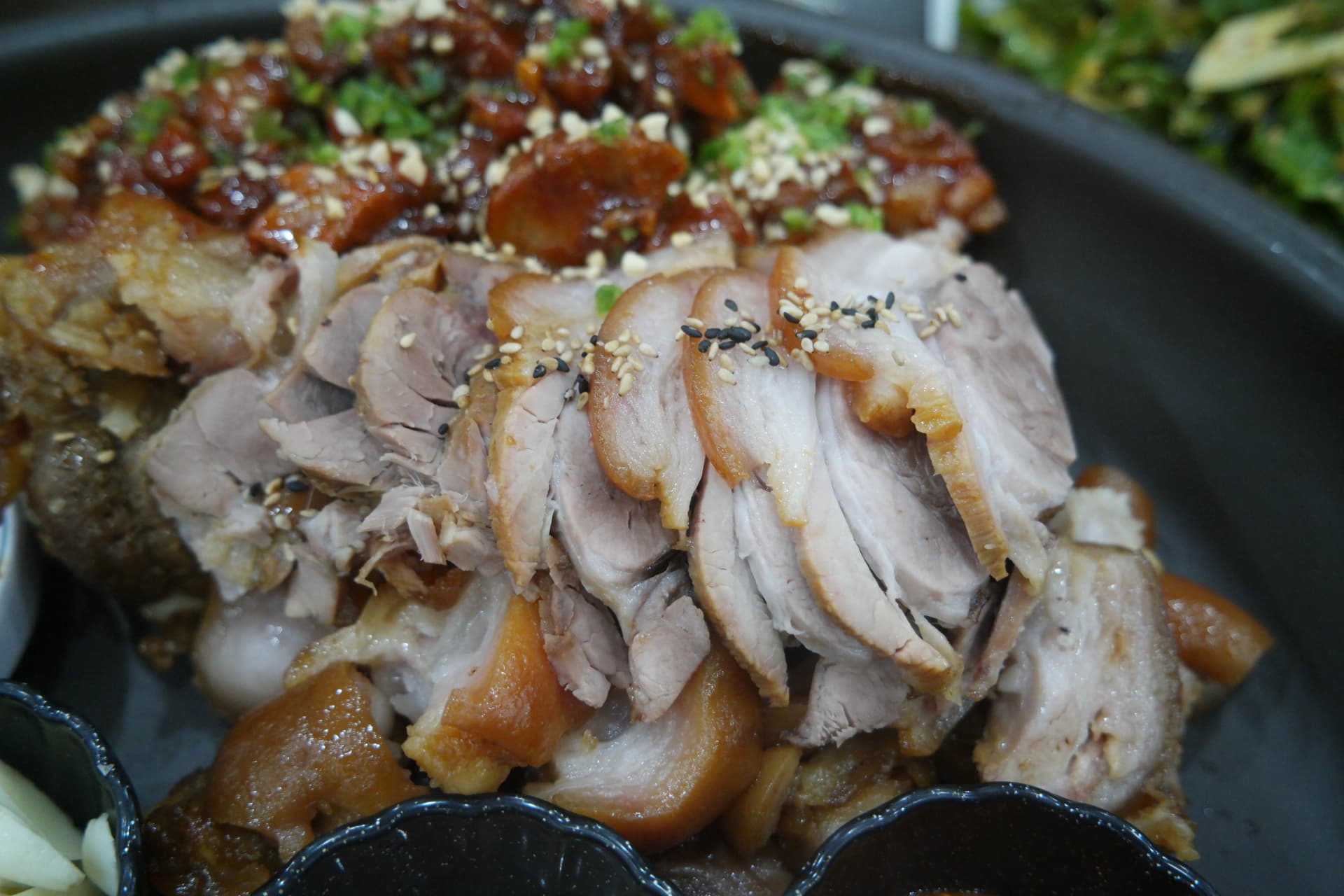
Half & Half
This post was originally published on https://hi-jsb.blog.